



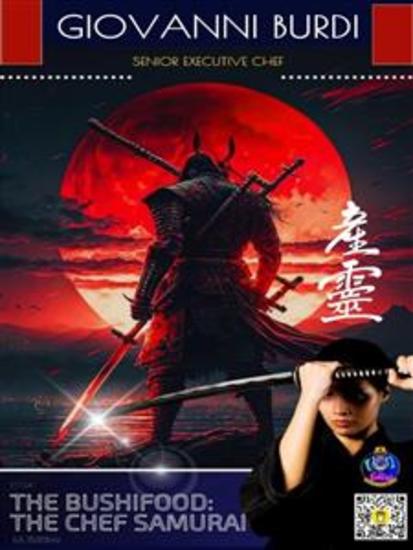
The BushiFood: the Chef Samurai - A Journey of Passion and Discipline in the Kitchen
Giovanni Burdi
Publisher: Youcanprint
Summary
But what does "Ethics in the Kitchen... The Path of Integrity" mean? In the culinary world, ethics is fundamental. Chefs must be conscious of the origin of their ingredients, sustainable farming practices, and respect for animals. Culinary integrity also implies a deep connection with food, understanding culinary traditions, and respect for authentic flavors. Only through integrity and ethics can chefs create extraordinary and lasting culinary experiences. "The Path of Integrity" represents a journey of awareness and personal search for chefs. It means being true to oneself, one's culinary vision, and one's passion for food. It's an invitation to explore new paths, embrace creativity, and go beyond conventional boundaries. By following this path, chefs can achieve culinary excellence and leave an indelible mark in the industry. This chapter is dedicated to all food lovers, culinary enthusiasts, chefs, and restaurateurs who wish to discover "The Bushifood: The Chef Samurai, Ethics in Kitchen... The Path of Integrity". Through the pages of this book, we'll explore the secrets of this unique culinary philosophy, the principles guiding it, and the benefits it can bring to your cooking and your life. Prepare to embark on an exciting journey, discovering the true meaning of Bushifood and how you can apply this philosophy to your cooking. Are you ready to become true samurai chefs, guided by passion, discipline, and integrity? Light up the stoves and get ready to experience cooking in a new and inspiring way. In summary, "Il Buscifood: Lo Chef Samurai - Un Percorso di Passione e Disciplina nella Cucina" is more than a cookbook; it's a guide to a refined and ethical approach to cooking. It's an invitation to journey through taste, uncovering new culinary horizons and embracing a healthy, sustainable lifestyle. Becoming a Senior Executive Chef was a turning point in my life. It's a role that demands not only culinary expertise but also leadership, creativity, and a deep understanding of the ever-evolving world of gastronomy. Over the years, I've learned that being a chef is more than just cooking; it's about storytelling, creating experiences, and bringing joy through food. Each dish I create is a reflection of my journey – the flavors, the techniques, and the presentation are all influenced by the places I've been and the people I've met. I've had the privilege of working with some of the most talented chefs and have been inspired by diverse culinary traditions from around the world. Yet, despite my achievements and the accolades, I feel like my journey in the world of food is far from over. There's always a new technique to master, a new flavor to explore, and a new challenge to overcome. The culinary world is vast and ever-changing, and I am eager to continue learning, growing, and pushing the boundaries of what's possible in the kitchen. As I look to the future, my goal is to not only create exceptional dishes but also to mentor the next generation of chefs. I want to pass on the knowledge and passion that have been the cornerstone of my career. My journey as a Senior Executive Chef is a testament to the power of hard work, dedication, and a never-ending thirst for culinary excellence. And so, the journey continues, with each new day bringing a fresh set of challenges and opportunities to innovate and inspire. Embracing the essence of my culinary journey, I have encapsulated my experiences, philosophies, and skills into what I call the "Code of Bushifood," drawing inspiration from the disciplined and honorable path of the samurai. This code reflects my approach as a chef, combining the artistry of cooking with the principles of a warrior's discipline and integrity. The "Code of Bushifood" embodies several key tenets: Discipline and Precision: Just as a samurai masters their swordsmanship, a chef must master the culinary arts with unwavering discipline and precision. Every cut, every flavor, and every presentation must be executed with meticulous attention to detail. Respect for Ingredients: Akin to a samurai's respect for their weapon and armor, a chef must show deep respect for the ingredients used. This involves understanding their origins, recognizing their qualities, and utilizing them in a way that honors their true nature. Continuous Learning: The journey of a samurai is one of lifelong learning and improvement. Similarly, as a chef, I believe in constantly evolving my skills, experimenting with new techniques, and staying abreast of culinary trends and innovations. Leadership and Mentorship: Just as samurais lead with honor, a Senior Executive Chef should lead their team with integrity, inspiring and mentoring young chefs, and fostering a kitchen environment of respect, teamwork, and passion for the culinary arts. Creativity and Innovation: The way of the samurai is not just about following tradition but also about adapting to changing circumstances. In the kitchen, this translates to being creative, experimenting with new ideas, and pushing the boundaries of traditional cooking. Service and Excellence: Lastly, the samurai's dedication to their lord and people is mirrored in a chef's commitment to their guests. Providing exceptional service and striving for culinary excellence are paramount, ensuring that every dish not only satisfies but also delights and surprises. The "Code of Bushifood" is more than just a set of guidelines; it is a philosophy that infuses every aspect of my work as a Senior Executive Chef. It represents a fusion of culinary artistry and the noble spirit of the samurai, driving me to achieve greater heights in the world of gastronomy.
Available since: 03/11/2024.
Print length: 122 pages.




