Join us on a literary world trip!
Add this book to bookshelf
Grey
Write a new comment Default profile 50px
Grey
Subscribe to read the full book or read the first pages for free!
All characters reduced
Meme Evolution - cover

Meme Evolution

Michael Davies

Translator A AI

Publisher: Publifye

  • 0
  • 0
  • 0

Summary

Meme Evolution explores the transformation of internet memes from simple jokes to potent forces shaping culture and political discourse. This book offers a comprehensive analysis of meme culture, examining its origins, spread, and societal impact in the digital age. Memes function as agents of cultural transmission, reflecting and shaping our collective consciousness. The book argues that memes are powerful units of cultural information, not merely fleeting internet fads. It highlights the historical rise of the internet and social media, providing context for understanding how information now flows online.

 
The book progresses through key topics, including the evolution of memes from early internet forums to global social media platforms, the semiotic mechanisms underlying their virality, and their use in political mobilization. By examining case studies, Meme Evolution traces the spread and transformation of specific memes across different online communities. It also analyzes the role of memes in contemporary politics, exploring how they frame political issues, mobilize voters, and challenge power structures. This analysis relies on qualitative and quantitative research methods, including discourse analysis and network analysis.

 
A unique aspect of this book is its focus on the ethical dimensions of meme culture, exploring the potential for memes to spread misinformation and manipulate public opinion. It concludes by discussing the ethical implications of meme warfare and offering strategies for responsible meme creation and consumption. This makes Meme Evolution valuable to anyone interested in understanding the power and influence of memes in the digital age.
Available since: 03/29/2025.
Print length: 74 pages.

Other books that might interest you

  • Speed Reading Secrets - Techniques to Read Faster and Retain More - cover

    Speed Reading Secrets -...

    Lucas Adams

    • 0
    • 0
    • 0
     "Speed Reading Secrets: Techniques to Read Faster and Retain More" is a thorough manual whose useful tactics will improve comprehension and change readers' habits. This book exposes readers to a range of tried-and-true methods for quickening reading while preserving or even enhancing comprehension. 
    The book dispels myths and misconceptions surrounding the practice of speed reading by first exploring the underlying foundations of the activity. It highlights the value of active reading techniques like chunking, skimming, and scanning that allow readers to quickly consume vast amounts of material without sacrificing comprehension. The methods are backed by discoveries on cognitive processes, which clarify how, when information is addressed strategically, the brain processes and retains it more efficiently. 
    Readers will find useful exercises and advice to improve their speed reading throughout the chapters. In-depth discussions of strategies, including technological integration, annotation, and visualization, give readers a variety of tools to improve their reading experiences. Additionally, the book discusses typical problems like regression and offers solutions to ensure that reading efficiency keeps getting better. 
    "Speed Reading Secrets" stresses the value of understanding and retention in addition to speed. Through the incorporation of these strategies into their regular reading routines, readers can establish enduring habits that facilitate their academic achievements, career advancement, and personal improvement. This book gives readers the skills they need to read more quickly, remember more information, and work more efficiently—whether they are professionals trying to advance in their careers or students trying to better manage their academic workload
    Show book
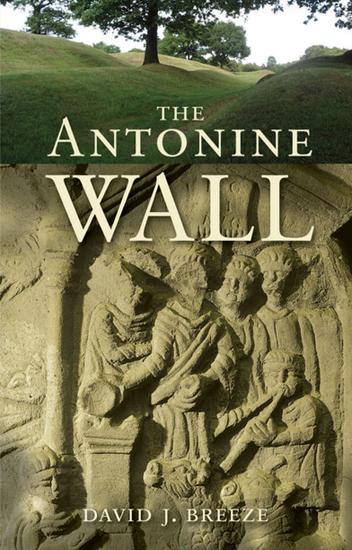
  • The Antonine Wall - cover

    The Antonine Wall

    David J. Breeze

    • 0
    • 0
    • 0
    As the most advanced frontier construction of its time, and as definitive evidence of the Romans' time in Scotland, the Antonine Wall is an invaluable and fascinating part of this country's varied and violent history. For a generation, from about AD 140 to 160, the Antonine Wall was the north-west frontier of the Roman Empire. Constructed by the Roman army, it ran from modern Bo'ness on the Forth to Old Kilpatrick on the Clyde and consisted of a turf rampart fronted by a wide and deep ditch.
    At regular intervals were forts connected by a road, while outside the fort gates clustered civil settlements. Antoninus Pius, whom the wall was named after, reigned longer than any other emperor with the exception of its founder Augustus. Yet relatively little is known about him.
    In this meticulously researched book, David Breeze examines this enigmatic life and the reasons for the construction and abandonment of his Wall.
    Show book
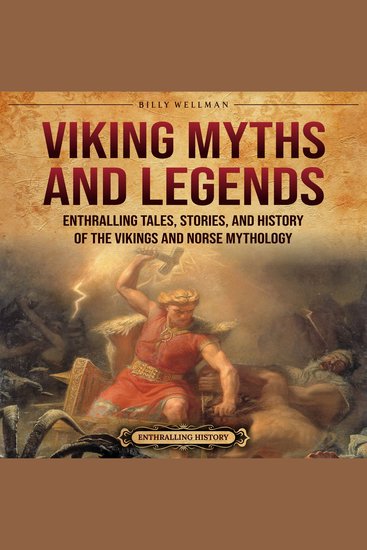
  • Viking Myths and Legends: Enthralling Tales Stories and History of the Vikings and Norse Mythology - cover

    Viking Myths and Legends:...

    Billy Wellman

    • 0
    • 0
    • 0
    Dive into the Mystical World of Viking Myths and Legends! 
    Embark on an epic journey through the rich tapestry of Viking mythology. This audiobook unveils the intricate stories that emerged from the religious beliefs and rituals of the Scandinavian people during the Viking Age. 
    Here’s just a tiny fraction of what you’ll discover:Creation Myths: Learn how an immense ash tree supported nine great realms and how the human world was formed from the body parts of a giant.Gods and Goddesses: Explore the homes, responsibilities, and mortal frailties (greed, lust, pride, and anger) of the Norse deities.Mythical Creatures: Meet elves, dwarves, and monstrous beings that plagued gods and humankind.Medieval Manipulations: Learn how Christian scholars and scribes altered ancient stories to control the narrative.Thor’s Disguise: Find out why the mighty god of thunder impersonated a goddess and nearly married an enemy.The Norns’ Weaving: Understand how these three mysterious beings weave the destinies of gods, humans, and all life.Mjölnir’s Creation: Uncover the story behind Thor’s formidable weapon.Mistletoe’s Role: See how a humble sprig of mistletoe triggered the beginning of the end of the world.Gruesome Punishments: Witness the severe punishments meted out by revered gods on their own kind. 
    Don’t miss out on these enthralling stories that reveal the essence of Viking mythology. Scroll up and click the “add to cart” button to get your copy now! Immerse yourself in the legendary world of the Vikings!
    Show book
  • Three Essays on Religion - cover

    Three Essays on Religion

    John Stuart Mill

    • 0
    • 0
    • 0
    The Three Essays on Religion were written at different times during Mill's life, and only published after his death. The first two, 'Nature' and 'The Utility of Religion' date from the 1850s - the period between the publication of 'The Principles of Political Economy' and 'On Liberty'. The third longer essay, 'Theism' was written between 1868 and 1870. The three essays were published posthumously in 1874. (Summary by Justin Brett)
    Show book
  • Celtic Scotland - cover

    Celtic Scotland

    Ian Armit

    • 0
    • 0
    • 0
    This authoritative and handsomely illustrated book is aimed at the general reader who wants to know about the mysterious people who inhabited Scotland from the Bronze Age onwards. They created wonderful works of art in gold and silver and their brochs and hillforts are scattered over the Scottish landscape. Many modern-day Scots are descended from them.
    Using the results of modern archaeology and historical sources, Ian Armit answers the key questions about who the Celts were, wherethey came from, their relationship with other Celtic tribes throughout Europe, their customs and beliefs and their daily life. It is a fascinating story told with flair and clarity by one of Britain's leading experts on the Celts.
    Show book
  • Soviet Union - cover

    Soviet Union

    Kelly Mass

    • 0
    • 0
    • 0
    From 1922 till 1991, the Soviet Union, officially the Union of Soviet Socialist Republics (USSR), was a socialist state that covered Europe and Asia. It was in theory a federal union of different sovereign republics; but, till its closing years, its administration and economy were highly centralized.The Bolsheviks, led by Vladimir Lenin, ousted the Provisional Federal government that had formerly toppled the Russian Empire's Romanov family in the October Revolution of 1917, bring to life the Soviet Union. They established the Russian Soviet Republic, the world's first socialist state with a constitution. Stress between the Bolshevik Red Army and some anti-Bolshevik forces across the previous Empire emerged into a civil war, with the White Guard being the most effective faction. The White Horror was a period of violent anti-communist repression by the White Defend Against the Bolsheviks and believed worker and peasant Bolsheviks. Through Red Horror, the Red Army extended and helped regional Bolsheviks in acquiring power, building soviets, and penalizing political challengers and defiant peasants. By 1922, the power balance had moved, and the Bolsheviks had thrived, unifying the Russian, Transcaucasian, Ukrainian, and Byelorussian republics to form the Soviet Union. After the civil war ended, Lenin's administration carried out The New Economic Policy, which led to a partial return of the free enterprise and personal property, and also a period of financial healing.Joseph Stalin rose to power after Lenin's death in the year 1924. Within the Communist Party, Stalin got rid of any political resistance to his rule and developed a command economy. As a consequence, the nation went through a period of quick industrialization and pushed collectivization, which led to great financial development but also a manufactured starvation in the year 1932-- 1933 and the growth of the Gulag labor camp system.
    Show book