
Join us on a literary world trip!
Add this book to bookshelf
Grey
Write a new comment Default profile 50px
Grey
Subscribe to read the full book or read the first pages for free!
All characters reduced
Time Regained - cover

Time Regained

Marcel Proust

Publisher: Truesign Publisher

  • 0
  • 0
  • 0

Summary

"Time Regained" is the final volume of Marcel Proust's monumental seven-part novel, "In Search of Lost Time" (À la recherche du temps perdu), also known as "Remembrance of Things Past." Published posthumously in 1927, it concludes the intricate narrative that spans over 4,000 pages. In this volume, the narrator reflects on his life and memories, offering profound insights into human experience, memory, and the passage of time. Set against the backdrop of World War I and its aftermath, the novel delves into themes of love, art, society, and the fleeting nature of existence. Through a series of introspective recollections and encounters with old acquaintances, the narrator seeks to reconcile the fragments of his past and find meaning in the passage of time. "Time Regained" serves as a poignant and introspective exploration of memory, identity, and the transformative power of art, solidifying Proust's reputation as one of the greatest literary figures of the 20th century.
Available since: 11/10/2024.
Print length: 481 pages.
Other books that might interest you

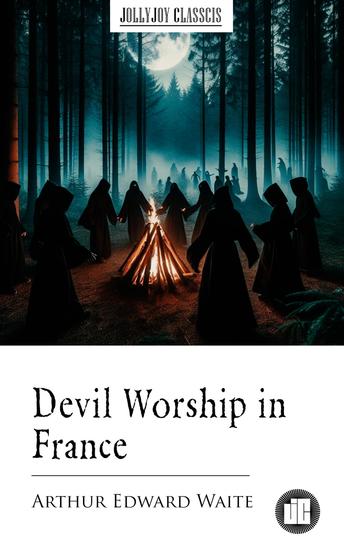
  • Devil Worship in France - cover

    Devil Worship in France

    Arthur Edward Waite

    • 0
    • 0
    • 0
    Devil Worship in France: Or The Question of Lucifer"" is a book written by Arthur Edward Waite in 1896. The book is an investigative study of the alleged practices of devil worship and black magic in France during the late 19th century. Waite explores the history and origins of Luciferianism, the beliefs and practices of various occult groups, and the connection between these groups and the infamous ""Satanic Panic"" that swept through Europe at the time. The book provides an indepth look at the rituals, symbols, and beliefs associated with devil worship, and examines the social and cultural factors that contributed to its rise in popularity. Waite's work is considered a seminal text in the study of occultism and has been the subject of much debate and controversy over the years.A Record Of Things Seen And Heard In The Secret Societies According To The Evidence Of Initiates.This scarce antiquarian book is a facsimile reprint of the old original and may contain some imperfections such as library marks and notations.
    Show book
  • The Importance of Being Earnest - First Draft - cover

    The Importance of Being Earnest...

    Oscar Wilde

    • 0
    • 0
    • 0
    "The Importance of Being Earnest" is a comedic play written by Oscar Wilde, first performed in 1895. Regarded as one of Wilde's masterpieces, the play is celebrated for its wit, humor, and satirical examination of the social conventions and manners of the Victorian era. The plot revolves around the lives of two friends, Algernon Moncrieff and Jack Worthing. To escape social obligations and responsibilities, both men create fictional identities. Algernon invents an imaginary friend named "Bunbury," whom he uses as an excuse to avoid unwelcome social events. On the other hand, Jack assumes the identity of "Ernest" whenever he wishes to engage in more adventurous and carefree pursuits in the city.The central conflict arises when both Algernon and Jack become romantically involved with women who are attracted to the name "Ernest." Gwendolen Fairfax, Jack's love interest, is enamored with the idea of marrying a man named Ernest, while Algernon's romantic pursuit, Cecily Cardew, shares the same sentiment. The play cleverly exploits the comedic potential of mistaken identities, love affairs, and the absurdity of social expectations. Wilde's razor-sharp wit is evident in the dialogue, filled with epigrams, puns, and clever wordplay. The characters engage in delightful banter, and the play satirizes the trivialities of upper-class society while highlighting the importance placed on appearances and social status. "The Importance of Being Earnest" is known for its comedic absurdity, intricate plot twists, and exploration of the theme of identity. Beyond the surface-level humor, Wilde uses the play to critique the hypocrisy and artificiality of societal norms, exposing the ridiculousness of the characters' obsessions with names and titles.
    Show book
  • The Night Land - cover

    The Night Land

    William Hope Hodgson

    • 0
    • 0
    • 0
    The Night Land is a horror/fantasy novel by William Hope Hodgson, published in 1912. The book is set in a far future where the sun has gone out and the last remnants of humanity are living in a giant pyramid-shaped refuge known as the Last Redoubt. The protagonist of the novel, known only as the watcher, falls in love with a woman in his dreams and sets out on a perilous journey across the Night Land, a dark and dangerous world inhabited by monstrous creatures and ancient forces beyond comprehension, in search of his beloved. The novel is known for its vivid and imaginative descriptions of an otherworldly landscape and the strange beings that inhabit it, as well as its lyrical prose and haunting atmosphere.
    Show book
  • A Political Romance - cover

    A Political Romance

    Laurence Sterne

    • 0
    • 0
    • 0
    "A Political Romance" is an early satirical work by Laurence Sterne, better known for his later novel "Tristram Shandy." This lesser-known work, written in 1759, marks Sterne's debut in the world of literature. It's a satirical take on a local ecclesiastical dispute in York, England, where Sterne was a clergyman. The narrative, though brief, is rich in the wit and playful language that would later define Sterne's style. It targets the political machinations and absurdities within the church hierarchy, using humor and irony to critique the corruption and pettiness he perceived among his clerical colleagues. "A Political Romance" was considered controversial and somewhat scandalous at the time of its release due to its bold criticism of influential church figures. This led to the book being officially censored and copies were publicly burned. Despite its initial contentious reception, the work is now recognized as an important precursor to Sterne's more famous writings and a significant satirical piece in its own right.
    Show book
  • Benedictus Figulus - cover

    Benedictus Figulus

    Benedictus Figulus

    • 0
    • 0
    • 0
    Delve into the mystical world of alchemy with works by Benedictus Figulus. As an important figure in the late Renaissance alchemy movement, Figulus brings together philosophical, spiritual, and practical perspectives on the ancient art of transformation. Discover a treasure trove of wisdom and insight that transcends the realm of the physical and explores the depths of the human spirit. Expand your consciousness with the profound works of Benedictus Figulus. Embark on a spiritual journey today with this remarkable collection.
    Show book
  • The Post Office - cover

    The Post Office

    Rabindranath Tagore

    • 0
    • 0
    • 0
    The Post Office is a 1912 play by Rabindranath Tagore. Rabindranath Tagore was the first non-European writer to win the renowned Nobel Prize in literature. Today, he continues to be one of the most important and influential voices in World literature. The play revolves around the life of a child, Amal who is confined to his adoptive uncle's home by an incurable disease. The construction of a new post office nearby prompts the imaginative Amal to fantasize about receiving a letter from the King or being his postman. The village headman mocks Amal, and pretends the illiterate child has received a letter from the king promising that his royal physician will come to attend him. Will the physician arrive? Is Amal going to keep waiting? Read this beautiful heart-warming piece and find out for yourself.
    Show book