


Now It Can Be Told
Gibbs Philip
Casa editrice: Author
Sinossi
Author Gibbs, Philip, 1877-1962
Title Now It Can Be Told
Language English
Disponibile da: 21/03/2022.

Casa editrice: Author
Author Gibbs, Philip, 1877-1962 Title Now It Can Be Told Language English
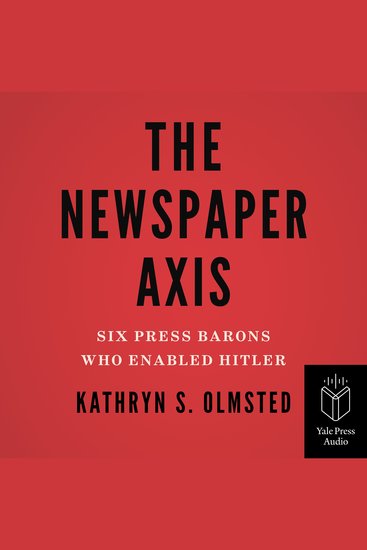
How six conservative media moguls hindered America and Britain from entering World War II
How six conservative media moguls hindered America and Britain from entering World War II


“A landmark in the political history of journalism.”—Michael Kazin, author of What It Took to Win: A History of the Democratic Party


As World War II approached, the six most powerful media moguls in America and Britain tried to pressure their countries to ignore the fascist threat. The media empires of Robert McCormick, Joseph and Eleanor Patterson, and William Randolph Hearst spanned the United States, reaching tens of millions of Americans in print and over the airwaves with their isolationist views. Meanwhile in England, Lord Rothermere’s Daily Mail extolled Hitler’s leadership and Lord Beaverbrook’s Daily Express insisted that Britain had no interest in defending Hitler’s victims on the continent.


Kathryn S. Olmsted shows how these media titans worked in concert—including sharing editorial pieces and coordinating their responses to events—to influence public opinion in a right-wing populist direction, how they echoed fascist and anti‑Semitic propaganda, and how they weakened and delayed both Britain’s and America’s response to Nazi aggression.
Mostra libro
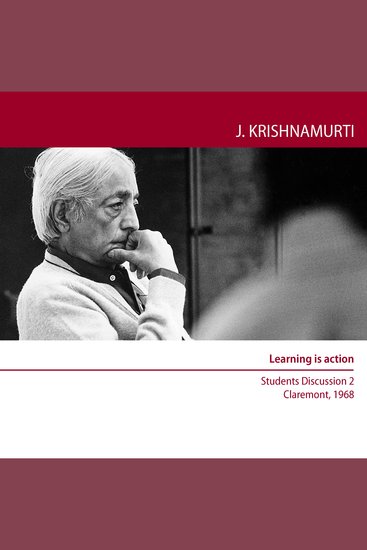
Learning is action - 12 November 1968
• Our education is concerned with the accumulation of knowledge.Very few of us are capable of living a life without the influence of specialists.
• What is the point of going to a university, getting a degree and disappearing into the vast structure of society?
• Q: How shall we approach the idea of study?
• If you express from something already accumulated it is a deadly bore, but if
you are all the time watching, not only yourself but the world, you are learning.
• Q: You say that a mantra is an escape. Do you think that people use drugs as an escape or because they want to become closer?
• When I observe myself I cannot learn if I condemn what I find.
• We observe through our imagination, through our image, through our knowledge.
Mostra libro
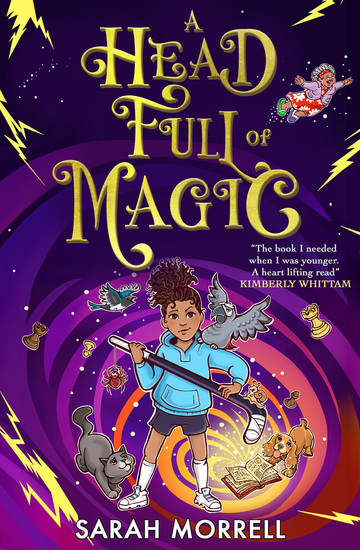
Fleur is used to balancing her two different cultures from her English Mum to her West Indian Nan but when she discovers that she can talk to animals she finds herself in a whole new world! Can her new powers help her take down Celeste 'The Best' the hockey-loving, ankle-smashing new girl, once and for all?Mostra libro
Embarking on a successful career journey requires more than just luck or happenstance; it demands thoughtful planning, strategic decision-making, and a solid understanding of the professional landscape. In Career Development and Job Searching, we present a comprehensive manual tailored to the specific needs and nuances of the job market. Drawing on years of experience and expertise, this guide is meticulously crafted to equip individuals with the skills, knowledge, and confidence needed to thrive in their chosen fields.
Each chapter delves into critical aspects of career development, providing practical advice on building a brief account of your education, qualifications, and previous experience, which is typically sent with a job application (a résumé or CV), interview techniques, and workplace etiquette. We address the art of networking and demonstrate how to leverage it for personal and professional growth. Moreover, for those with an entrepreneurial spirit, we offer invaluable insights into starting and sustaining a successful business.
Whether you`re a recent school-leaver, a postgraduate eager to take your first steps into the professional world, or a seasoned worker seeking to advance your career, Career Development and Job Searching offers a comprehensive roadmap to guide you towards success. With a keen focus on the job market, this manual is your trusted companion on the path to a rewarding and prosperous career. Get ready to unlock doors of opportunity and set forth on a journey of professional achievement.
Mostra libro
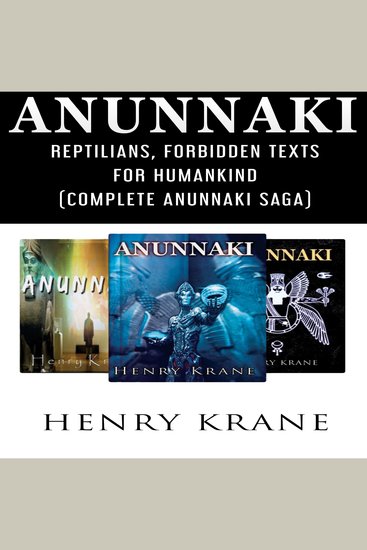
The true origin of manking told in one book...
Everything has been said about the Anunnaki, and to understand their influence on human history, it is important to explore the various theories, stories, and, above all, the myths inscribed on Sumerian tablets and the sacred scriptures of ancient civilizations around the world.
This book contains everything a curious reader needs to know about the history of the Anunnaki. Within its pages, the reader will find three works that blend fiction and reality to unveil the mystery of these Anunnaki beings.
Henry Krane, a writer who has dedicated his life to deciphering the Sumerian tablets and crafting a science fiction narrative about the Anunnaki, knows exactly what he is talking about.
Many readers around the world admire his books on the Anunnaki and appreciate the precise way in which he has helped them awaken...
Every human being who finishes reading this book will gain unique knowledge, embark on a new awakening, and begin to break free from the Matrix in which we all find ourselves...
Mostra libro
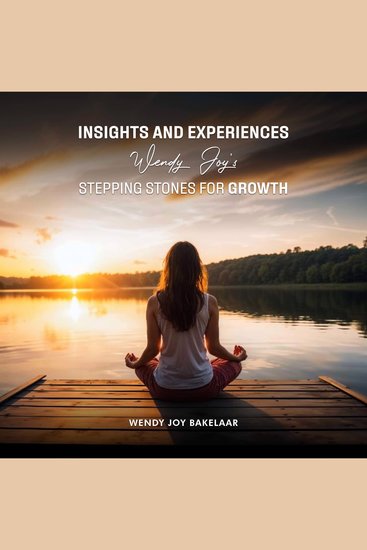
"Wendy Joy’s" is a deeply personal and inspiring memoir that follows Wendy Joy Bakelaar journey of self-discovery, healing, and spiritual awakening. Through her candid and heartfelt storytelling, Wendy takes readers on a captivating exploration of life's challenges, triumphs, and the thoughtful lessons learned along the way. From facing adversity in her childhood to navigating the complexities of her adult life, Wendy reveals how she overcame obstacles and embraced her true self. She explores the power of spirituality, intuition, and the interconnectedness of all beings, offering a message of hope and resilience. The author’s journey is a testament to the transformative power of forgiveness, self-love, and the firm belief in a higher purpose. She encourages readers to embrace their own unique paths, find strength in their inner wisdom, and trust in the divine guidance that leads us all toward our highest potential. "Wendy Joy" is a compelling read for anyone seeking inspiration, guidance, and a deeper understanding of their spiritual journey. It's a reminder that even in the midst of life's challenges, we have the power to heal, grow, and create a life filled with purpose and meaning. This book serves as a guiding light, offering support and direction to those on their own spiritual paths.Mostra libro





