Join us on a literary world trip!
Add this book to bookshelf
Grey
Write a new comment Default profile 50px
Grey
Subscribe to read the full book or read the first pages for free!
All characters reduced
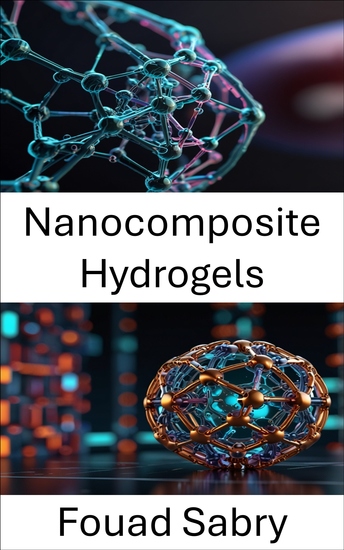
Nanocomposite Hydrogels - Advances in Drug Delivery and Tissue Engineering Applications - cover

Nanocomposite Hydrogels - Advances in Drug Delivery and Tissue Engineering Applications

Fouad Sabry

Publisher: One Billion Knowledgeable

  • 0
  • 0
  • 0

Summary

Nanocomposite hydrogels-This chapter introduces the concept of nanocomposite hydrogels and their role in drug delivery, highlighting their multifunctional properties and potential for medical applications
 
Ultrasoundtriggered drug delivery using stimuliresponsive hydrogels-Explore how ultrasound can activate drug delivery systems, allowing for precise control over the release of drugs from stimuliresponsive hydrogels
 
Nanotechnology-This chapter covers the fundamentals of nanotechnology and its integration with hydrogels, focusing on the engineering of nanomaterials to improve drug delivery systems
 
Nanocomposite-Delve into the synthesis and properties of nanocomposites, focusing on their ability to enhance the mechanical and biological properties of hydrogels in biomedical applications
 
Hydrogel-Understand the fundamental principles of hydrogels, including their structure, properties, and diverse applications, particularly in drug delivery and wound healing
 
Nanoparticle drug delivery-Learn about nanoparticle systems used in drug delivery, emphasizing their advantages in targeted and controlled release therapies, a core theme of this book
 
Polymer nanocomposite-Investigate the role of polymer nanocomposites in improving the stability and performance of hydrogels, a crucial aspect for their use in medical fields
 
Hydrogel dressing-This chapter discusses the use of hydrogels in dressing materials, highlighting their role in promoting wound healing through controlled moisture release
 
Dextran drug delivery systems-A focus on dextranbased drug delivery systems, exploring how these polysaccharides can be used to enhance the efficiency of nanoparticle drug delivery
 
Nanomaterials-Delve into the types and properties of nanomaterials used in hydrogels, exploring how they contribute to the development of advanced drug delivery technologies
 
Gel-Understand the nature of gels, particularly in the context of nanocomposite hydrogels, and their crucial role in the design of controlled drug release systems
 
Chitosan-This chapter examines the use of chitosan, a biopolymer, in the development of drug delivery systems, highlighting its biocompatibility and versatility
 
Smart polymer-Learn about smart polymers and their ability to respond to environmental stimuli, playing a significant role in enhancing the functionality of hydrogels
 
Sodium polyacrylate-Explore the role of sodium polyacrylate in the development of hydrogels, focusing on its ability to absorb and retain large amounts of water
 
Selfhealing hydrogels-Investigate selfhealing hydrogels, which are capable of recovering from damage, providing exciting possibilities for biomedical applications
 
Nanofabrics-Explore the emerging field of nanofabrics, their potential applications in drug delivery systems, and their integration with hydrogels
 
Applications of nanotechnology-This chapter covers the broad applications of nanotechnology in medicine, from diagnostics to therapeutic drug delivery, emphasizing its relevance to hydrogels
 
Nanochemistry-Learn about the chemical principles behind nanotechnology and its implications for the design and application of nanocomposite hydrogels
 
Green nanotechnology-Discover the growing importance of green nanotechnology, which aims to make nanocomposites more sustainable and environmentally friendly for medical use
 
Nanomedicine-This chapter focuses on the role of nanomedicine, highlighting how nanocomposite hydrogels play a vital role in the treatment of various diseases through targeted therapies
 
Nanogel-The final chapter discusses nanogels, a type of nanocomposite hydrogel, and their use in drug delivery, tissue engineering, and other medical applications
Available since: 03/11/2025.
Print length: 303 pages.


Other books that might interest you

  • Summary & Analysis - Skyward - Based On The Book By Brandon Sanderson - cover

    Summary & Analysis - Skyward -...

    Golden Books Publishing

    • 0
    • 0
    • 0
    SUMMARY & ANALYSIS 
      
    SKYWARD 
    BASED ON THE BOOK BY BRANDON SANDERSON 
      
    SUMMARY WRITTEN BY: GOLDEN BOOKS PUBLISHING 
      
    CONTENT 
    Introduction to Spensa and Detritus 
    The Legacy of Chaser 
    The Pilots and Their Test 
    The Cavern and the Secret of the Starfighter 
    The Pilot’s Test 
    The Reality of Combat 
    Rising Above 
    The Secret of the Stars 
    The Final Battle 
    General Analysis 
      
    ABOUT THE ORIGINAL BOOK 
    Skyward by Brandon Sanderson follows Spensa, a young girl determined to become a pilot and prove herself worthy of her father’s legacy. Her father was a decorated pilot who was dishonored for fleeing in battle, and Spensa faces constant ridicule as a result. Living on the isolated planet of Detritus, she trains to join the Defiant Defense Force and fight the alien Krell who threaten humanity’s survival. Themes of identity, courage, and the weight of family legacy drive the story, as Spensa must navigate personal struggles, societal pressures, and the brutal realities of war.
    Show book
  • Summary & Analysis - Harry Potter And The Prisoner Of Azkaban - Based On The Book By JK Rowling - cover

    Summary & Analysis - Harry...

    Golden Books Publishing

    • 0
    • 0
    • 0
    SUMMARY & ANALYSIS 
      
    HARRY POTTER AND THE PRISONER OF AZKABAN 
    BASED ON THE BOOK BY J.K. ROWLING 
      
    SUMMARY WRITTEN BY: GOLDEN BOOKS PUBLISHING 
      
    CONTENT 
    A Most Unusual Boy 
    Aunt Marge's Big Mistake 
    The Knight Bus and Sirius Black 
    Hogwarts and the Dementors 
    Divination and Boggarts 
    The Marauder's Map and Hogsmeade 
    The Firebolt and Sirius Black 
    The Truth About Scabbers 
    The Escape of Buckbeak and Sirius 
    General Analysis 
      
    ABOUT THE ORIGINAL BOOK 
    "Harry Potter and the Prisoner of Azkaban" by J.K. Rowling follows Harry's third year at Hogwarts School of Witchcraft and Wizardry, where he confronts the escaped convict Sirius Black, who is believed to be a dangerous murderer and a threat to Harry's life. The story explores themes of betrayal, injustice, and the power of friendship, as Harry grapples with his fears and seeks to understand the truth behind his parents' death. The story emphasizes the importance of resilience and the ability to fight against dark forces. The magical world is full of secrets and dangers, forcing Harry to confront difficult truths.
    Show book
  • Histology - Microscopic Anatomy and Tissue Structure - cover

    Histology - Microscopic Anatomy...

    Mike Crawford

    • 0
    • 0
    • 0
    Histology, often referred to as microscopic anatomy, is the branch of biology that focuses on the structure and organization of tissues at a cellular level. It serves as a bridge between anatomy and physiology, providing essential insights into how tissues function and interact within the body. Through histological studies, scientists and medical professionals gain a deeper understanding of normal tissue architecture, which is crucial for diagnosing diseases, developing treatments, and advancing medical research.  
    The significance of histology extends beyond academic interest—it plays a fundamental role in medicine, particularly in pathology. By examining tissue samples under a microscope, pathologists can detect abnormalities that indicate infections, genetic disorders, or cancerous growths. This microscopic analysis helps in early diagnosis and targeted treatments, improving patient outcomes. Additionally, histology contributes to the fields of pharmacology and biotechnology, where understanding tissue responses to drugs and therapies is essential for innovation.  
    Studying histology requires specialized techniques and tools to visualize tissue structures. Microscopes, ranging from simple light microscopes to advanced electron microscopes, allow researchers to examine the intricate details of cells and their components. To enhance visibility, tissues are typically stained with chemical dyes such as hematoxylin and eosin (H&E), which highlight cellular structures in contrasting colors. Immunohistochemistry, a more advanced technique, uses antibodies to detect specific proteins within tissues, aiding in more precise medical diagnoses. 
    Show book
  • PREPPER’S LONG TERM SURVIVAL GUIDE THE - The Ultimate Handbook for Sustaining Your Family Through Any Crisis - cover

    PREPPER’S LONG TERM SURVIVAL...

    Abigail Atkinson

    • 0
    • 0
    • 0
    Prepare for the unexpected and ensure your family’s safety and self-reliance with "The Prepper’s Long Term Survival Guide". This comprehensive guide equips you with the knowledge and skills to thrive during long-term emergencies, from economic collapse to natural disasters. Whether you're a beginner or an experienced prepper, this book provides the tools you need to build a sustainable and resilient lifestyle. 
    🔧 Inside This Guide, You’ll Learn:How to develop a foolproof survival plan for extended crises.Tips for growing, preserving, and storing your own food supply.Off-grid water sourcing, filtration, and storage methods.Essential survival skills like shelter building, fire making, and first aid.Defense strategies to protect your home and loved ones from threats. 
    🌟 Why This Book is a Must-Have:Practical advice for preppers of all skill levels.Step-by-step instructions for setting up a self-sufficient home.Covers critical areas such as energy, communication, and bartering.Packed with checklists, resources, and expert tips to get you fully prepared. 
    🔥 Don’t Just Survive—Thrive! 
     When disaster strikes, preparation makes all the difference. With "The Prepper’s Long Term Survival Guide," you’ll have the confidence to face any challenge and protect what matters most.
    Show book
  • Summary - To Kill A Mockingbird - Based On The Book By Harper Lee - cover

    Summary - To Kill A Mockingbird...

    Library Of Stories

    • 0
    • 0
    • 0
    SUMMARY 
      
    TO KILL A MOCKINGBIRD 
    BASED ON THE BOOK BY HARPER LEE 
      
    SUMMARY WRITTEN BY: LIBRARY OF STORIES 
      
    CONTENT 
    Childhood Beginnings and the Introduction of Dill 
    The Mysterious Boo Radley and Childhood Curiosity 
    School Days and Social Contrasts 
    The Knot-Hole and Mysterious Gifts 
    The Fire and a Shifting Sense of Community 
    Aunt Alexandra's Arrival and Family Pride 
    The Trial Begins and the Testimony of the Ewells 
    Tom Robinson's Testimony and Atticus's Closing Arguments 
    The Verdict, Its Aftermath, and the Growing Tension 
    General Analysis 
      
    ABOUT THE ORIGINAL BOOK 
    "To Kill a Mockingbird" by Harper Lee, is a story set in the 1930s in the Deep South, narrated through the eyes of a young girl named Scout. The main plot revolves around Atticus Finch, her father, a lawyer who defends a black man, Tom Robinson, accused of assaulting a white woman. The story explores themes of childhood innocence, and how it is affected by the prejudice and injustice of the community, and the inequality in the justice system. The children must try to understand why the community is so quick to judge and convict Tom despite the evidence. Through the trial and other events, Scout and her brother Jem begin to understand the complexities of human nature and the importance of empathy, with characters such as Boo Radley and Dolphus Raymond. The story looks at moral growth and how these children learn valuable lessons about the world and the people that live in it.
    Show book
  • That Behaviour Book - The simple truth about teaching children - cover

    That Behaviour Book - The simple...

    Stephen Baker

    • 0
    • 0
    • 0
    What kind of teacher are you? What values, beliefs and principles do successful teachers have and how do they sustain these in the face of challenging pupil behaviour?
    In this timely book, Stephen Baker contends that rigid punishment systems weaponize young people's defiance against them and that punishment doesn't work. He believes that teachers need to take responsibility for behaviour and to lead it, not just 'manage' it, that we need to love the kids (even if we don't like them), that children are people, thatweare an event intheirlives, and that teaching is a relationship-based activity.
    With each chapter followed by engaging 'takeaway tasks',That Behaviour Bookwill allow teachers to rapidly improve both their practice and their relationships with pupils and classes. The book looks at the values that will sustain you as a teacher, how routines will help you teach better and what 'positive expectations' really mean, making child-centred relational practice easy to apply in the classroom. Teachers will have a more realistic appreciation of their own situation and of the context in which they teach. In short, this book will help teachers learn how to get the very best out of their pupils.
    That Behaviour Bookis an essential guide for both the beginner and the more experienced teacher. Its unique tone makes it an indispensable companion for the busy teacher, providing a sense of connection, challenge and reassurance all at once. Stephen Baker's anecdotes, drawn from his years as a pupil, teacher and trainer pack an emotional punch and are often hilarious.
    Suitable for all teachers.
    Show book