Join us on a literary world trip!
Add this book to bookshelf
Grey
Write a new comment Default profile 50px
Grey
Subscribe to read the full book or read the first pages for free!
All characters reduced
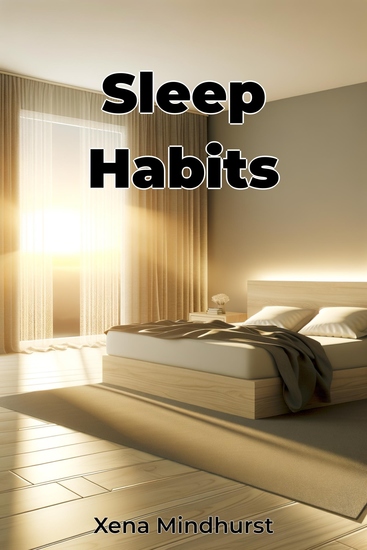
Sleep Habits - cover

Sleep Habits

Xena Mindhurst

Translator A AI

Publisher: Publifye

  • 0
  • 0
  • 0

Summary

Sleep Habits: The Science of Rest for Mind and Body reveals how consistent, quality sleep underpins mental clarity, emotional stability, and peak cognitive performance. Challenging the myth that productivity requires sacrificing rest, the book positions sleep as an active biological process that repairs neural networks, balances neurotransmitters, and solidifies memories. Grounded in decades of research, it explains how circadian rhythms and sleep stages like REM and deep sleep act as invisible architects of daily performance—repairing the brain during deep sleep, for example, or processing emotions through dream cycles.

 
The book uniquely bridges lab-based science with real-world application, showing how erratic sleep schedules disrupt the body’s internal clock, leading to metabolic issues, stress spikes, and impaired decision-making. It dismantles cultural assumptions that equate busyness with effectiveness, highlighting studies where students and professionals boosted achievements simply by aligning sleep patterns with their biological needs. Structured for clarity, early chapters decode sleep biology before linking specific habits to outcomes like emotional resilience or creativity. Later sections offer practical strategies—optimizing light exposure, designing personalized schedules—while addressing modern dilemmas like screen time or shift work.

 
What sets Sleep Habits apart is its interdisciplinary lens, weaving neuroscience, psychology, and public health into a compelling case for sleep as society’s untapped performance enhancer. By blending clinical data with relatable stories of transformed careers and relationships, it makes sleep science accessible without oversimplification. The result is a roadmap for anyone seeking to harness rest as the foundation of success.
Available since: 01/25/2025.
Print length: 70 pages.


Other books that might interest you

  • ANXIETY IN CHILDREN - A Complete Guide on How to Help and Deal with your Anxious Child - cover

    ANXIETY IN CHILDREN - A Complete...

    JORDAN BELZEC

    • 0
    • 0
    • 0
    Are you concerned about the anxiety your child might be experiencing? Or perhaps you've already noticed signs of distress and are seeking concrete answers?  
    "Anxiety in Children" is the comprehensive guide you've been looking for. Through real-life stories and scientific discoveries, the book provides an in-depth understanding of various aspects of childhood anxiety, ensuring no concern goes unanswered. 
    Discover as a parent what you can do to help your child, understand common anxiety disorders, and effectively manage them. With practical solutions and a human perspective, the book will guide you on a journey of understanding and support. 
    A part of what you'll lear:Normal Anxiety Difference with Anxiety DisorderReal-Life Anxiety StoriesScientific Evidence on Children Anxiety and Adverse Effects on AdulthoodHow to Help Children to Conquer AnxietyTypes of Anxiety Disorders, Diagnosis, and TreatmentPosttraumatic Stress Disorder (PTSD) and ChildrenADHD & Anxiety in Childrenand more.. 
    Invest in your child's mental well-being today. Purchase "Anxiety in Children" and start providing them with tools to navigate anxiety in a healthy way. Conclude this exploration into your children's mental health and offer them a future free from worries and full of opportunities. Listen the book and transform your family's life.
    Show book
  • Hidden History of Florida - cover

    Hidden History of Florida

    James C. Clark

    • 0
    • 0
    • 0
    A Florida historian uncovers strange but true tales of The Sunshine State from the sixteenth century arrival of Spanish ships to the antics of modern politics. 


    From Key West to the Redneck Riviera, Florida has a history as colorful as its landscape and as diverse as its residents. But beneath the famous legends of Florida's storied past are intriguing tales that don't appear in the popular guides or history books. In Hidden History of Florida, author James Clark shines a light on some of the most fascinating untold stories of this unique Southern State. 


    Here you will learn about then heartbroken senator who entered a mental institution over unrequited love for an heiress; the thousands of British pilots who trained in flight schools across the state; and the dark, true story of Pocahontas—and how it is linked with America's "first barbecue."
    Show book
  • Love Auntie - Parables and Prayers for Sacred Belonging - cover

    Love Auntie - Parables and...

    Shantell Hinton Hill

    • 0
    • 0
    • 0
    Embrace a faith that makes room for all of us. Where can we go when the world refuses to see us in our fullness? When culture reduces us to categories and stereotypes and even our churches make us feel like we don’t fit in? If we’re blessed to have an Auntie—someone who, like Jesus, welcomes us wholly and calls us beloved—then we have glimpsed the liberation and divine affirmation of sacred belonging. ​ Time and again, Aunties have offered a model for undoing, becoming, and embracing our identities and deepest beliefs. Auntie culture, particularly in Black spaces, is immediately recognizable as an embodied experience where nieces, nephews, and “niblings” feel safe, heard, and seen. Whether we are biological or simply beloved kin, Aunties welcome us in. ​ In Love, Auntie, Shantell Hinton Hill—aka Reverend Auntie—offers tender testimonies to a flock of loved ones who have been led to believe they do not belong. Through modern-day parables, prayers, and prompts for reflection, she invites readers to sit alongside the wisdom-bearing of Black women, lovingly known as Aunties, as they carve out space for doubts, questions, and spiritual expression that honor intersecting identities of race, gender, and class. Because trust and believe, Aunties always know how to turn mess into miracles.
    Show book
  • The Great Fire of London - Rats Disease and Uncontrolled Fires Tormenting the English in 1666 - cover

    The Great Fire of London - Rats...

    Kelly Mass

    • 0
    • 0
    • 0
    The Great Fire of London was a massive fire in the ominous year of 1666, which destroyed the homes of more than 80% of the city’s inhabitants, which was around 80,000 people back then. In this guide, we will go over how the fire most likely started, why it took such a toll on the London population, and why it kept growing without them being able to extinguish the flames in time. 
    You will also learn about how the city was built up, how other competing countries saw the fire as a good thing, and how Christopher Wren helped rebuild churches and houses when it was all over. 
    Last but not least, you will discover how something else was even more disturbing at this time: The Great Plague of London, a horrible scourge which is believed to have killed more than 100,000 people, struck with ills from rats and a lack of hygiene, around the same time. 
    Read about or listen to the horrors people in England were confronted with in the beginning of the 17th century.
    Show book
  • How to stop overthinking - Improve Emotional Health through Practicing Mindfulness Meditation and Unwinding Anxiety - cover

    How to stop overthinking -...

    Aria Ponder

    • 0
    • 0
    • 0
     Embark on a transformative journey towards mental liberation with “How to Stop Overthinking”! 
    Driven by psychology and neuroscience, this guide is your roadmap to clarity. So, get ready to: 
    ●    Unravel the complexities of overanalysis, anxiety, and self-doubt as you discover the keys to emotional well-being.  
    ●    Gain deep insights into overthinking’s cognitive science, distinguishing productive thinking from its hindering counterpart.  
    ●    Dive into mindfulness exercises—breath awareness, body scan meditation—to break free from the cycle of relentless thoughts and enhance emotional regulation.  
    ●    Master thought management techniques, rewrite unhelpful thinking patterns, and cultivate positivity for improved decision-making. 
    ●    Establish healthy lifestyle habits, from sleep routines to nutrition, and learn to set boundaries that restore balance.  
    ●    Embrace resilience, embrace self-compassion, and transform your relationship with technology. 
    And more! 
    With “How to Stop Overthinking”, you can empower yourself with practical strategies, reclaim serenity, and navigate life’s complexities with confidence.  
    Ready to live a life free from the chains of overthinking? Then dive into “How to Stop Overthinking” today and experience the liberating power of a clear mind! 
     
    Show book
  • Roman Society and Culture - A Comprehensive Guide - cover

    Roman Society and Culture - A...

    Rogan Fish

    • 0
    • 0
    • 0
    Roman society, one of the most influential civilizations in human history, was built upon a complex and well-structured foundation that evolved over centuries. The origins of Roman civilization can be traced back to the early settlements along the Tiber River, where communities of farmers and shepherds gradually coalesced into the city-state of Rome. As Rome expanded, both geographically and politically, its social structure grew more intricate, reflecting a blend of indigenous customs and influences from conquered territories. 
    At the heart of Roman society was a rigid social hierarchy, essential to maintaining order and stability. This structure was divided primarily into two main classes: the patricians and the plebeians. The patricians were the elite, consisting of noble families who claimed descent from Rome's founding fathers. They held significant political power and owned vast lands. In contrast, the plebeians represented the common people, including farmers, craftsmen, and laborers. Though initially excluded from many aspects of governance, the plebeians gradually secured political rights through persistent social struggles, leading to the establishment of the office of the Tribune, which protected their interests. 
    Apart from these major classes, Roman society also included a growing number of slaves, who were often prisoners of war or born into servitude. Slavery was integral to the Roman economy, with slaves performing various tasks, from domestic duties to skilled labor in workshops. Despite their lack of freedom, some slaves, particularly those with specialized skills, could earn their emancipation, gaining the status of freedmen and integrating into the lower echelons of society.
    Show book