Join us on a literary world trip!
Add this book to bookshelf
Grey
Write a new comment Default profile 50px
Grey
Subscribe to read the full book or read the first pages for free!
All characters reduced
When We Were Slaves - Hundreds of Recorded Interviews Life Stories and Testimonies of Former Slaves in the South - cover

When We Were Slaves - Hundreds of Recorded Interviews Life Stories and Testimonies of Former Slaves in the South

Work Projects Administration

Publisher: Good Press

  • 0
  • 0
  • 0

Summary

In the poignant anthology *When We Were Slaves*, the Works Progress Administration (WPA) documents the harrowing narratives of formerly enslaved individuals in the United States. This collection weaves together oral histories that vividly recount the brutality and dehumanization faced by enslaved people, juxtaposed against their enduring resilience and culture. Written in a direct yet evocative style, the text serves as an invaluable record of American history, reflecting the WPA's broader mission to capture and preserve the voices of marginalized communities during the Great Depression. The juxtaposition of personal testimonies with broader social commentary situates these narratives within a comprehensive examination of systemic injustice and human endurance. The Works Progress Administration was an essential agency during the New Deal, dedicated to providing jobs and fostering cultural projects. The collection emerged from a vast initiative to document the legacies of slavery through interviews with individuals who experienced it first-hand. This endeavor was not only a means of preserving history but also aimed at acknowledging the cultural impact of slavery on American society. *When We Were Slaves* is a crucial read for anyone seeking to understand the realities of slavery, its lasting effects on American society, and the importance of storytelling in seeking justice and healing. This book offers a powerful connection to the past and challenges readers to confront the complexities of history.
Available since: 12/18/2023.
Print length: 7859 pages.


Other books that might interest you

  • A Light in the Jungle - cover

    A Light in the Jungle

    John F. Schork

    • 0
    • 0
    • 0
    Title Synopsis: A young Marine finds high adventure and higher peril in the jungles of Borneo during World War II. Sent to disrupt Japanese operations on the island, Lieutenant Rob Parker must contend with the hostility of the deep jungle while building an uneasy alliance with a band of vigilant natives. Together, Parker and his multinational platoon of soldiers, tribesmen, and mercenaries wage a guerrilla campaign against the occupying forces and ultimately, wrestle with the chaos and tragedy of war.
    Show book
  • Dispossessing the Wilderness - Indian Removal and the Making of the National Parks - cover

    Dispossessing the Wilderness -...

    Mark David Spence

    • 0
    • 0
    • 0
    National parks like Yellowstone, Yosemite, and Glacier preserve some of this country's most cherished wilderness landscapes. While visions of pristine, uninhabited nature led to the creation of these parks, they also inspired policies of Indian removal. By contrasting the native histories of these places with the links between Indian policy developments and preservationist efforts, this work examines the complex origins of the national parks and the troubling consequences of the American wilderness ideal. The first study to place national park history within the context of the early reservation era, it details the ways that national parks developed into one of the most important arenas of contention between native peoples and non-Indians in the twentieth century.
    Show book
  • Eddie Rickenbacker and Dick Bong: The Lives of America's Top Fighter Aces during the World Wars - cover

    Eddie Rickenbacker and Dick...

    Editors Charles River

    • 0
    • 0
    • 0
    At first, airplane improvements occurred in an ad hoc, almost accidental manner during World War I. However, when pilots’ mounting of armaments on airplanes proved a successful means of defeating other aircraft and even attacking men on the ground, a much more active and systematic development of warplanes began across the continent. Each advance prompted a countermeasure, as the two sides strove for primacy in a deadly, unforgiving environment which rewarded real advances in equipment and tactics with survival and punished poor ideas with death. Before long, relatively powerful, heavily armed aircraft buzzed through the skies over battle-stained Europe, tearing each other apart with furious gusts of machine gun fire and sending many of the vaunted dirigibles plunging, burning, to the ground. The new era of fighting aircraft arrived in dramatic fashion, raising successful pilots to celebrity or heroic status, and laying the groundwork for the tremendous potential of airpower to achieve its next logical expansion in World War II and beyond.  
    Rickenbacker's World War I service won him the Medal of Honor, along with more awards for valor than any other person fighting in World War I. But participating in the wars was not nearly enough time in the air for the ambitious Rickenbacker. When he was not setting new records in the air, he was setting new speed records on the ground, most notably as a first-generation race car driver who not only drove cars but designed them.  
    By the time World War II arrived, the fighter airplane was a much different beast than the purpose-built aircraft-hunting machines of 1917 and 1918. Though propellers still provided motive force, greatly increased engine power allowed these aircraft to slice through the sky at speeds of 200 miles per hour (mph), 300 mph, or even in excess of 400 mph when flying flat-out. Service ceilings jumped to 25,000 feet, 30,000 feet, or higher.
    Show book
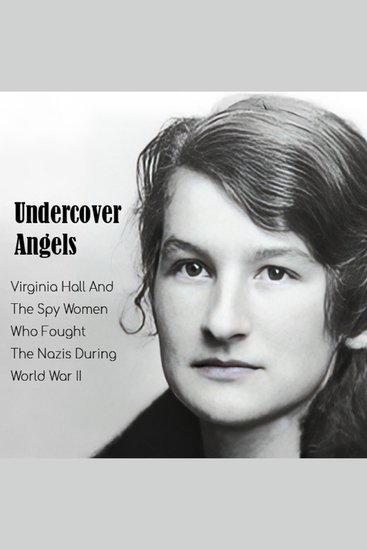
  • Undercover Angels - Virginia Hall And The Spy Women Who Fought The Nazis During World War II - cover

    Undercover Angels - Virginia...

    Davis Truman

    • 0
    • 0
    • 0
    Step into the covert world of World War II's untold heroes, the female agents of the Special Operations Executive (SOE). While history often overlooks their pivotal roles, these daring women defied societal norms and infiltrated enemy lines, rewriting the rules of warfare. 
    "Undercover Angels: Virginia Hall And The Spy Women Who Fought The Nazis During World War II" uncovers their remarkable journey, from recruitment to undercover operations and imprisonment. Drawing from classified documents and personal accounts, this gripping tale reveals their dual identity as combatants and strategic spies, leveraging femininity as a formidable weapon. 
    Explore how these extraordinary women challenged perceptions of wartime roles, leaving a legacy that continues to captivate the world's imagination, morphing from combatants into the enigmatic realm of espionage.
    Show book
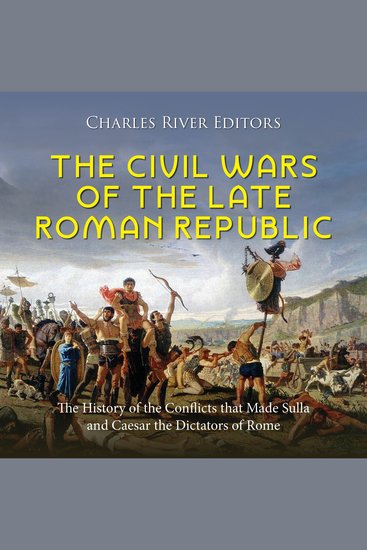
  • Civil Wars of the Late Roman Republic The: The History of the Conflicts that Made Sulla and Caesar the Dictators of Rome - cover

    Civil Wars of the Late Roman...

    Editors Charles River

    • 0
    • 0
    • 0
    Julius Caesar is still remembered for winning a civil war and helping bring about the end of the Roman Republic, leaving a line of emperors in its place, but it’s quite possible that none of what Caesar did would’ve happened without the template for such actions being set 40 years earlier. At the time, when Caesar was in his teens, war was being waged both on the Italian peninsula and abroad, with domestic politics pitting the conservative, aristocratic optimates against the populist, reformist populares, and this tension ultimately escalated into an all-out war. One of the leading populares was Caesar’s uncle, Gaius Marius, a military visionary who had restructured the legions and extended the privileges of land ownership and citizenship to legionaries on condition of successful completion of a fixed term of service. In the late 2nd century B.C., Marius had waged a successful campaign against several Germanic tribes, and after earning eternal fame in the Eternal City, Marius was appointed a consul several times. In 88 B.C., he entered into conflict with his erstwhile protégé, the optimate Sulla, over command of the army to be dispatched against Mithridates VI of Pontus, a long-time enemy of Rome and its Greek allies.   
    Ironically, Marius’s reforms had made the legions fiercely loyal to their individual generals rather than the state, which allowed Sulla to march his army against Rome and force Marius into exile. With that, Rome’s first civil war was officially underway, but Sulla’s triumph proved short-lived. Just as Sulla departed for a campaign, Marius returned at the head of a scratch army of veterans and mercenaries, taking over the city and purging it of Sulla’s optimate supporters, and though Marius died in 86 B.C., his party remained in power. 
    Show book
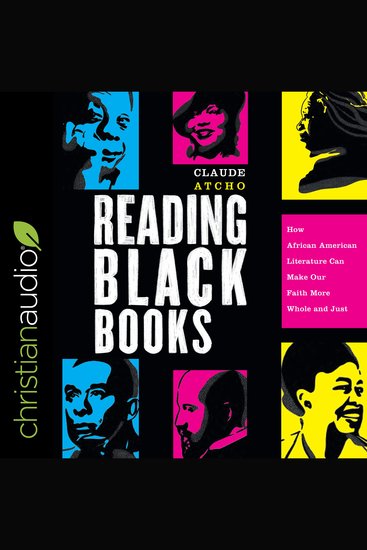
  • Reading Black Books - How African American Literature Can Make Our Faith More Whole and Just - cover

    Reading Black Books - How...

    Claude Atcho

    • 0
    • 0
    • 0
    Learning from Black voices means listening to more than snippets. It means attending to Black stories. Reading Black Books helps Christians hear and learn from enduring Black voices and stories as captured in classic African American literature. 


    Pastor and teacher Claude Atcho offers a theological approach to ten seminal texts of twentieth-century African American literature. Each chapter takes up a theological category for inquiry through a close literary reading and theological reflection on a primary literary text, from Ralph Ellison's Invisible Man and Richard Wright's Native Son to Zora Neale Hurston's Moses, Man of the Mountain and James Baldwin's Go Tell It on the Mountain. The book includes end-of-chapter discussion questions. 


    Reading Black Books helps readers of all backgrounds learn from the contours of Christian faith formed and forged by Black stories, and it spurs continued conversations about racial justice in the church. It demonstrates that reading about Black experience as shown in the literature of great African American writers can guide us toward sharper theological thinking and more faithful living.
    Show book