Join us on a literary world trip!
Add this book to bookshelf
Grey
Write a new comment Default profile 50px
Grey
Subscribe to read the full book or read the first pages for free!
All characters reduced
Little Masterpieces of Science: Invention and Discovery - cover

Little Masterpieces of Science: Invention and Discovery

Various Various

Publisher: DigiCat

  • 0
  • 0
  • 0

Summary

"Little Masterpieces of Science: Invention and Discovery" is an enlightening anthology that compiles groundbreaking essays and excerpts from notable scientists and inventors throughout history. It deftly navigates the intricate interplay between creativity and intellectual endeavors, presenting readers with a rich tapestry of discovery that spans various fields, including physics, biology, and technology. The literary style is both engaging and accessible, appealing to scholars and laypersons alike, while reflecting the ethos of the Scientific Revolution and the Enlightenment, periods characterized by an insatiable curiosity and robust scientific inquiry. The collection features contributions from a diverse array of pioneering figures whose work has shaped modern understanding. Curated by various scholars, the anthology draws from an extensive literary context, emphasizing how each individual's context, background, and philosophical outlook influenced their revolutionary ideas. The amalgamation of distinct voices results in a multifaceted portrayal of scientific progress, showcasing narratives of struggle, triumph, and inspiration. "Little Masterpieces of Science: Invention and Discovery" is a must-read for anyone intrigued by the origins of innovation and the stories behind the inventions that have transformed our world. By offering a panoramic view of scientific thought, this anthology not only educates but also inspires continued exploration in the realms of science and invention.
Available since: 05/28/2022.
Print length: 119 pages.

Other books that might interest you

  • Medicinal Plants - 200 RECIPES: A Complete Guide to the Use of Aromatic Oils in Aromatherapy Herbalism Health and Well Being Identify and Use Wild Herbs for Health and Wellness - cover

    Medicinal Plants - 200 RECIPES:...

    Benjamin X. Campbell

    • 0
    • 0
    • 0
    Medicinal Plants 200 Recipes: A Complete Guide to the Use of Aromatic Oils in Aromatherapy, Herbalism, Health, and Well-Being 
    Unlock the therapeutic power of nature with Medicinal Plants 200 Recipes. This comprehensive audiobook is your ultimate guide to using aromatic oils and wild herbs for health and wellness. With over 200 recipes, you'll learn how to incorporate these natural remedies into your everyday life, whether through aromatherapy, herbalism, or simple self-care routines. 
    From soothing essential oils to healing herbal infusions, this audiobook covers everything you need to know about identifying and utilizing wild plants to support your well-being. You’ll discover practical recipes for enhancing mental clarity, promoting relaxation, boosting immunity, and so much more. 
    Key Features:Over 200 recipes for using aromatic oils and wild herbsExpert guidance on the therapeutic uses of plants for health and wellnessStep-by-step instructions for crafting your own remediesTips on identifying wild herbs and safely using them in aromatherapy and herbalism 
    Whether you're new to herbalism or an experienced practitioner, Medicinal Plants 200 Recipes will deepen your understanding of plant medicine and help you harness the natural healing powers of aromatic oils and wild herbs. Embrace the benefits of nature’s remedies and enhance your well-being today!
    Show book
  • Computer Skills - Understanding Computer Science and Cyber Security (2 in 1) - cover

    Computer Skills - Understanding...

    Jonathan Rigdon

    • 0
    • 0
    • 0
    This book consists of two titles, which are the following: 
    1 - Computer Science: Computer science is a field that deals with the study of computers and computational systems. It encompasses both the theoretical and practical aspects of computing, including algorithms, data structures, programming languages, software engineering, and more. It's about understanding how computers work, how they can solve problems, and how they interact with humans and other systems. 
    2 - Cyber Security: To effectively defend against the threats, cybersecurity professionals employ a variety of strategies and technologies. This includes implementing robust firewalls and intrusion detection systems to monitor and control network traffic, deploying antivirus software to detect and remove malicious software, using encryption to secure sensitive data both in transit and at rest, and implementing strong authentication mechanisms such as multi-factor authentication to prevent unauthorized access.
    Show book
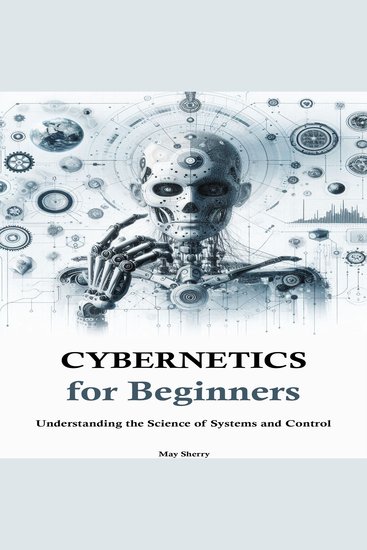
  • Cybernetics for Beginners - Understanding the Science of Systems and Control - cover

    Cybernetics for Beginners -...

    May Sherry

    • 0
    • 0
    • 0
    Cybernetics for Beginners: Understanding the Science of Systems and Control is your gateway into the fascinating world of cybernetics, the interdisciplinary study that connects systems, control, communication, and feedback across both natural and technological domains. Whether you're curious about how living organisms maintain stability, how machines learn and adapt, or how societies function as complex systems, this book provides a comprehensive and accessible introduction to these concepts. 
    Starting with the foundational ideas of cybernetics, the book traces the historical development of the field, from the pioneering work of Norbert Wiener to its modern applications in robotics, artificial intelligence, and social systems. You'll explore key concepts like feedback loops, self-organization, and complex adaptive systems, gaining insight into how they apply to everything from biology and engineering to management and economics. 
    Designed for beginners, Cybernetics for Beginners offers clear explanations, practical examples, and real-world applications, making complex ideas easy to understand and relevant to our increasingly interconnected world. Whether you're a student, a professional, or simply a curious reader, this book will equip you with the knowledge to see the world through the lens of cybernetics—revealing the underlying systems that shape our lives, our technology, and our future. 
     
    Show book
  • Second Lives - The Journey of Brain-Injury Survivors and Their Healers - cover

    Second Lives - The Journey of...

    Ralph B. Lilly MD, Diane F....

    • 0
    • 0
    • 0
    One man’s journey from doctor to patient to healer. Second Lives is a first-hand account of neurologist Ralph Lilly’s recovery from a traumatic brain injury and how the lessons of his recovery enabled him to help others with their own recoveries.  
    “Discharged from a hospital just means you’re not dead.” These words of Ralph B. Lilly, M.D., describe his early struggle to recover from a traumatic brain injury. Lilly was a forty-four-year-old practicing neurologist sitting on his motorcycle at a red light when a drunk driver rear-ended him in 1980. In the ICU, after regaining consciousness and being told what happened, he asked, “What’s a hospital? What’s a motorcycle?” This tragic experience transformed his life and his approach to his neurology practice: doctors treat those with brain injury; but loved ones heal them. 
    Second Lives: The Journey of Brain Injury Survivors and Their Healers is written by Dr. Lilly and Diane F. Kramer. After his death in 2021, Kramer completed the book with the assistance of Lilly’s wife, Joyce Stamp Lilly. This memoir weaves together Ralph Lilly’s experience with a collage of stories about his patients and their healers. After his recovery, Lilly retrained in the emerging field of behavioral neurology, which focuses on behavior, memory, cognition, and emotion after brain injury.
    Show book
  • Soil Health - Building and Maintaining Fertile Ground - cover

    Soil Health - Building and...

    Gertrude Harris

    • 0
    • 0
    • 0
    Soil structure is the physical arrangement of particles and aggregates that form the soil matrix, affecting everything from root growth to water retention and air circulation. The fundamental components of soil include sand, silt, and clay, each contributing unique properties that define the texture and function of the soil. Understanding soil structure is crucial for anyone looking to improve or maintain soil health, as it directly influences the soil’s ability to support plant life. 
    The size of soil particles determines its texture, which in turn affects its drainage and nutrient-holding capacity. Sand particles are the largest, with relatively little ability to retain nutrients or water, but they allow for excellent drainage. Silt particles are smaller and retain water better, though they may also become compacted more easily. Clay, the smallest of the soil particles, holds both water and nutrients but can create a dense, heavy structure that may not drain well, especially when wet. 
    Soil texture influences its ability to hold nutrients and support plant growth. A balanced mixture of sand, silt, and clay—known as loam—is ideal for most plants, as it combines the drainage properties of sand with the nutrient and water retention capabilities of silt and clay. Loam provides the necessary balance of aeration, moisture, and nutrient availability for healthy root systems. 
    The way these particles aggregate into clusters—known as soil structure—is just as important as texture. Soil aggregates, or clumps of soil particles bound together by organic matter, create small spaces for air and water to flow through. This porosity is essential for maintaining soil health. Well-aggregated soil has good permeability and
    Show book
  • The Future of Cybersecurity - Guarding the Digital Frontier: Strategies Tools and Best Practices - cover

    The Future of Cybersecurity -...

    Emily Foster

    • 0
    • 0
    • 0
    "The Future of Cybersecurity: Guarding the Digital Frontier: Strategies, Tools, and Best Practices" explores how cybersecurity is developing and provides information on the best practices, tools, and strategies required to protect digital assets in a world that is becoming more interconnected today.  
    The book, written by subject-matter specialists, examines new dangers and difficulties online adversaries present, ranging from ransomware and social engineering techniques to advanced persistent threats (APTs). It strongly emphasizes preventative defense strategies and risk management frameworks created to lessen cyber threats and safeguard vital infrastructure for enterprises. 
    The book covers a range of crucial topics, including the role of cloud security and its implications for data protection, the integration of artificial intelligence (AI) and machine learning (ML) in threat detection and incident response, and the importance of robust identity and access management (IAM) procedures. It also offers practical guidance on navigating legal frameworks and industry standards and discusses the evolving regulatory landscape and compliance requirements that shape cybersecurity strategies. 
    "The Future of Cybersecurity" provides readers with practical ideas to predict better, detect, and respond to cyber-attacks through case studies and real-world situations. It is a thorough manual for IT managers, company executives, and cybersecurity specialists looking to strengthen their defenses and protect digital assets from the ever-changing and complicated world of cyber threats. 
    Show book