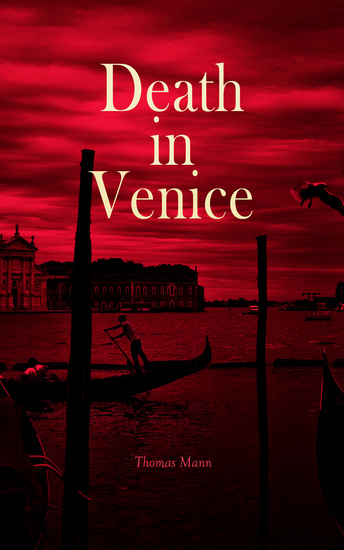
Death in Venice - Classic of German Literature
Thomas Mann
Translator e-artnow
Publisher: e-artnow
Summary
In 'Death in Venice,' Thomas Mann crafts an evocative narrative that intricately explores the themes of beauty, obsession, and mortality. Structured with precision and imbued with symbolic richness, this novella transports readers to the sun-soaked canals of Venice, where the protagonist, Gustav von Aschenbach, a celebrated writer, succumbs to an intoxicating infatuation with a beautiful Polish boy, Tadzio. Mann's meticulous prose captures the decadence and decay of early 20th-century European society, rendering a poignant commentary on the interplay between art and personal turmoil. The novella, resonating with traces of classical mythology, exemplifies Mann's adept ability to blend existential inquiry with narrative elegance. Thomas Mann, a pivotal figure in German literature, was deeply influenced by the intellectual and cultural currents of his time, including the works of Nietzsche and Schopenhauer. His own experience as a disciplined writer and observer of human nature is palpable throughout the novella. Mann's preoccupation with the delicate balance of Apollonian and Dionysian elements within individuals, as well as his reflections on the human condition, are beautifully encapsulated in 'Death in Venice.' This work is a testament to his philosophical insights and narrative mastery. 'Death in Venice' is an essential read for anyone intrigued by the complexities of human desire and the eternal conflict between duty and temptation. It offers a profound meditation on the fleeting nature of beauty and the inexorable pull of passion. Readers will find Mann's novella not only a masterpiece of literary art but also a thought-provoking exploration of the depths of human psychology. This timeless piece continues to challenge and enlighten those who seek understanding in the nuanced facets of the human experience. This translation has been assisted by artificial intelligence.
Available since: 01/01/2026.
Print length: 77 pages.