




OUçA EXEMPLO

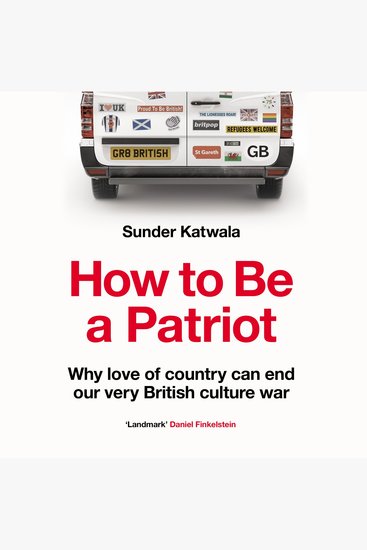
How to Be a Patriot: Why love of country can end our very British culture war
Sunder Katwala
Narrador Sunder Katwala
Editora: HarperCollins UK
Sinopse
How do we define patriotism in a diverse society?What divides us and what brings us together?Why do we feel uncomfortable celebrating our country’s history?
How to be a Patriot offers a new way of understanding our collective identity in a country wracked by division and brimming with markers of selfhood – faith, race, gender, age, sexuality.
Sunder Katwala himself grew up with some questions to work through. As a half-Indian, Irish Catholic child of the NHS, the chequered history of post-imperial Britain seemed very personal to him, but he realised that with that background he could hardly be anything but British, and proud of it too.
His timely and clear-eyed analysis seeks to navigate the many crises of this increasingly disunited kingdom: extremism and integration after 7/7; fear of immigration and the deep divides of Brexit; the resurgence of online racism; and the debate over our cultural heritage. Equipped with a nuanced understanding of the subject and a wealth of supporting data, he sets out to foster a more open and tolerant society: one that welcomes alternative ideas and cultures rather than shutting them out.
Ultimately, How to be a Patriot is a rousing story of lives lived together and shared values. Far from being divisive, it concludes, an inclusive and confident patriotism is a reminder that our differences need not define us.
Sunder Katwala's How to be a Patriot is a top non-fiction book that offers a unique perspective on nationalism and policy. It's a public commentary on the social science of our time, exploring discrimination and ideologies.
For fans of Tony Blair (A Journey), Matthew J. Goodwin (Values, Voice and Virtue), Isabel Hardman (Fighting for Life), Doug Stokes (Against Decolonisation), and Andy Burnham (Head North).
HarperCollins 2023
Duração: aproximadamente 7 horas (07:17:04)
Data de publicação: 15/06/2023; Unabridged; Copyright Year: — Copyright Statment: —




