Join us on a literary world trip!
Add this book to bookshelf
Grey
Write a new comment Default profile 50px
Grey
Subscribe to read the full book or read the first pages for free!
All characters reduced
Alps and Sanctuaries of Piedmont and the Canton Ticino - Enriched edition - cover

Alps and Sanctuaries of Piedmont and the Canton Ticino - Enriched edition

Samuel Butler

Publisher: DigiCat

  • 0
  • 0
  • 0

Summary

In "Alps and Sanctuaries of Piedmont and the Canton Ticino," Samuel Butler embarks on an evocative journey through the stunning landscapes and spiritual sanctuaries of the Italian Alps and the Canton Ticino in Switzerland. Written in an engaging style that marries travelogue with reflective essay, Butler combines vivid descriptions of natural beauty with penetrating insights into the cultural and religious significance of the region's artistic monuments. Set against the backdrop of the mid-19th century, a period marked by a burgeoning romanticism and a quest for authenticity in art and spirituality, the book serves both as a geographical exploration and a meditation on the human condition in the face of sublime nature. Butler, an English novelist and critic with a keen interest in art and philosophy, was profoundly influenced by his experiences in Italy and the Alps. His observations often reflect his broader critiques of social conventions and religion, echoing his distinct views on individualism and skepticism. This trip was part of Butler's larger intellectual odyssey, as he sought to reconcile his artistic aspirations with a deep appreciation for nature, providing a richer context for his literary endeavors. I highly recommend "Alps and Sanctuaries of Piedmont and the Canton Ticino" to readers interested in travel literature that transcends mere description. Butler's explorations are woven with philosophical reflections, making it a significant text for those curious about the interplay between environment, culture, and spirituality. It invites you to not only experience the breathtaking landscapes but to also contemplate the deeper questions of existence that they inspire.

In this enriched edition, we have carefully created added value for your reading experience:
- A succinct Introduction situates the work's timeless appeal and themes.
- The Synopsis outlines the central plot, highlighting key developments without spoiling critical twists.
- A detailed Historical Context immerses you in the era's events and influences that shaped the writing.
- A thorough Analysis dissects symbols, motifs, and character arcs to unearth underlying meanings.
- Reflection questions prompt you to engage personally with the work's messages, connecting them to modern life.
- Hand‐picked Memorable Quotes shine a spotlight on moments of literary brilliance.
- Interactive footnotes clarify unusual references, historical allusions, and archaic phrases for an effortless, more informed read.
Available since: 09/16/2022.
Print length: 259 pages.

Other books that might interest you

  • The Silver Invicta - Journeys with a Fly Fisher - cover

    The Silver Invicta - Journeys...

    Tom Harland

    • 0
    • 0
    • 0
    The Silver Invicta is a stream of impressions from a fishing life, in its varying moods, colored with plenty of whisky and eccentric company. Join Tom Harland on his light-hearted journeys with his fly rod; take part in his triumphs and disasters on rough, wild camping trips and share his encounters with the wildlife of Scotland’s rivers and lochs.  The ‘Silver Invicta’ was the traditional fly which was taken by Tom’s first salmon and is also a nod to the spirit of Scotland’s embattled migratory fish. Tom has fished throughout his local Scottish Borders, England, the Western Isles and New Zealand (a country he lived and worked in for two years), but his real passion is for the brown trout of the hill lochs of Assynt in the North-west Highlands.  Open this treasure trove of a book to share the pleasure the author finds through fishing respectfully in magical, wild, and seldom-visited places.
    Show book
  • HOW TO TRAVEL AROUND THE WORLD ON A BUDGET - The Ultimate Guide to Traveling the World on a Shoestring Budget (2023 Crash Course for Beginners) - cover

    HOW TO TRAVEL AROUND THE WORLD...

    Whitney Barlow

    • 0
    • 0
    • 0
    In this comprehensive guidebook, readers will learn everything they need to know about traveling the world on a budget. Whether you're a student, a backpacker, or simply someone who wants to see the world without breaking the bank, this book will provide you with the essential information, tips, and tricks you need to make your dream trip a reality. 
    Some of the topics covered in the book include:How to plan your itinerary to maximize your time and minimize your expensesTips for finding the cheapest flights, accommodations, and transportation optionsStrategies for saving money on food and drink while still enjoying local cuisineAdvice on how to stay safe and healthy while traveling on a budgetInsights into the best budget-friendly destinations around the worldTips for earning and redeeming travel rewards and frequent flyer milesAdvice on how to travel sustainably and responsibly on a budget 
    And Much More!... 
    Whether you're planning a short-term backpacking trip or a long-term adventure, this book will be your ultimate guide to traveling the world on a shoestring budget. With practical advice and inspiring stories from seasoned budget travelers, you'll learn how to make the most of your trip while keeping your costs low. 
    So, buy this book and get ready to pack your bags and embark on an unforgettable journey without worrying about breaking the bank! 
     
    Show book
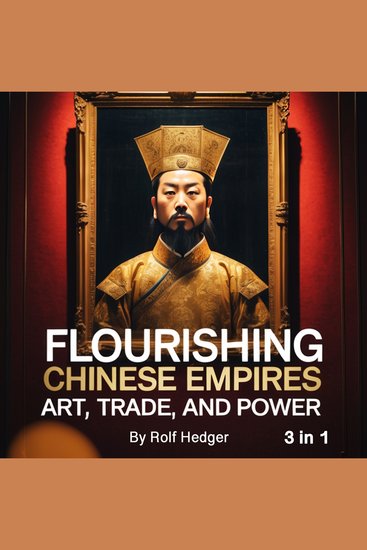
  • Flourishing Chinese Empires - Art Trade and Power (3 in 1) - cover

    Flourishing Chinese Empires -...

    Rolf Hedger

    • 0
    • 0
    • 0
    After centuries of division, China experienced an extraordinary renaissance through three dynasties that elevated the empire to unprecedented heights of cultural brilliance and global influence. "Flourishing Chinese Empires: Art, Trade, and Power" examines the Sui, Tang, and Song dynasties—a golden age when China stood as the world's most advanced civilization. 
    The short-lived Sui Dynasty (581-618 CE) accomplished the crucial task of reunification through ambitious projects including the Grand Canal, standardized administration, and reformed examination system. Though bankrupted by these massive undertakings and unsuccessful military campaigns, the Sui created the essential foundation for the glory that followed. 
    The Tang Dynasty (618-907 CE) transformed this unified state into a cosmopolitan empire of unrivaled splendor. China's borders expanded dramatically while its capital at Chang'an became the world's largest and most sophisticated city—a multicultural metropolis where Persian merchants, Japanese monks, and Korean scholars mingled in bustling markets and elegant gardens. This was the era of China's greatest poets, its artistic zenith in sculpture and painting, and unprecedented openness to foreign influences. 
    The Song Dynasty (960-1279 CE) compensated for military vulnerability with stunning economic and technological advancement. Urbanization accelerated as printing spread literacy, commerce flourished through paper money, maritime trade expanded, and scientific innovation thrived. Though constantly threatened by powerful northern neighbors, the Song fostered a refined cultural environment where landscape painting, philosophical inquiry, and scholarly pursuits reached remarkable sophistication.
    Show book
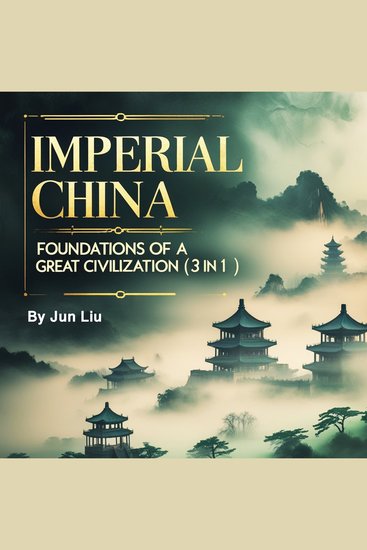
  • Imperial China - Foundations of a Great Civilization (3 in 1) - cover

    Imperial China - Foundations of...

    Jun Liu

    • 0
    • 0
    • 0
    This book offers an in-depth exploration of three of the most influential dynasties in Chinese history: the Han, Qin, and Tang Dynasties. This book delves into the powerful legacies of these dynasties, each of which shaped China’s cultural, political, and social development in profound ways. The Qin Dynasty, under the leadership of Emperor Qin Shi Huang, is known for unifying China and initiating monumental infrastructure projects such as the Great Wall and the Terracotta Army. The Han Dynasty, a golden age in Chinese history, expanded China’s borders, solidified Confucian ideals, and fostered the flourishing of trade along the Silk Road. Finally, the Tang Dynasty, often regarded as the most prosperous period in China’s imperial history, saw significant advancements in arts, culture, and governance. 
    In the Qin Dynasty, China was unified for the first time under a single ruler, marking the beginning of imperial rule. Emperor Qin’s centralization of power, creation of a standardized legal system, and the construction of defensive walls set the stage for the future of Chinese civilization. Although short-lived, the Qin Dynasty’s impact on Chinese governance and infrastructure would echo through the centuries.  
    Meanwhile, the Han Dynasty succeeded the Qin, ushering in an era of stability, economic prosperity, and cultural development. The Han established a strong bureaucracy and military, advanced in science and technology, and integrated Confucianism as the official philosophy, influencing Chinese society for over two millennia. 
    The Tang Dynasty, which followed the collapse of the Sui Dynasty, is celebrated for its cultural achievements, including the flourishing of poetry, painting, and literature. The Tang Empire expanded China's territory to its greatest extent, and its cosmopolitan capital, Chang'an, became a vibrant hub for international trade and cultural exchange.
    Show book
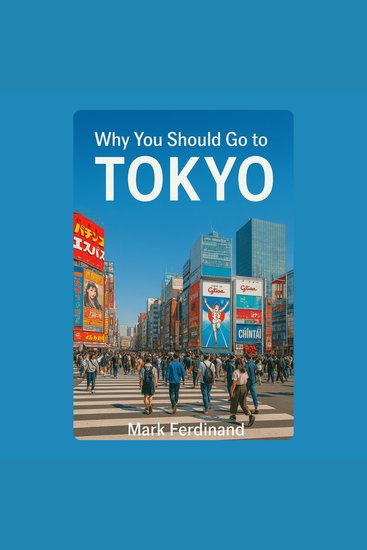
  • Why You Should Go to Tokyo - cover

    Why You Should Go to Tokyo

    Mark Ferdinand

    • 0
    • 0
    • 0
    Tokyo is a city of contrasts—where centuries-old temples stand in the shadow of neon skyscrapers, and serene gardens coexist with the world’s busiest crossings. From sushi breakfasts at Tsukiji Market to late-night ramen in Shinjuku, Tokyo’s food scene alone is reason enough to visit. But this metropolis offers so much more: cutting-edge design, quirky subcultures, and timeless traditions. 
    In this book, Mark Ferdinand takes you on a journey through Tokyo’s many layers—its art, its fashion, its rituals, and its boundless energy. Whether you’re drawn to the cherry blossoms of spring, the buzz of Akihabara, or the quiet charm of a tea ceremony, discover why Tokyo isn’t just a destination—it’s an experience like no other.
    Show book
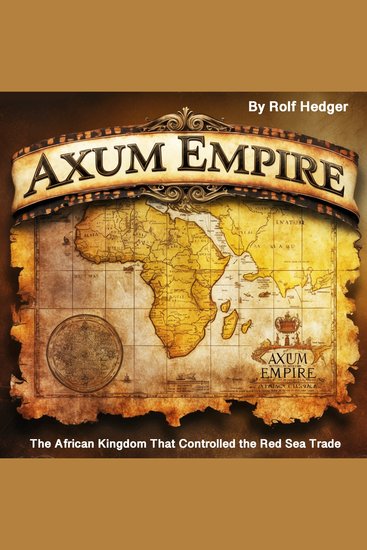
  • Axum Empire - The African Kingdom That Controlled the Red Sea Trade - cover

    Axum Empire - The African...

    Rolf Hedger

    • 0
    • 0
    • 0
    The Axum Empire was one of the most influential civilizations in ancient Africa, flourishing between the 4th and 7th centuries AD. It was located in what is today northern Ethiopia and parts of Eritrea, strategically positioned along the Red Sea trade routes. This placement not only allowed Axum to thrive economically but also made it a key player in global trade between Africa, the Middle East, and Asia. The kingdom of Axum’s rise to prominence marked a pivotal moment in African history, shaping the culture, economy, and politics of the region for centuries. 
    The origins of the Axum Empire are somewhat shrouded in mystery, but its establishment is often linked to the rise of the city of Axum (also spelled Aksum) around the 1st century AD. According to various historical accounts, Axum was originally a small kingdom that grew in power through trade, conquest, and political alliances. It eventually became one of the most advanced civilizations of its time, possessing advanced knowledge of agriculture, architecture, and metallurgy. 
    At its height, the Axum Empire was an extraordinary political and economic entity. The kingdom controlled an extensive territory that stretched from modern-day Ethiopia and Eritrea to parts of Sudan and Arabia. Axum became a major center for trade, exporting goods such as ivory, gold, frankincense, and myrrh, while also importing luxury goods from Roman, Indian, and Arabian merchants. The city of Axum itself was known for its monumental obelisks, palaces, and sophisticated urban planning.
    Show book