Unisciti a noi in un viaggio nel mondo dei libri!
Aggiungi questo libro allo scaffale
Grey
Scrivi un nuovo commento Default profile 50px
Grey
Iscriviti per leggere l'intero libro o leggi le prime pagine gratuitamente!
All characters reduced
Peace Treaties - cover

Peace Treaties

Sabine Lorca

Traduttore A AI

Casa editrice: Publifye

  • 0
  • 0
  • 0

Sinossi

Peace Treaties examines the complex realm of diplomatic agreements, analyzing how treaties designed to end wars either foster lasting stability or sow the seeds of future conflict. It explores the dynamics of treaty negotiations, the specific terms included in peace agreements, and their long-term ramifications on international relations. The book argues that a treaty's durability hinges on its ability to address the root causes of conflict, ensure equitable outcomes, and establish mechanisms for ongoing cooperation.The book stands out by bridging military history, world history, and international relations, providing insights applicable to political science. It analyzes key peace treaties throughout history, such as the Treaty of Westphalia and the Treaty of Versailles, to illustrate different facets of the negotiation process and the impact of specific terms. By examining these case studies, the book offers valuable lessons for contemporary conflict resolution efforts, demonstrating how outcomes of military conflicts are ultimately shaped by political decisions and diplomatic negotiations.Structured to methodically explore its central argument, the book begins by introducing key concepts and theories related to conflict resolution and treaty-making. It then delves into significant peace treaties throughout history, culminating in a synthesis of these case studies. This approach provides practical insights and policy recommendations for crafting more effective and enduring peace agreements, making it a valuable resource for students, policymakers, and anyone interested in understanding the pursuit of peace.
Disponibile da: 29/03/2025.
Lunghezza di stampa: 69 pagine.

Altri libri che potrebbero interessarti

  • Poisonous Plants and Fatal Fungi - The Lore and Lure of Deadly Botanicals - cover

    Poisonous Plants and Fatal Fungi...

    Sandra Kynes

    • 0
    • 0
    • 0
    Explore humanity's fascination with death through sixty poisonous plants and how they have affected history, magic, warfare, art, and more. 
     
    Dispatching people with poisonous plants isn't just an Agatha Christie plot—it began thousands of years ago and continues to this day. Deadly Fascination presents sixty profiles divided into five themes, from classic killers to frightful fungi. Each profile includes the plant's history, folklore, and medicinal uses, as well as how it may or may not be used today. 
     
    Though we fear death, we are also drawn to its mysteries. Sandra Kynes feeds our curiosity and dispels common myths, investigating witches and indigenous healers, poisons in popular media, the murky roots of toxicology, and much more. From aconite to poppy to death cap, poisonous plants can attract you like a moth to a flame . . . but don't get too close.
    Mostra libro
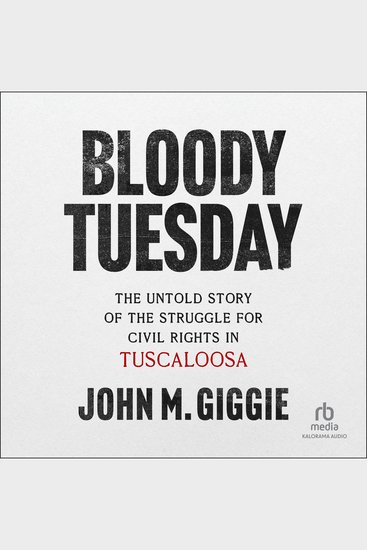
  • Bloody Tuesday - The Untold Story of the Struggle for Civil Rights in Tuscaloosa - cover

    Bloody Tuesday - The Untold...

    John M. Giggie

    • 0
    • 0
    • 0
    The dramatic story of one of the most violent episodes of the civil rights movement and its role in the ongoing reckoning with racial injustice in the United States. 


    On Tuesday, June 9, 1964, police attacked more than 600 Black men, women, and children inside First African Baptist Church (Tuscaloosa, Alabama), where Reverend Martin Luther King had launched the Tuscaloosa campaign for integration three months earlier. As the group gathered to march, they faced over seventy law enforcement officers and hundreds more deputized white citizens and Klansmen eager to end their protests for good. Police smashed the historic church's stained-glass windows with water hoses and fired rounds of tear gas inside. As demonstrators streamed from the church, many choking and soaked, they beat them with nightsticks, cattle prods, and axe handles, arrested nearly a hundred, and sent over thirty to the hospital. Here this event is recounted through the eyes of locals—a charismatic Black preacher trained by Rev. King, an aging police chief, the Imperial Wizard of the Ku Klux Klan, and Black women who were the backbone of the protests. 


    In Bloody Tuesday, John Giggie powerfully recovers one of the last great untold stories of the civil rights movement and its role in the reckoning with America's ongoing struggle for racial justice.
    Mostra libro
  • Herbert Simms - An Architect for the People - cover

    Herbert Simms - An Architect for...

    Lindie Naughton

    • 0
    • 0
    • 0
    Dublin's teeming slums, long regarded as the worst in Europe, were teetering on the brink of structural and sanitary public catastrophe during the early twentieth century. To tackle the crisis, Herbert Simms was appointed the city's first housing architect. During a sixteen-year period, from 1932 until 1948, Simms and his team planned, commissioned and built an astounding 17,000 homes –some as inner-city flat complexes, others as family houses in newly-created suburbs such as Crumlin and Cabra.
    Like the city's acclaimed Georgian squares, the Simms-designed Corporation flats in particular have stood the test of time, injecting a touch of art deco and modernist glamour to neglected neighbourhoods. This comprehensive guide to the Simms buildings also highlights the many struggles with politicians and bureaucrats Simms and his staff experienced as they did their best to build well-designed, affordable housing for the people of Dublin.
    Mostra libro
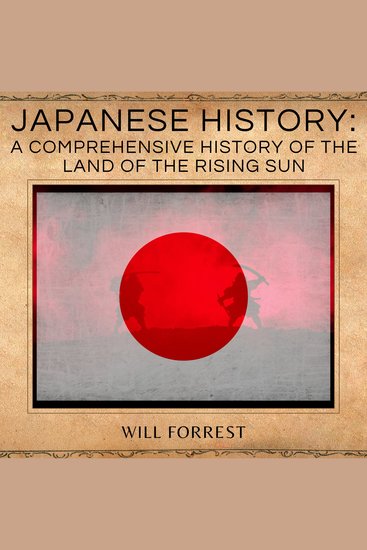
  • Japanese History - a comprehensive history of the land of the rising sun - cover

    Japanese History - a...

    Will Forrest

    • 0
    • 0
    • 0
    Fascinated by samurai, honor-bound warriors of Japan's past? 
    Wonder about World War II's impact and Japan's rebirth? 
    If so, this book is for you! 
    Embark on a thrilling odyssey through Japan's riveting history, catapulting from the ancient realm of samurai and shoguns into the cutting-edge prowess that defines this extraordinary nation. Plunge headfirst into the elegance of timeless art forms, relive the thunderous echoes of feudal clashes, and witness the indomitable spirit that forged Japan's fate. 
    This book is your gateway to the past, weaving electrifying narratives that unravel the enigmatic layers of Japan's heritage. Its pages ignite history before your eyes. Whether you're a daring explorer or an unwavering history devotee, this volume thrusts you into the heart of Japan's captivating saga. 
    Together we will explore:Ancient Shinto Roots: Origins and Imperial LineageFeudal Epoch: Samurai, Shoguns, and IsolationEdo's Cultural Renaissance: Art, Geisha, and KabukiZen Philosophy: Influence and Inner ContemplationMeiji Rebirth: Modernization, Global ReachPost-War Resurgence: Reconstruction and InnovationAnime and Manga: Modern Creative OutpouringTimeless Traditions: Tea Ceremonies, Craftsmanship MasteryTechnological Advancements: Innovations and High-Tech ProwessPop Culture Impact: J-Pop, Cosplay, and BeyondAnd Much More! 
    Unearth the well-guarded secrets of a culture masterfully blending tradition and innovation. Venture forth now, and embark on an exhilarating expedition through the currents of time! Buy this book now!
    Mostra libro
  • Third Class in Indian Railways - cover

    Third Class in Indian Railways

    Mohandas Karamchand Gandhi

    • 0
    • 0
    • 0
    Mohandas Karamchand Gandhi (1869 – 1948) was the pre-eminent political and spiritual leader of India during the Indian independence movement. He was the pioneer of satyagraha—resistance to tyranny through mass civil disobedience, a philosophy firmly founded upon ahimsa or total nonviolence—which led India to independence and inspired movements for civil rights and freedom across the world. Gandhi is commonly known around the world as Mahatma Gandhi and in India also as Bapu. He is officially honoured in India as the Father of the Nation; his birthday, 2 October, is commemorated there as Gandhi Jayanti, a national holiday. (Wikipedia)
    Mostra libro
  • Spanish Armada and English Armada The: The History of Both Nations’ Ill-Fated Naval Campaigns against Each Other - cover

    Spanish Armada and English...

    Editors Charles River

    • 0
    • 0
    • 0
    On July 12, 1588, the legendary Spanish Armada headed for the English Channel. The Spanish plan was to take this invasion, led by the Duke of Parma, to the coast of southeast England, where they would be unleashed to conquer Elizabethan England for Spain’s King Philip II and Catholic Christendom. The Armada included over 150 ships, 8,000 sailors, and 18,000 soldiers, and it boasted a firepower of 1,500 brass guns and 1,000 iron guns. Just leaving port itself took the entire Armada two days.  
    	As everyone who has been taught history now knows, the Armada was one of the most famous military debacles in history. Regardless of the debate over whether it was simple mathematical miscalculation or plain bad luck, coupled with English fire ships assailing the Spanish ships, the Armada was decisively defeated. The Armada ultimately found its reluctant way home in awful conditions, having permanently lost over a third of the ships, and on the Irish coast, the Armada suffered further losses.  
    	What has since been overlooked is that the undeclared Anglo-Spanish War continued, and it would do so until 1604. The English and their Dutch allies responded to the spectacular and unexpected defeat of the Armada with an attempt of their own to attack Spain with a fleet often called the "Counter Armada" in English. In 1589, once the impact of the previous year upon the Hapsburg naval power became clear, Elizabeth ordered Drake to gather the English fleet to take advantage of the situation. Unlike the Spanish, the English had no illusions of being able to invade their opponent's homelands and overthrow their state; instead, the English had far more modest goals. The English wanted to seek out the remainder of the Spanish fleet and burn it, land troops in Portugal and raise a revolution in that country, and capture the Azores Islands. If possible, they would use a base in the Azores to capture the anticipated treasure fleet from the New World. 
    Mostra libro