Join us on a literary world trip!
Add this book to bookshelf
Grey
Write a new comment Default profile 50px
Grey
Subscribe to read the full book or read the first pages for free!
All characters reduced
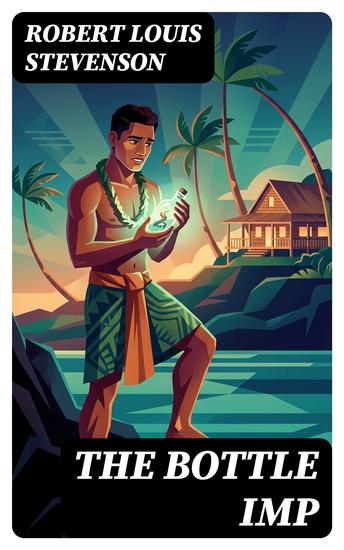
The Bottle Imp - Enriched edition - cover

The Bottle Imp - Enriched edition

Robert Louis Stevenson

Publisher: DigiCat

  • 0
  • 0
  • 0

Summary

Robert Louis Stevenson's "The Bottle Imp" is a masterful blend of adventure, morality, and the fantastic, encapsulated in a narrative that deftly explores the complexities of desire and consequence. Set in the enchanting backdrop of the South Seas, the story follows the protagonist, Keawe, who stumbles upon a magical bottle containing an imp that grants wishes. However, the catch lies in the bottle's curse: if the owner dies while in possession of it, their soul is condemned to hell. Stevenson's prose reflects the influences of Gothic literature and the fin de siècle fascination with morality tales, interweaving elegance with straightforward storytelling that beckons readers to consider the ethical implications of unchecked ambition and the human condition. Stevenson, renowned for his rich storytelling and adventurous spirit, was deeply influenced by his own life experiences, including his travels throughout the South Pacific and a preoccupation with the nature of good and evil. His personal struggles with health and profound thoughts on mortality also find resonance in this tale. The narrative serves as a mirror to Stevenson's contemplation of the allure and dangers of material desires, influenced by his fascination with the interplay of fate and free will. Readers seeking a thought-provoking and captivating story will find "The Bottle Imp" an essential addition to their literary repertoire. Not only does it provide an enthralling adventure steeped in cultural lore, but it also invites readers to reflect upon the unforeseen ramifications of their choices. This timeless tale remains a pertinent exploration of morality, making it an indispensable read for enthusiasts of classic literature.

In this enriched edition, we have carefully created added value for your reading experience:
- A succinct Introduction situates the work's timeless appeal and themes.
- The Synopsis outlines the central plot, highlighting key developments without spoiling critical twists.
- A detailed Historical Context immerses you in the era's events and influences that shaped the writing.
- An Author Biography reveals milestones in the author's life, illuminating the personal insights behind the text.
- A thorough Analysis dissects symbols, motifs, and character arcs to unearth underlying meanings.
- Reflection questions prompt you to engage personally with the work's messages, connecting them to modern life.
- Hand‐picked Memorable Quotes shine a spotlight on moments of literary brilliance.
- Interactive footnotes clarify unusual references, historical allusions, and archaic phrases for an effortless, more informed read.
Available since: 08/10/2022.
Print length: 28 pages.
Other books that might interest you

  • A Little Princess - cover

    A Little Princess

    Frances Hodgson Burnett

    • 0
    • 0
    • 0
    Classic book about a clever little girl who goes through a series of misfortunes on her way to become a little princess.
    Show book
  • London Models (Unabridged) - cover

    London Models (Unabridged)

    Oscar Wilde

    • 0
    • 0
    • 0
    Oscar Wilde (16 October 1854 - 30 November 1900) was an Irish poet and playwright. After writing in different forms throughout the 1880s, he became one of the most popular playwrights in London in the early 1890s.
    LONDON MODELS: Professional models are a purely modern invention. To the Greeks, for instance, they were quite unknown. Mr. Mahaffy, it is true, tells us that Pericles used to present peacocks to the great ladies of Athenian society in order to induce them to sit to his friend Phidias, and we know that Polygnotus introduced into his picture of the Trojan women the face of Elpinice, the celebrated sister of the great Conservative leader of the day.
    Show book
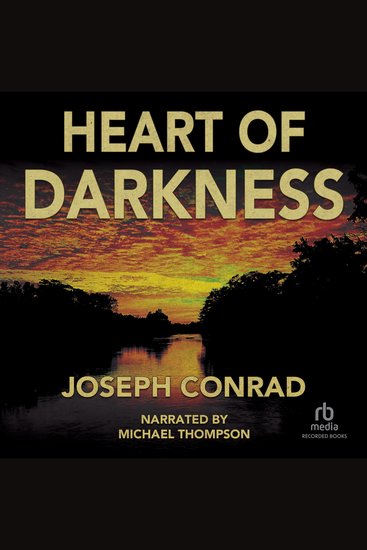
  • Heart of Darkness - cover

    Heart of Darkness

    Joseph Conrad

    • 0
    • 0
    • 0
    First published in 1899, Heart of Darkness ranks as a landmark of modern fiction. A darkly brilliant novel, rich with symbolism, it remains as powerful today as ever. The spellbinding story of a harrowing journey into the depths of Africa reveals the corruption at the heart of human existence. 
      
    An enigmatic seaman named Marlowe tells of his journey upriver, deep into the Congo. As civilization as he knows it rapidly deteriorates, the prospect of meeting the mysterious Kurtz, an ivory trader, draws him along. Finally, Marlowe comes face to face with Kurtz—and unspeakable horror.
    Show book
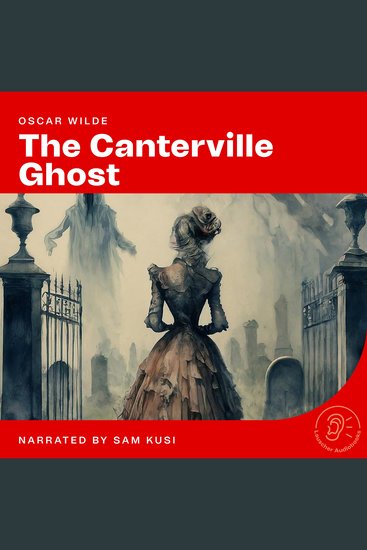
  • The Canterville Ghost - cover

    The Canterville Ghost

    Oscar Wilde

    • 0
    • 0
    • 0
    "The Canterville Ghost" The first of Wilde's stories to be published, appearing in the magazine The Court and Society Review in February 1887. When a family from the United States buys Canterville Chase, they are told it is haunted by a horrible spirit, but this does not deter them in the slightest. Indeed, when they find a recurring blood stain on the floor, and hear creaking chains in the night, even seeing the ghost himself, all they do is clean up the blood and insist that the ghost oil his manacles if he is going to keep living in the house. This perturbs the ghost to no end, and he does everything he can to try to frighten the family.
    Show book
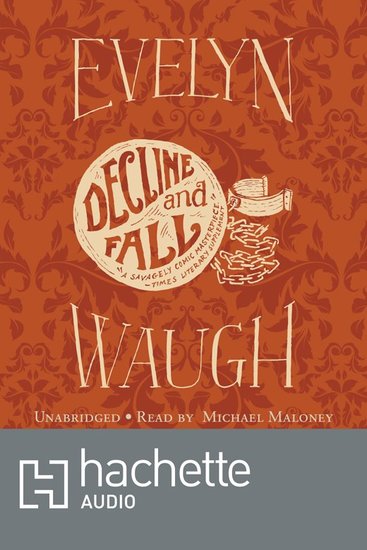
  • Decline and Fall - cover

    Decline and Fall

    Anonymous

    • 0
    • 0
    • 0
    Evelyn Waugh's "irresistible" first novel (New York Times) is a brilliant and hilarious satire of English school life in the 1920s.  Sent down from Oxford after a wild, drunken party, Paul Pennyfeather is oddly surprised to find himself qualifying for the position of schoolmaster at a boys' private school in Wales. His colleagues are an assortment of misfits, rascals and fools, including Prendy (plagued by doubts) and Captain Grimes, who is always in the soup (or just plain drunk). Then Sports Day arrives, and with it the delectable Margot Beste-Chetwynde, floating on a scented breeze. As the farce unfolds in Evelyn Waugh's dazzling debut as a novelist, the young run riot and no one is safe, least of all Paul.
    Show book
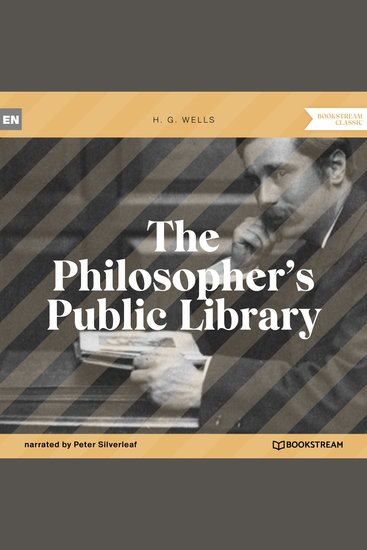
  • Philosopher's Public Library The (Unabridged) - cover

    Philosopher's Public Library The...

    H. G. Wells

    • 0
    • 0
    • 0
    Herbert George Wells (21 September 1866 - 13 August 1946) was an English writer. Prolific in many genres, he wrote dozens of novels, short stories, and works of social commentary, history, satire, biography and autobiography. His work also included two books on recreational war games. Wells is now best remembered for his science fiction novels and is often called the "father of science fiction", along with Jules Verne and the publisher Hugo Gernsback.
    THE PHILOSOPHER'S PUBLIC LIBRARY: Suppose a philosopher had a great deal of money to spend-though this is not in accordance with experience, it is not inherently impossible-and suppose he thought, as any philosopher does think, that the British public ought to read much more and better books than they do, and that founding public libraries was the way to induce them to do so, what sort of public libraries would he found? That, I submit, is a suitable topic for a disinterested speculator.
    Show book