Join us on a literary world trip!
Add this book to bookshelf
Grey
Write a new comment Default profile 50px
Grey
Subscribe to read the full book or read the first pages for free!
All characters reduced
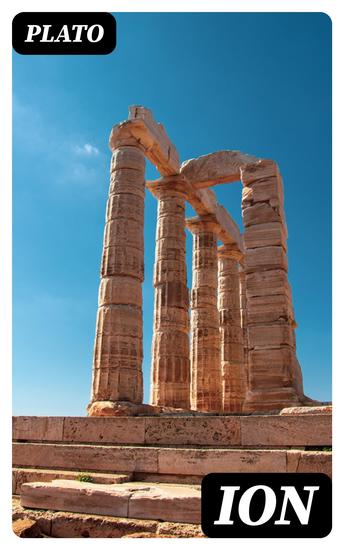
Ion - cover

Ion

Plato

Translator Benjamin Jowett

Publisher: DigiCat

  • 0
  • 0
  • 0

Summary

In "Ion," Plato explores the nature of poetic inspiration through a dialogue between Socrates and the rhapsode Ion. The text masterfully dissects the relationship between the poet, the audience, and the divine, positioning poetry as a medium that evokes emotion rather than communicates knowledge. The literary style is characterized by Socratic dialogue, employing probing questions that reveal deeper philosophical insights on art and its role in society. This work is situated in the context of Classical Athens, where the interplay between thought and creativity was undergoing significant examination, reflecting the intellectual currents of Plato's time. Plato, a pivotal figure in Western philosophy, often grappled with the implications of art and beauty in his works. His experiences in a society rich in cultural expression, combined with his educational background as a student of Socrates, deeply informed his analysis in "Ion." The text serves as a critical reflection of his concerns regarding the influence of poetic art on moral and intellectual development, providing insight into his broader philosophical inquiries. "Ion" is a must-read for anyone interested in the philosophy of art and the dynamics of artistic expression. By engaging with Plato's thoughts, readers will gain a profound appreciation for the complexities of creativity and inspiration, enriching their understanding of both poetry and philosophy.
Available since: 09/04/2022.
Print length: 16 pages.

Other books that might interest you

  • Who Pays for Diversity? - Why Programs Fail at Racial Equity and What to Do about It - cover

    Who Pays for Diversity? - Why...

    Oneya Fennell Okuwobi

    • 0
    • 0
    • 0
    How diversity initiatives harm employees of color by turning them into workplace commodities. 
      
    Diversity programs are under attack. Should those interested in racial justice fight to keep them, or might there be another way forward? Who Pays for Diversity? reveals the costs that employees of color pay under current programs by having their racial identities commodified to benefit white people and institutions. Oneya Fennell Okuwobi proposes fresh and thoughtful ways to reorient these initiatives, move beyond tokenism, and authentically center marginalized employees. 
      
    Drawing on accounts of employees from across the workplace spectrum, from corporations to churches to universities, Who Pays for Diversity? details how the optics of diversity programs undermine employees' competence while diminishing their well-being and workplace productivity. Okuwobi argues that diversity programs have been a costly detour on the path to racial justice, and getting back on track requires solutions that provide equity, dignity, and agency to all employees, instead of defending the status quo.  
      
    "Oneya Fennell Okuwobi brilliantly uncovers the hidden costs of diversity initiatives, challenging the superficiality of such programs and the burdens they place on people of color within so-called 'diverse' environments with a powerful, evidence-backed critique. This book is an essential read for anyone committed to creating genuine racial equity in workplaces and institutions."—Mary Murphy, Herman B. Wells Endowed Professor, Indiana University
    Show book
  • Mesopotamia: Exploring the History of Ancient Mesopotamia - A Deep Dive into Ancient Mesopotamia and the History of Mesopotamia - cover

    Mesopotamia: Exploring the...

    Michael N. Hussey

    • 0
    • 0
    • 0
    Step back in time to Ancient Mesopotamia, the cradle of civilization, where humanity first built cities, created writing, and developed complex societies. This audiobook explores the history of Mesopotamia, from the rise of Sumer and Babylon to the powerful empires that shaped the ancient world. 
    Through engaging storytelling, uncover the daily life, culture, and innovations that defined Ancient Mesopotamia and left an enduring legacy on the modern world. Whether you're a history enthusiast or a curious learner, this exploration of the history of Mesopotamia offers a compelling and immersive journey into one of humanity’s most influential civilizations.
    Show book
  • Masseuse Shows Her How It’s Done The: Age Gap Threesomes 3 (Lesbian Sex FFM Threesome Breeding Hot Husband Cuckquean Group Sex Older Younger Erotica) - cover

    Masseuse Shows Her How It’s Done...

    Nicki Menage

    • 0
    • 0
    • 0
    An older woman and her younger student have their first taste of lesbian sex in this ffm threesome that sees hubby join in too! 
    A masseuse teaches her younger female student how to massage and things turn very naughty in the process. When the masseuse’s husband walks past and sees what’s happening he feels compelled to join in, with his wife easing him into the younger woman and demanding he finish where he shouldn’t.
    Show book
  • How to Write Erotica - cover

    How to Write Erotica

    Rachel Kramer Bussel

    • 0
    • 0
    • 0
    Have you had intimate fantasies or simmering plotlines you've wanted to write but weren't sure how or where to start? Let renowned erotica author and editor Rachel Kramer Bussel show you how to turn those fragments into fully fleshed out erotic stories, novellas, and novels. In this guide, Bussel takes her twenty plus years of experience in the genre and walks writers through the ins and outs of erotic writing. Whether you want to see your work on the shelves of bookstores, pen sexy stories or letters, or simply explore your creativity, How to Write Erotica will put you on the path to becoming the next Anaïs Nin! 


    Having taught erotic writing workshops at universities, conferences, and sex toy stores, Bussel knows how to make even those who blush at the word "sex" feel comfortable putting pen to paper. 


    Aspiring erotic authors will learn everything they need to know about gaining inspiration from their surroundings, breaking into publishing, promoting their work, and making a name for themselves. You don't need a degree, writing experience, or sexual experience to write good erotica. All you need is a keen imagination and a willingness to follow your lusty mind. 


    Contains mature themes.
    Show book
  • Understanding Nietzsche - cover

    Understanding Nietzsche

    Romain Sarnel

    • 0
    • 0
    • 0
    Who was Nietzsche? What did he think? What was his journey, from his youth to his maturity?
    If we had to describe Nietzsche's philosophy, we would call it the philosophy of joy. Contrary to the clichés that weigh on his name, Nietzsche is the philosopher of creativity and life. From an aesthetic point of view, he revolutionized the theory of form. From the point of view of the theory of knowledge, he introduced creativity into the heart of the processes of knowledge. And from the point of view of the theory of being, he revived the movement of reality. 
    Nietzsche developed a true philosophical system, perspectivism, which is open, dynamic and fertile. These are assets that make Nietzsche's thinking all the more fundamental and relevant.
    Show book
  • The Theory of Moral Sentiments - cover

    The Theory of Moral Sentiments

    Adam Smith

    • 0
    • 0
    • 0
    "The Theory of Moral Sentiments" is a book written by Adam Smith, a Scottish philosopher and economist who lived from 1723 to 1790. First published in 1759, the book is considered one of the most important works in the field of moral philosophy. 
    In the book, Smith explores the nature of morality and the role of sympathy and empathy in human interactions. He argues that human beings are naturally inclined to feel sympathy for others, and that this sympathy forms the basis of moral judgments. He also discusses the concept of the "impartial spectator," an imagined observer who helps us to judge the morality of our own actions. 
    Smith's ideas in "The Theory of Moral Sentiments" have had a profound impact on fields beyond moral philosophy, including economics and political theory. In his later work, "The Wealth of Nations," Smith developed his ideas on the nature of markets and the division of labor, which have become foundational concepts in modern economics. 
    Overall, "The Theory of Moral Sentiments" is a key work in the development of Western moral philosophy, and is still widely studied and debated today.
    Show book