Join us on a literary world trip!
Add this book to bookshelf
Grey
Write a new comment Default profile 50px
Grey
Subscribe to read the full book or read the first pages for free!
All characters reduced
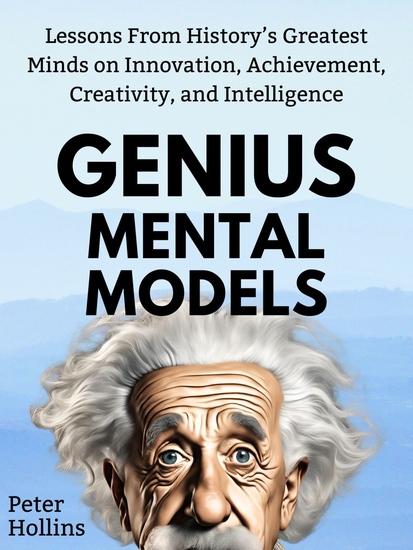
Genius Mental Models - Lessons From History’s Greatest Minds on Innovation Achievement Creativity and Intelligence - cover

Genius Mental Models - Lessons From History’s Greatest Minds on Innovation Achievement Creativity and Intelligence

Peter Hollins

Publisher: Publishdrive

  • 0
  • 0
  • 0

Summary

Learn from some of the greatest thinkers in history. Study their patterns and stand on the shoulders of giants.How does one think like a genius? Is there a set definition for this? Well, no. But if you study the greats, you’re bound to learn something.
 
Learn the five “genius mental models” and how to apply them in your daily life.GENIUS MENTAL MODELS is a look through time and history. We climb into a time travel machine and examine flashpoints in the lives of famous geniuses. They are all household names, and now you can better understand what made them tick.Learn their traits, absorb their techniques, and forge your own path of genius to accomplish whatever you set your mind to.
 
Walk away with a framework of how to simply think better.Peter Hollins has studied psychology and peak human performance for over a dozen years. This book represents the scientifically proven methods he has used to become an expert in multiple domains.
 
The most helpful mental models directly from their sources.•How Einstein’s hobbies helped his genius.•Napoleon's key to conquering nations and cementing his legacy•What Descartes had to say about demons.•Darwin’s Golden Rule and how it changed his life.•Tesla, Edison, and the battle of approaches and philosophies.•Copernicus, Galileo, and the values of non-convention.•Sun Tzu's imagination of wartime strategies to daily life•Mozart and the value of being an empty pitcher to be filled to the brim•The unique team that Abraham Lincoln surrounded himself with.
Available since: 10/30/2024.
Print length: 194 pages.


Other books that might interest you

  • Battle of Lepanto The: A Captivating Guide to the Pivotal Naval Conflict between the Ottoman Turks and the Holy League - cover

    Battle of Lepanto The: A...

    Captivating History

    • 0
    • 0
    • 0
    Dive into the tides of history: Unravel the epic story of the Battle of Lepanto!  
    Are you fascinated by the transformative battles that have shaped our world? The Battle of Lepanto is a thrilling voyage to one of history’s most pivotal naval confrontations. 
    This audiobook isn’t just about a battle; it’s a compelling narrative weaving together military innovation, intense diplomacy, and the birth of cultural masterpieces. 
    Inside this audiobook, you’ll embark on a journey through the turbulent waters leading up to and beyond this legendary clash. Every chapter contains a treasure trove for enthusiasts of 16th-century naval warfare and history aficionados. 
    Discover how Lepanto marked a turning point in naval tactics and technology, setting the stage for modern warfare. 
    Key highlights of your odyssey include:“Twilight of the Galleys”: Uncover why this battle signaled the end of an era in naval warfare.Revolutionary Ships: Learn about the innovative vessel that tipped the scales against the mighty Ottoman fleet.The Holy League: Delve into the alliance’s mission and the diplomatic high-wire act that almost cost them victory.Cultural Impact: Explore the profound influence of Lepanto on European art and culture that has resonated through the centuries.Timeless Lessons: Reflect on strategic insights from Lepanto that continue to inform military and diplomatic strategies today. 
    Transform your understanding of this crucial moment in history.  Click the “add to cart” button now and set sail toward a deeper understanding of the Battle of Lepanto and its enduring legacy!
    Show book
  • Sanctions - What Everyone Needs to Know - cover

    Sanctions - What Everyone Needs...

    Bruce W. Jentleson

    • 0
    • 0
    • 0
    A concise, authoritative overview of a little-understood yet extremely important phenomenon in world politics: the use of economic sanctions by one country to punish another. 


    It's hard to browse the news without seeing reports of yet another imposition of sanctions by one country on another. The United States has sanctions against more than thirty countries. Russia has repeatedly imposed sanctions against former Soviet republics. China has developed its own approach, including targeting private entities such as the NBA. And it's not just major powers: Japan and South Korea have sanctioned each other over WWII and colonial legacies; Saudi Arabia against Qatar because of differences over Iran; and France, Germany, and Norway against Brazil over the Amazon forest and climate change. In Sanctions: What Everyone Needs to Know®, Bruce Jentleson—one of America's leading scholars on the subject—answers the fundamental questions about sanctions today: Why are they used so much? What are their varieties? What are the key factors affecting their success? Why have they become the tool of first resort for states engaged in international conflict? Jentleson demonstrates that examining sanctions is key to understanding international relations and explains how and why they will likely continue to bear on global politics.
    Show book
  • Toni Morrison: A short biography - 5 Minutes: Short on time - long on info! - cover

    Toni Morrison: A short biography...

    5 Minutes, 5 Minute Biographies,...

    • 0
    • 0
    • 0
    Toni Morrison, Nobel prize laureate and exceptional writer: Life and works in a short biography! Everything you need to know, brief and concise. Infotainment, education and entertainment at its best!
    Show book
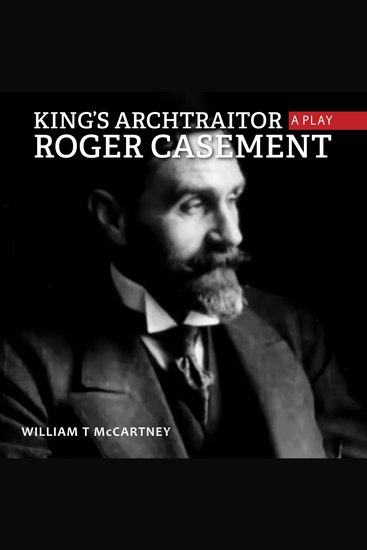
  • King's archtraitor roger casement - cover

    King's archtraitor roger casement

    William T McCartney

    • 0
    • 0
    • 0
    Roger Casement, the legendary leader of Irish Nationalism up to 1916, was also a formidable campaigner for humanitarian values. His investigations into human rights abuse lead directly to vast improvements in Congolese and Peruvian lives. He is the father of human rights protection. This is his story.
    Show book
  • Life as a Silent Gen - Stories and Insights from a Unique Generation - cover

    Life as a Silent Gen - Stories...

    Valerie Vogue

    • 0
    • 0
    • 0
    The Silent Generation, born between the mid-1920s and the early 1940s, is often characterized by its quiet strength and resilience. Unlike the more outspoken Baby Boomers or the politically vocal Millennials, members of this generation are sometimes referred to as the “silent” because they were raised in an era where conformity and restraint were the societal norms. Their lives unfolded during some of the most transformative and tumultuous events of the 20th century, including the Great Depression, World War II, and the early stages of the Cold War. 
    Growing up in the midst of economic hardship, many from the Silent Generation experienced a world of scarcity, hard work, and sacrifice. The Great Depression shaped their values, instilling a sense of frugality, a strong work ethic, and an appreciation for the basics of life. These formative experiences molded a generation that was deeply loyal, resourceful, and able to persevere through difficult circumstances. As children, they witnessed the turmoil of the 1930s, and as young adults, they were called upon to contribute to the war effort during World War II. 
    Yet, despite the challenges they faced, the Silent Generation was also a time of growth and progress. It was a generation that saw the advent of many technological and social changes, although their response to these innovations was often more cautious compared to younger generations. They witnessed the rise of television, the automobile culture, and, later, the early days of the space race and computing. Their era was also one of profound social change, as the civil rights movement and the women’s liberation movement began to take root, though many from the Silent Generation remained resistant to these shifts.
    Show book
  • Gaslighting - The Narcissist's Favorite Tool of Manipulation - How to Avoid the Gaslight Effect and Recovery From Emotional and Narcissistic Abuse - cover

    Gaslighting - The Narcissist's...

    Dr. Theresa J. Covert

    • 0
    • 0
    • 0
    Still struggling from the effects of an abusive relationship? 
    Many people do and sadly there is very little information available to be found online or in the written research, or with counsellors and therapists that can help. The Gaslight Effect is not officially recognised, nor is it widely even known. 
    Even when it is accepted, recognised and known not many people seem to know what to DO ABOUT IT to heal it… The fact is being in a relationship with a narcissist over a long period of time has long lasting traumatic effects that can be extremely catastrophic to the person suffering them. 
    DO THE FOLLOWING SYMPTOMS SOUND FAMILIAR? 
     - Doubting yourself and your sanity 
    - Feeling like you’re losing your mind 
    - Feeling like you’re always apologizing 
    - You’re second-guessing your memory 
    - Feeling like you aren’t good enough 
    - Feeling misunderstood 
    - Feeling lonely 
    - Ruined self confidence 
    - Extreme weight loss or weight gain 
    - Uncharacteristic jealousy/ insecurity 
    - Feeling like you don’t know the difference between right and wrong 
    - Extreme paranoia (being turned into an obsessive detective) 
    - Endless, repetitive obsessive thinking about your ex 
    - Strange dreams 
    - Sudden inexplicable anxiety followed by rapid dips into depression 
    The list goes on…. 
    “NOBODY UNDERSTANDS!” 
    I hear this frustrated cry from abused people a lot. 
    Gaslighting is crazy-making, it makes you think that you’re actually going crazy. 
    Gaslighting is a way of hiding the abuse. 
    Gaslighting is lying with a goal. 
    The motive behind the gaslighting is to make you think that you’re crazy or that your memory doesn’t work right. So you can’t trust yourself and your perceptions of reality.
    Show book