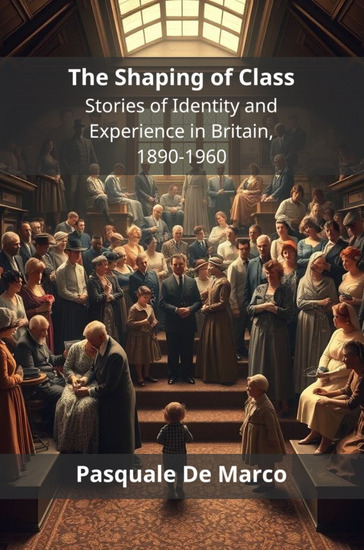
The Shaping of Class - Stories of Identity and Experience in Britain 1890-1960
Pasquale De Marco
Editorial: Publishdrive
Sinopsis
This book offers a comprehensive exploration of the historical construction of class identity in Britain from 1890 to 1960, shedding light on the intricate relationship between social, cultural, and economic factors in shaping class relations. Through meticulous analysis of diverse historical sources, it delves into the subjective experiences and lived realities of working-class people during this transformative period.

The book begins by examining the rise of industrial capitalism and the changing nature of work in the late 19th and early 20th centuries, highlighting their profound impact on class relations and the emergence of a distinct working-class culture. It also explores the significant roles of gender and ethnicity in shaping class identity, arguing that a comprehensive understanding of class requires consideration of these intersecting factors.

Moving forward, the book examines the impact of major historical events, such as the First and Second World Wars, on class relations in Britain. It analyzes how these conflicts affected the working class economically, socially, and politically, shedding light on the evolving role of the Labour Party in representing working-class interests and the changing nature of class identity in the aftermath of these wars.

Furthermore, the book investigates the impact of the post-war economic boom and the creation of the welfare state on the working class, exploring how these developments led to improvements in living standards and a decline in poverty, and how they influenced class relations and class identity. It also examines the impact of Thatcherism in the 1980s and the rise of New Labour in the 1990s and 2000s, analyzing their respective impacts on the working class.

Finally, the book explores the impact of the global financial crisis of 2008, Brexit, and the COVID-19 pandemic on the working class in Britain, examining how these events have impacted the economy, the labor market, and class relations. It also delves into the changing nature of class identity in the 21st century and the challenges and opportunities facing the working class in the years to come.

With its rigorous analysis and insightful perspectives, this book offers a valuable resource for scholars, students, and anyone interested in understanding the historical construction of class identity in Britain and its implications for contemporary society.


If you like this book, write a review!
Disponible desde: 02/06/2025.
Longitud de impresión: 161 páginas.