Join us on a literary world trip!
Add this book to bookshelf
Grey
Write a new comment Default profile 50px
Grey
Subscribe to read the full book or read the first pages for free!
All characters reduced
The Museum of Birds - cover

The Museum of Birds

Pasquale De Marco

Publisher: Publishdrive

  • 0
  • 0
  • 0

Summary

"The Museum of Birds" is an enchanting journey into the fascinating world of birds, revealing their remarkable abilities, diverse habitats, and vital role in maintaining the balance of our planet's ecosystems.

Within these pages, you'll embark on an exploration of the avian kingdom, where each species possesses unique characteristics and behaviors that contribute to the intricate tapestry of life on Earth. Marvel at the intricate beauty of their plumage, the haunting melodies of their songs, and the incredible feats of endurance they undertake during migration.

Discover the profound interconnectedness between humans and birds, as they have served as sources of inspiration for artists, writers, and musicians throughout history. Delve into the cultural significance of birds, uncovering the myths, legends, and symbolism that have surrounded these creatures for centuries.

However, the book also sheds light on the challenges that birds face in the modern world, including habitat loss, climate change, and pollution. By understanding the threats they face, we can become more informed advocates for their protection and conservation.

"The Museum of Birds" is a celebration of the beauty, diversity, and importance of these extraordinary creatures. As you immerse yourself in this captivating journey, you'll gain a deeper appreciation for the intricate wonders of nature and the vital role birds play in shaping our planet's ecosystems.

Join us on this extraordinary adventure through the Museum of Birds, where you'll discover the enchanting world of these feathered marvels and the profound impact they have on our lives and our planet.


If you like this book, write a review!
Available since: 06/02/2025.
Print length: 159 pages.
Other books that might interest you

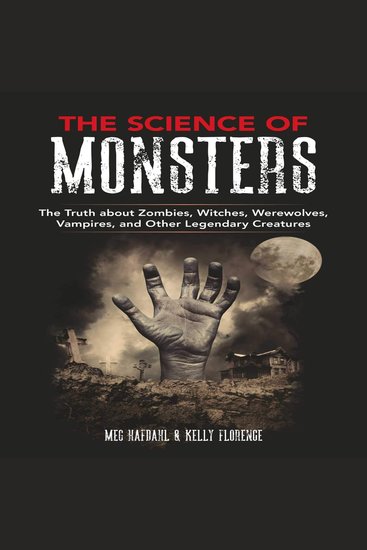
  • The Science of Monsters - The Truth About Zombies Witches Werewolves and Other Legendary Creatures - cover

    The Science of Monsters - The...

    Meg Hafdahl & Kelly Florence

    • 0
    • 0
    • 0
    A must-have for any fan of horror and fantasy movies—Night of the Living Dead, A Nightmare on Elm Street, The Shining (Stephen King), and so many more! 
      
    If you love film that scares, and want to believe that zombies, vampires, and other deadly and terrifying creatures could be real, let Meg Hafdahl and Kelly Florence, the women behind the Horror Rewind podcast called “the best horror film podcast out there” by Film Daddy, take you to the world where horror and science meet. 
     
    Gothic media moguls Meg Hafdahl and Kelly Florence revisit the films from their childhood to discover the science behind the fear. Join Kelly and Meg as they unravel the medical mysteries and scientific marvels that inspired the creation of famous monsters like Nosferatu, Norman Bates, Dracula, Frankenstein, and many more. 
      
    An approachable and frightfully fun examination of what goes bump in the night, The Science of Monsters will thrill every horror fan.
    Show book
  • Why Geese Don't Get Obese (and we do) - How Evolution's Strategies for Survival Affect Our Everyday Lives - cover

    Why Geese Don't Get Obese (and...

    Eric P. Widmaier

    • 0
    • 0
    • 0
    Imagine being able to consume 250,000 calories daily without gaining weight. 
    If you had the metabolism of a shrew you could. And while most of us can't hold our breath for more than a few minutes, the Weddell seal can remain under water for a full 75 minutes! 
    Through many amazing examples, Why Geese Don't Get Obese discusses the mechanisms humans and other creatures have evolved to gauge their need for food; gather water and oxygen; circulate blood; regulate body temperature; respond to stressful situations; and maintain other survival needs. 
    Peppy prose and just the right amount of detail make this audio-book a delight and a fitting ode to the remarkable resilience of nature!
    Show book
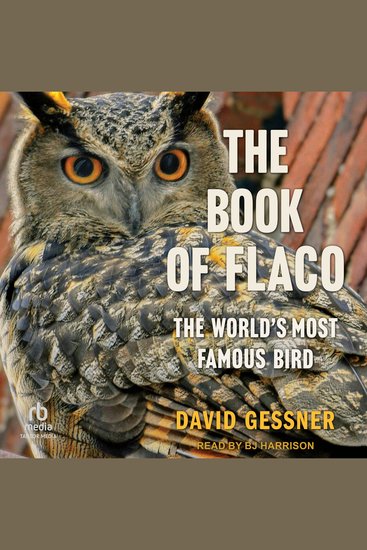
  • The Book of Flaco - The World’s Most Famous Bird - cover

    The Book of Flaco - The World’s...

    David Gessner

    • 0
    • 0
    • 0
    The story of Flaco, the Eurasian eagle-owl who escaped from Central Park Zoo and captured the hearts and imaginations of millions of followers around the world. 


    Nature writer David Gessner chronicles the year-long odyssey of Flaco and the human drama that followed the owl who captured the imaginations of New Yorkers and people around the world. Though he'd spent his life in a cage, Flaco learned to survive in New York City by eating rats, squirrels, and birds. He was an immigrant coming from elsewhere to make it in the big city. Central Park, the island of green in an urban sea, was his new home territory. 


    Flaco's urban adventure brought controversy, pitting those who felt he should be returned to the safety of the zoo against those who created the "Free Flaco" movement. The birding world was fractured over the ethics of the online sharing of his location that brought scores of enthusiasts to view him each day. And his end—with a grim necropsy revealing Flaco had suffered a viral infection from eating pigeons and had multiple rodenticides in his system—serves as a Rachel Carson-esque warning about the harm we've done to our urban environments, inspiring the passage of long-sought legislation protecting urban birds and regulations meant to reduce the use of rodenticides in New York City.
    Show book
  • A Brief History of the Female Body - An Evolutionary Look at How and Why the Female Form Came to Be - cover

    A Brief History of the Female...

    Dr. Deena Emera

    • 0
    • 0
    • 0
    From breasts and orgasms to periods, pregnancies, and menopause—A Brief History of the Female Body is a fascinating science book explaining the mysteries of the female body through an evolutionary lens. 


    Let's face it: The female body is an enigma. For teenagers first experiencing their periods, the monthly arrival of mood swings and cramps can be agonizing and inconvenient. With pregnancy—perhaps the most miraculous of bodily events—comes countless potential complications, including high blood pressure, diabetes, premature birth, and postpartum depression. And menopause is equally mystifying. Why do females lose their fertility over time and experience the notorious side effects—like hot flashes, weight gain, and hair loss—while males maintain their fertility forever? 


    Evolutionary geneticist and educator Dr. Deena Emera has spent much of her career studying the evolution of female reproduction. A Brief History of the Female Body draws on her vast expertise as a biologist, her experience as a mother of four children, and her love of teaching to look far into our evolutionary past, illuminating how and, more importantly, why the female form has transformed over millions of years and its effects on women's health.
    Show book
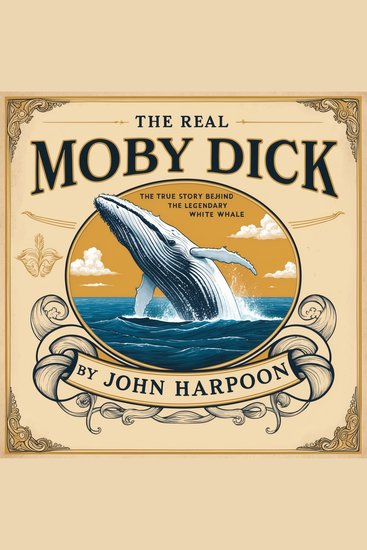
  • The Real Moby Dick - The True Story behind the Legendary White Whale - cover

    The Real Moby Dick - The True...

    John Harpoon

    • 0
    • 0
    • 0
    For more than a century, Moby-Dick has captivated readers with its epic tale of obsession, revenge, and the relentless pursuit of an almost mythical white whale. Herman Melville’s novel, often considered one of the greatest works of American literature, is filled with symbolism and philosophical depth. Yet, behind this work of fiction lies a true story—one of survival, maritime danger, and an extraordinary encounter with a real-life white whale that terrorized whalers in the early 19th century. The legend of Moby Dick is more than just fiction; it is rooted in historical events, shaped by firsthand accounts, and woven into the fabric of seafaring lore.  
      
    The inspiration for Melville’s famous novel came from two key sources: the Essex tragedy and the real-life white whale known as Mocha Dick. The Essex, a whaling ship from Nantucket, was attacked and sunk by a massive sperm whale in 1820, leaving its crew stranded in the open ocean. Their harrowing tale of survival, including desperate decisions that pushed them to the limits of human endurance, became one of the most infamous maritime disasters of the era. Meanwhile, whalers of the Pacific frequently told stories of an unusually large and aggressive albino whale that had survived multiple harpoon attacks. This whale, named Mocha Dick after the Chilean island where he was often seen, was known to fight back with remarkable intelligence and force. These real events formed the foundation for Melville’s fictional masterpiece, blending reality with myth in a way that continues to spark curiosity and debate. 
    Show book
  • The Wanderer - An Alaska Wolf's Final Journey - cover

    The Wanderer - An Alaska Wolf's...

    Tom Walker

    • 0
    • 0
    • 0
    The Wanderer is the first book ever to chart a wolf's movement, almost to the day, for an extended period of time. Informed by unique access to research and field notes, award-winning author, photographer, and naturalist Tom Walker shares the story of Wolf 258, nicknamed "the Wanderer," part of a research project that studied wolves in Alaska's Yukon–Charley Rivers National Preserve for more than two decades. A GPS collar recorded the animal's coordinates once a day as it moved through the wilderness. To the amazement of all, the Wanderer traveled more than 2,700 miles in less than six months. To tell this story, Walker had unparalleled access to research and field notes, including the cooperation of the biologist who first collared the Wanderer and the wolf researcher now assigned to Yukon–Charley. 


    The Wanderer recounts the compelling life of one particular wolf, while examining the broader complexity of the species as a whole and its struggle for survival. Walker explores not only the natural history of wolves, but the relationship of people—Indigenous, pioneers and settlers, biologists, politicians—to this predator, shedding light on the long northern traditions of trapping and hunting, the tangled politics of wolf management, and the futility of borders to contain large mammals.
    Show book