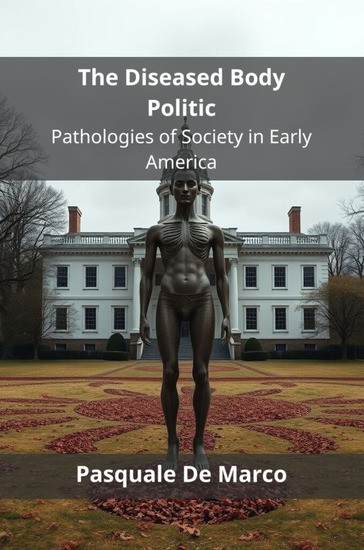
The Diseased Body Politic - Pathologies of Society in Early America
Pasquale De Marco
Publisher: Publishdrive
Summary
In the tumultuous era of early America, disease was a constant threat, shaping the social, political, and economic landscape in profound ways. This book explores the complex relationship between disease and society in the United States from the arrival of European settlers to the early 19th century.

Early Americans often perceived disease as a foreign invader, something alien and threatening that came from outside the body and the community. This perception led to widespread fear and stigma, resulting in the exclusion and discrimination of those who were sick. The book examines how this fear of the "foreign body" influenced public health policies and practices, leading to the quarantine and isolation of the sick, as well as the scapegoating of minority groups.

The book also delves into the role of the media in shaping perceptions of disease. In the absence of reliable information, rumors and speculation ran rampant, often leading to panic and hysteria. The book analyzes how newspapers, pamphlets, and other forms of media contributed to the spread of misinformation and fear, and how this impacted public health efforts.

Furthermore, the book explores the economic and environmental factors that contributed to the spread of disease. It examines the impact of factors such as poverty, poor sanitation, and inadequate housing on the health of the population. It also investigates the relationship between disease and the environment, considering how factors such as climate, geography, and pollution influenced the prevalence and spread of disease.

The book also highlights the role of technology in the fight against disease. It examines the development of medical technologies such as vaccination and quarantine, and how these advances gradually improved public health. It also considers the ethical implications of these technologies and the challenges of balancing individual rights with the need to protect the public health.

Finally, the book reflects on the legacy of disease in America. It examines how disease has shaped American culture, politics, and society, and how the lessons learned from past epidemics continue to inform public health policy and practice today. This book is a comprehensive and thought-provoking exploration of the complex relationship between disease and society in early America, offering valuable insights for understanding the challenges and opportunities of disease prevention in the 21st century.


If you like this book, write a review!
Available since: 06/02/2025.
Print length: 161 pages.