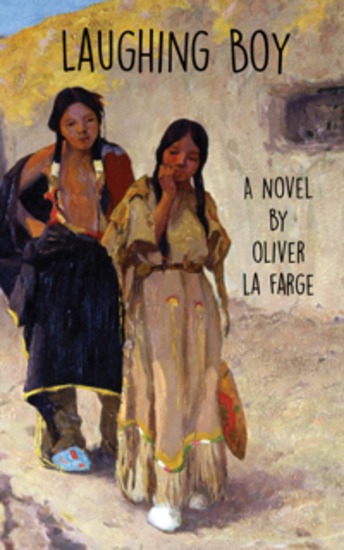
Laughing Boy (Classicus Edition)
Oliver La Farge
Verlag: Classicus
Beschreibung
Published in 1929, Laughing Boy by Oliver La Farge is a tender and evocative exploration of cultural identity, love, and resilience in the face of change. Set in the early 20th century, the novel provides a vivid portrayal of Navajo life during a period when traditional ways were increasingly threatened by external pressures and assimilationist policies.
     The story follows Laughing Boy, a proud and traditional Navajo man skilled in the arts of silversmithing and deeply connected to his heritage. When he meets Slim Girl, a fellow Navajo raised in an Anglo-American boarding school, their romance blooms, but it is fraught with challenges. Slim Girl, shaped by her experiences outside the Navajo community, longs to reconcile the cultural values she was taught with the traditions of her people. Their love becomes a microcosm of the broader cultural struggles faced by Indigenous peoples during this era, as they navigate the pull between preserving their identity and adapting to a changing world.
     La Farge, an anthropologist as well as a writer, brings a keen eye for detail and a genuine respect for Navajo culture to his work. However, the novel is not without controversy. Written by a non-Native author, Laughing Boy raises important questions about authenticity, representation, and the ethical dimensions of storytelling. Critics and readers have debated its depiction of Navajo characters and culture, examining the ways in which the novel reflects both the limitations and the aspirations of its time.
     Awarded the Pulitzer Prize for Fiction in 1930, Laughing Boy endures as a complex and multifaceted work. It invites readers to reflect on themes of love, belonging, and cultural survival while grappling with the legacies of colonization and assimilation. For modern audiences, the novel serves as both a historical artifact and a starting point for deeper engagement with Indigenous voices and perspectives.
Verfügbar seit: 14.01.2025.