Join us on a literary world trip!
Add this book to bookshelf
Grey
Write a new comment Default profile 50px
Grey
Subscribe to read the full book or read the first pages for free!
All characters reduced
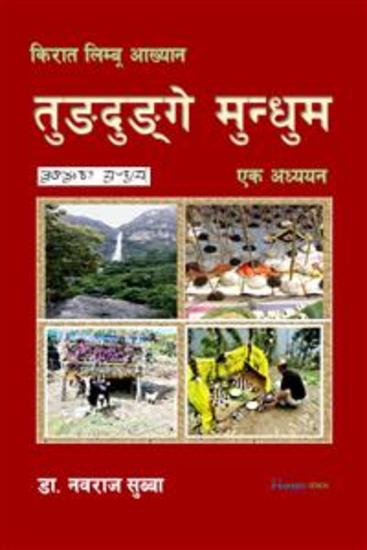
तुङदुङ्‍गे मुन्धुम – किरात आख्यान – एक अध्ययन - cover

तुङदुङ्‍गे मुन्धुम – किरात आख्यान – एक अध्ययन

Nawa Raj Subba

Publisher: Nawa Raj Subba

  • 0
  • 0
  • 0

Summary

तुङदुङ्‍गे मुन्धुम किरात लिम्बू समुदायको सांस्कृतिक सम्पदा हो। यो किरात समुदायमा विशेष गरी साँबा जातिको पैत्रिक पूजा हो। यसलाई आख्यान भन्‍न सकिन्छ।
यस पुस्तकमा आख्यालाई ऐतिहासिक पृष्ठभूमिमा खोज्ने काम भएको छ। यहाँ प्रमाण र सिद्धान्तका आधारमा आख्यानको विश्‍लेषण गरिएको छ।  सामाजिक जैविक नमूनाका सैद्धानितक धरातलमा आख्यानलाई तर्किक निष्कर्षमा पुर्‍याइएको छ।
एक सांस्कृतिक आख्यानमा रहेको तुङदुङ्‍गे मुन्धुमलाई आख्यान वा परम्परामा मात्र सीमित नराखेर त्यसलाई मानवशास्त्रीय दृष्टिकोणबाट पर्गेल्ने प्रयास अध्ययनमार्फत् भएको छ। यो शोधको प्रारम्मिक समीक्षात्मक स्वरूप एक पुस्तिका र लेखको रूपमा प्रकाशित भैसकेको छ। जसलाई पाठकले अभिरूचीपूर्वक पढेको पाइएको छ। यहाँ उक्त मुन्धुमलाई वस्तुगत आधार र शैद्धान्तिक पृष्ठभूमिलाई गाँसेर थप ब्याख्या गरिएको छ।
इतिहास तथा वंशावलीले साँबा जातिको इतिहास किरात–सेन–साँबासंग गाँसिएको जनाउँछ। यो मुन्धुमले ऐतिहासिक तथ्यहरूलाई समर्थन गरेको पाइन्छ। यो अध्ययन यसैमा केन्द्रीत छ।
यस अध्ययनले हाम्रा सांस्कृतिक सम्पदाभित्र लुकेर रहेका ज्ञान, मूल्य र मान्यतालाई वैज्ञानिक दृष्टिले हेर्न अभिप्रेरित गर्दछ।
यो अध्ययन विभिन्‍न प्रमाण, आधारभूमि, वंशावली र लिम्बू जातिका विभिन्‍न मुन्धुम केलाएर विश्‍लेषण/संश्‍लेषण गरिएको हुँदा शोधकर्तालाई सहयोगी हुने अपेक्षा गरिएको छ।
Available since: 09/18/2023.

Other books that might interest you

  • फयङ साँबा वंशावली - cover

    फयङ साँबा वंशावली

    Nawa Raj Subba

    • 0
    • 0
    • 0
    वंशावली भनेको पुरुष वा पितृ, पुत्र वा दरसन्तानहरूको क्रमिक नामावली हो। जैविक नाता र सामाजिक सांस्कृतिक अनुकूलनबाट वंशावलीको विकासक्रम भएको पाइन्छ। त्यसैले कुनै जातिको उत्पत्ति, विकास र व्यवहारको अध्ययन गर्ने काम वंशावलीमा गरिन्छ। यो जातीय ज्ञानले एकातिर उनीहरूको पौराणिक, ऐतिहासिक धरातलको उदघाटन गर्दछ भने अर्कातिर सामाजिक र सांस्कृतिक विकासक्रमलाई उजागर गरिदिन्छ।
    वंशावलीलाई वंशवृक्ष पनि भन्‍ने चलन छ। तर वंशावली र वंशवृक्षमा मैले तात्विक अन्तर पाएँ। वंशवृक्षमा भनिए झैँ बोटको काण्ड र हाँगामा विकास भए जस्तो विकासक्रम जातीय वंशावलीमा पाइँदैन। वंशभित्र मिसल भाइ वा मानस पुत्रको पनि व्यवस्था हुन्छ। कुनै थर, जाति, राष्ट्र (साँबा, लिम्बू, राई, किरात आदि) मा वंशानुगत वा जैविक नाताको बाहुल्य भए तापनि समावेशी अङ्गको उपस्थिति पनि महत्वपूर्ण रूपमा रहेको हुन्छ।
    त्यसैले वंशवृक्ष शब्दले एउटा भ्रम सिर्जना गरिदिएको छ। मानिसले आफ्नो जातिको उत्पत्तिको कल्पना गर्दा कुनै रूख वा हाँगासित तुलना गर्ने गर्दछन्। वर्तमानमा एकै थरका सन्तानका जैविक पिता एकै भएको विश्वास गर्ने गरिन्छ। यही भ्रम चिर्न वंशवृक्ष भन्दा वंशावली शब्द बढी उचित देखिन्छ। यद्यपि, पुस्तकमा मैले दुवै पदावली प्रयोग गरेको छु। कारण मलाई के विश्वास छ भने मैले प्रस्तुत गरेका वंशक्रम वस्तुगत भन्दा बढी ढाँचागत नामावली हुन्।
    इतिहास र वंशावली केलाउँदा थाहा हुन्छ, साँबा परिवारमा फयङ उपथरको उदय करिव ३०० वर्ष अघि भयो। त्यसै गरी सेन राई समुदायबाट साँबा वंशको उदय करिव ७०० वर्षअघि भएको अनुमान गरिन्छ। सेनको उदय भने किरात समुदायमा हजारौँ वर्षअघि भएको ऐतिहासिक प्रमाण भेटिन्छन्।
    यो भनाइ साङ्‍गपाङ्‍ग ढाँचा हो। हामीसित आज सेन र किरात इतिहासबारे तथ्य, प्रमाण वा सामग्री उपलब्ध छन्। ती प्रमाण वा अभिलेख वृहद् रूपमा छरिएका अवस्थामा भेटिन्छन्। तर साँबा समुदाय वा फयङ परिवारको इतिहास र ज्ञान भने सीमित परिवारमा खुम्चिएर गएको छ। यसका धेरै तथ्य लुप्तप्रायः भैसकेका छन्। बचेखुचेका प्रमाण र ज्ञानका आधारमा साँबा फयङको वंशक्रम कोर्ने काम यहाँ भएको छ।
    थर वा उपथर उत्पत्तिस्थल अर्थात् माङ्‍गेना यक लिङथाङ यकमा यो साँबा पुर्खा कहाँबाट कहिले किन आयो र कसरी विकसित भयो यहाँ खोतल्ने काम भएको छ। फयङ साँबा समुदाय विश्‍व समुदायको एक सदस्य भएकाले घटनाक्रम, परिवेश र पात्रसित भएका विवरण यहाँ आएका छन्। साँबाबाट फयङ परिवारमा छुट्टिएपछिको वंशवृक्षको रूपरेखा यहाँ लिपिवद्ध गरिएको छ।
    यो वंशावलीलाई एक नमूना मान्‍ने हो भने यसले जनाएका धेरै सन्दर्भ र सामग्री अन्य समुदाय अध्ययनमा पनि काम लाग्‍नसक्छन्।
    
     
    Show book
  • किरात लिम्बू संस्कृति – मानवशास्त्रीय विवेचना - साँबा फयङ नालीबेली - cover

    किरात लिम्बू संस्कृति –...

    Nawa Raj Subba

    • 0
    • 0
    • 0
    भनिन्छ संस्कृति बिना मान्छेको जीवन अपूर्ण हुन्छ। यसैले यही पूर्णताका लागि कोही संस्कृतिमा लीन हुन्छन् कोही अलि टाढा बसेर त्यही संस्कृति नियाल्दछन्।
    
    नेपालका प्राचीन किरात जाति कुनै पनि धर्मशास्त्र भन्दा पुरानो जाति हुन्। यिनीहहरूका संस्कृति अनि ज्ञान आज ओझेलमा परेको छन्। यही अन्यौल आज पीडा बनेको छ। आदिवासीका पसिना र रगतले सिंचिएको भूमिमा आज तिनका अस्तित्व ओइलाएका अवस्थामा छन्। यिनीहरूको योगदानलाई हामीले भुल्यौँ भने हामी आफै अपूर्ण हुनेछौँ।
    
    किरात लिम्बूको मानवशास्त्रीय अवलोकनद्वारा हाल उठेका कतिपय सवालहरूलाई विवेचना गरी एक तथ्यपूर्ण र तर्कपूर्ण निष्कर्ष सहित जानकारी पाठकलाई गराउनुपर्ने आवश्यकतालाई पूरा गर्न लेखक अघि सरेको छ। यो विशुद्ध प्राज्ञिक मूल्य र मान्यतामा आधारित प्रयास हो।
    
    मुन्धुम, वेद, किरात लिम्बू इतिहास र संस्कृतिका बारेमा प्रामाणिक तथ्यहरूको सामाजिक–सांस्कृतिक मानवशास्त्रीय कसीमा यति मिहिन ढङ्‍गले विश्लेषण गरिएको संभवतः यो पहिलो कृति हो। यसमा खस, आर्य, धिमाल, भोटबर्मेली परिवारहरूसंगको तुलनात्मक अध्ययन पनि छ। ग्रन्थभित्र प्रचुर मात्रामा तथ्याङ्क प्रस्तुति, विश्लेषण तथा संश्लेषण गरिएको छ। गौरवशाली किरात इतिहास र विशिष्ट संस्कृतिका बारे सरल भाषामा बुझ्‍न चाहनेहरूका लागि यो कृति सहयोगी छ।
    
    सकारात्मकवादमा आधारित प्रस्तुत अध्ययनले सत्तामीमांसा र ज्ञानमीमांसालाई छर्लङ्ग्याइदिइको छ। ग्रन्थमा किरात–सेन–साँबा सभ्यताको अध्ययन तथा मिहिन विश्लेषण भएको छ। विभिन्‍न वंशावली तथा तुङदुङ्‍गे मुन्धुम अध्ययनका आधारमा सिमाङगढ, कोशी कोकाहा बराहक्षेत्रमा रहेका किरात सेन तथा मेवाखोलाका साँबाबीच रक्तगत अनन्या तथा सांस्कृतिक नाता रहेको अध्ययनले पत्ता लगाएको छ।  
    इतिहास,संस्कृति र मानवशास्त्रीय अन्वेषणमा रूचि राख्ने सुब्बा पेशाले जनस्वास्थ्यविद् हुन्। गीतकारका रूपमा समेत परिचित उनका दर्जन बढी साहित्यिक कृति प्रकाशित छन्। स्वास्थ्य मनोविज्ञानमा विद्यावारिधि उपाधि हासिल गरेका सुब्बा जनस्वास्थ्य र नेपाली साहित्यका स्नातकोत्तर हुन्। उनले विश्वविद्यालयमा मानवशास्त्र, समाजशास्त्र, संस्कृति र जनसंख्या पनि अध्ययन गरेका छन्।
    
    जिल्ला जनस्वास्थ्य अधिकृतको रूपमा विभिन्न जिल्लामा तीनदशक बढी सेवा गरी सेवानिवृत्त भएका उनले यस कृतिमा किरात लिम्बू मध्येको एक थर साँबा फयङलाई आधार बनाएर अध्ययन गरेका छन्। साथै किरात लिम्बू सांस्कृतिक अध्ययनलाई मानवशास्त्रीय तथ्य, सिद्धान्त र दृष्टिकोणद्वारा पर्गेल्न जोड दिएका छन्।
    
    लेखक जीवनको उत्तरार्धमा पुगेपछि अनुसन्धानको सकारात्मकबाद समातेर प्राप्त भरपर्दा सूचना र तथ्याङ्कलाई आधार मान्दै एक निचोडमा पुगेको छ। यही ज्ञानलाई अभिलेख राख्‍न साथै पाठकसमक्ष साझा गर्न प्रस्तुत पुस्तक प्रकाशित गरिएको छ। नेपाली माटोको सही पहिचान जान्न र बुझ्‍न चाहने पाठक, अनुसन्धातालाई किरात सभ्यता, संस्कृति र जातीय सवाल छिचोलेर जानलाई यो पुस्तक उपयोगी हुनेछ।
    
     
    Show book
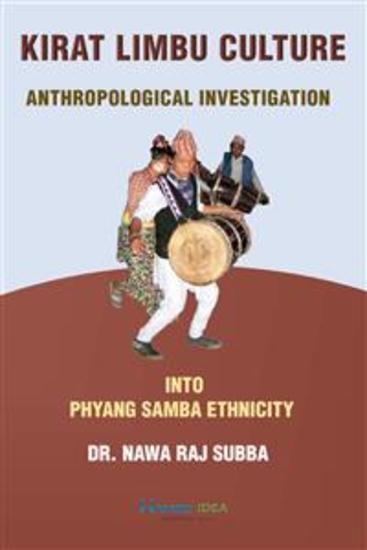
  • Kirat Limbu Culture - Anthropological Investigation - into Samba Phyang Ethnicity - cover

    Kirat Limbu Culture -...

    Nawa Raj Subba

    • 0
    • 0
    • 0
    Human existence is believed to be incomplete without the enrichment of culture. Some individuals wholeheartedly immerse themselves in their cultural surroundings, while others observe from a distance.
    
    The ancient Kirat civilization of Nepal predates any religious texts we have. Unfortunately, their profound cultural wisdom has primarily faded, leading to a disheartening void in our understanding of ancient knowledge. The plight of the tribal communities in the land nurtured by their toil and sacrifice is a cause for concern. Neglecting the valuable contributions of these tribal communities in the name of progress leaves us incomplete.
    
    Through a thorough anthropological study of the Kirat Limbu community, we've arrived at factual and logical conclusions regarding the questions they've raised. This writer endeavors to share this information, driven purely by academic value and recognition.
    
    Recognizing his responsibility, this writer, in the later stages of life, has felt a sense of urgency in preserving the positivity of research. The book is published to document synthesized knowledge based on trustworthy information and data, thereby sharing it with readers.
    
    In this groundbreaking book, the author delves into the realms of Mundhum, Vedas, Kirat Limbu history, and culture, offering a Socio-cultural anthropological analysis that is unparalleled in its authenticity. This work provides a comprehensive exploration of these subjects and includes a comparative study with Khas, Arya, Dhimal, and Tibeto-Burman families.
    
    The book presents a wealth of meticulously examined and synthesized data, making it an invaluable resource for anyone seeking to grasp the rich history and distinctive culture of the Kirat people, conveyed in accessible language. This study, which uses a positivist methodology, divides ontology and epistemology and lays a solid theoretical groundwork for the current investigation. The book thoroughly examines the Kirat-Sen-Samba civilization, conducting extensive research and analysis.
    
    The findings reveal a significant correlation between Kirat Sen from Simangadh, Chaudandi, Koshi Kokaha Baraha Kshetra, and Samba from Mewa Khola Taplejung, Nepal, establishing a connection between blood lineage and cultural heritage. This conclusion is drawn from examining diverse genealogies and the study of Tungdunge Mundhum.
    
    The author, Subba, is a public health specialist interested in history, culture, and anthropological research. Known for his songwriting talents, he has published over a dozen literary works. Holding a PhD in health psychology and master's degrees in public health and Nepali literature, Subba's academic pursuits have encompassed the fields of anthropology, sociology, culture, and population. After serving as a district public health officer for over three decades across various districts, he has now retired. With a focus on utilizing anthropological facts, theories, and perspectives, Subba emphasizes the importance of cultural studies within the Kirat Limbu community.
    
    This book is expected to be a valuable resource for those seeking to understand the true essence of Nepali soil, to explore the rich Kirat civilization, its culture, and the intricate tapestry of ethnic issues—best of luck on this enlightening journey.
    
     
    Show book

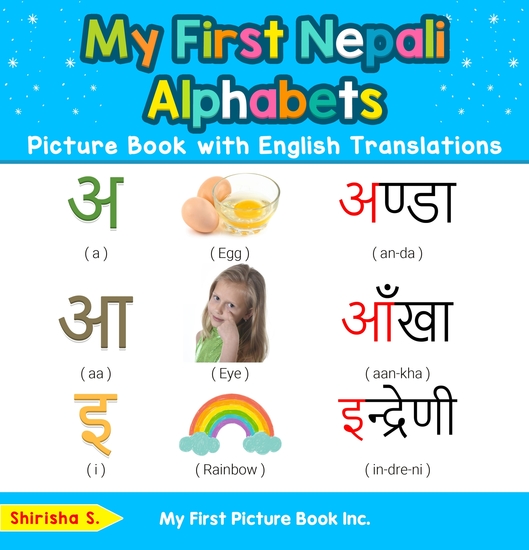
  • My First Nepali Alphabets Picture Book with English Translations - Bilingual Early Learning & Easy Teaching Nepali Books for Kids - cover

    My First Nepali Alphabets...

    Shirisha S.

    • 0
    • 0
    • 0
    📚 Want to Introduce Your Kids to the Basics of Nepali Alphabets? 👶Learning a new language can be a fun and engaging experience for children, especially when it's combined with vibrant illustrations and easy-to-follow guides. Our book is designed to introduce young learners to the Nepali alphabet in a way that’s both educational and enjoyable.🎉 Experience the joy of learning Nepali through our vibrant picture book! 🖼️With each letter of the Nepali alphabet beautifully presented on its own page, your child will have the opportunity to explore new words, see their English translations, and learn how to pronounce them with the help of our English transliterations. This method allows for a smooth learning curve, making the language more accessible and easier to grasp.🌟 Highlights Inside the Book:
     
    🔤 Nepali Alphabets - Discover all the letters in the Nepali alphabet.
     
    📖 Nepali Words - Learn simple and common Nepali words associated with each letter.
     
    🇬🇧 English Translations - Each word is accompanied by its English meaning.
     
    🔉 English Transliteration - This provides a pronunciation guide, making it easier for your child to learn how to say each word in Nepali correctly.
     
    📖 What Makes Our Book Unique?
     
    📄 Each Alphabet Gets Its Own Dedicated Page - Plenty of space for illustrations and learning.
     
    🎨 Beautiful Full-Color Illustrations on Every Page - Engaging visuals to captivate young readers.
     
    This book is the perfect start for any child looking to embark on the journey of learning Nepali. Whether you're a parent, teacher, or caregiver, you'll find that this book offers a delightful and effective way to introduce a new language to your child.
    Show book