Junte-se a nós em uma viagem ao mundo dos livros!
Adicionar este livro à prateleira
Grey
Deixe um novo comentário Default profile 50px
Grey
Assine para ler o livro completo ou leia as primeiras páginas de graça!
All characters reduced
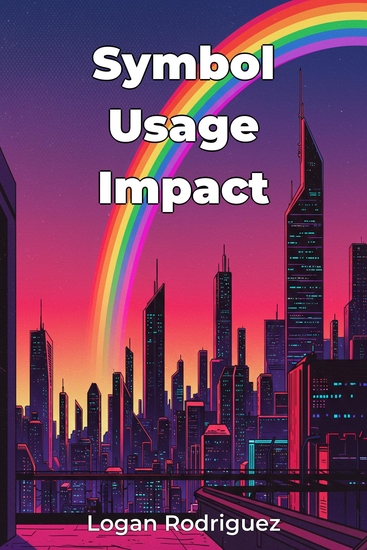
Symbol Usage Impact - cover
LER

Symbol Usage Impact

Logan Rodriguez

Tradutor A AI

Editora: Publifye

  • 0
  • 0
  • 0

Sinopse

Symbol Usage Impact explores how visual language in comic books shapes the representation of LGBTQ identities. It examines the use of color, iconography, and attire as powerful tools for cultural expression and resistance. The book highlights how these visual elements can subvert stereotypes and foster community. For example, the strategic use of color palettes can evoke emotions or challenge traditional norms, while specific attire choices can signal gender identity and subcultural affiliations. 

 
The book progresses by first establishing theoretical frameworks, then delving into the distinct roles of color, iconography, and attire. It analyzes how recurring images and motifs can become shorthand for LGBTQ themes. By combining art history, queer theory, and media studies, Symbol Usage Impact offers a nuanced understanding of visual communication and marginalized identities. This approach provides valuable insights for both academic researchers and general readers interested in LGBTQ representation and comic art.
Disponível desde: 07/04/2025.
Comprimento de impressão: 65 páginas.

Outros livros que poderiam interessá-lo

  • The Rise and Decline of Nations - Economic Growth Stagflation and Social Rigidities - cover

    The Rise and Decline of Nations...

    Mancur Olson, Edward L. Glaeser

    • 0
    • 0
    • 0
    The updated edition of Mancur Olson's award-winning book The Rise and Decline of Nations.
    Ver livro
  • Delayed Not Defeated - Helping COVID Era Toddlers Catch Up Socially & Emotionally - cover

    Delayed Not Defeated - Helping...

    Andreas Fischer

    • 0
    • 0
    • 0
    The Pandemic May Have Delayed Your Toddler, but They Will Not Be Defeated 
    This compassionate, science-based guide offers hope and practical strategies for parents of children whose critical developmental years (ages 2–4) were impacted by COVID-19 isolation. 
    Written by a child development expert, it explains how pandemic conditions disrupted normal social, emotional, and communication milestones and provides a comprehensive roadmap for helping children recover and thrive. 
    Rather than focusing on what was lost, Delayed, Not Defeated empowers parents with targeted approaches for supporting development across key domains: 
    ●      building social skills through structured playdates and peer interactions 
    ●      developing emotional regulation strategies for children with big feelings 
    ●      creating language-rich environments to boost communication skills 
    ●      using play as a powerful therapeutic tool 
    ●      managing screen time thoughtfully 
    ●      preparing children for successful school transitions 
    Each chapter combines the latest research with practical, easy-to-implement strategies that work in real family life. Special considerations address specific challenges, including sensory sensitivities, multilingual development, sibling dynamics, and when to seek professional support. 
    The book's central message is one of hope: What pandemic toddlers experienced was a developmental delay, not a developmental destiny. 
    With the loving guidance and evidence-based strategies provided in this book, children will do more than catch up—they'll develop unique strengths from navigating these extraordinary early experiences.
    Ver livro
  • Mothers and Other Fictional Characters - A Memoir in Essays - cover

    Mothers and Other Fictional...

    Nicole Graev Lipson

    • 0
    • 0
    • 0
    In this intimate and riveting memoir, Best American Essayist Nicole Graev Lipson breaks through the ready-made stories of womanhood, rescuing truth from the fiction that infiltrates our lives. 
      
    What does it take to escape the plotlines mapped onto us? Searching for clues in the work of her literary foremothers, Lipson untangles what it means to be a girl, a woman, a lover, a partner, a daughter, and a mother in a world all too ready to reduce us to stock characters. Whether she’s testing the fragile borders of fidelity, embracing the taboo power of female friendship, escaping her family for the solitude of the mountains, grappling with what to do with her frozen embryos, or letting go of the children she imagined for the ones she’s raising, Lipson pushes beyond the easy, surface stories we tell about ourselves to brave less certain territory.  
      
    As Lipson journeys through this thorny terrain, literature becomes her lodestar. Kate Chopin’s erotic story “The Storm” helps her reckon with the longings stirring below the surface of her marriage. Watching her son absorb the stifling codes of manhood, she finds unlikely parenting inspiration in Philip Roth’s most cartoonish overbearing mother. Summoning Gwendolyn Brooks, she asks, Can destroying one’s frozen embryos be understood as a maternal act? And accompanied by Shakespeare’s gender-bending heroine Rosalind, she seizes on the truest meaning of loving her oldest child.  
      
    Risky and revealing, nourishing and affirming, rigorous and sexy, Mothers and Other Fictional Characters is a shimmering love letter to our forgotten selves—and the ones we’re still becoming. 
      
    “Sensitive, searingly intelligent, and beautifully written.”—Claire Dederer, author of Monsters: A Fan’s Dilemma
    Ver livro
  • Our Search for Belonging - How Our Need to Connect Is Tearing Us Apart - cover

    Our Search for Belonging - How...

    Howard J. Ross, JonRobert...

    • 0
    • 0
    • 0
    Why are we so divided today? Paradoxically, Howard Ross, author of Everyday Bias, says it's our compulsion to belong to a group--something hardwired into us-- that ends up making us deeply connected with some, yet deeply divided from others. Ross shows how we can overcome this growing tribalism. 
     
    We are living in a world of almost unparalleled separation. People are no longer disagreeing, but are instead disavowing each other's rights to an opinion. What is driving this polarization, and how can we overcome it? Howard Ross says that ironically it's our profound need to belong. He delves deeply into the powerful psychological, neurological, and biological forces that drive us to want to identify so strongly with a group we're sometimes even willing to sacrifice our individual identity. 
    Drawing on his decades of leadership in the diversity and inclusion field, Ross probes the depth and impact of this growing tribalism, the role social media plays in exacerbating it, the ways it impacts every aspect of the daily lives, and how to combat it.  Readers will gain tools for exploring contentious dialogue in healthier ways and guidelines for breaking down barriers and building bridges across difference, and organizations and institutions will be able to develop approaches that can open dialogue and encourage mutual understanding.
    Ver livro
  • Healing the Adult Children of Narcissists - Essays on The Invisible War Zone and Exercises for Recovery and Reflection - cover

    Healing the Adult Children of...

    Shahida Arabi

    • 0
    • 0
    • 0
    Those who have had a narcissistic parent can testify to how damaging it can be to one's psyche. Narcissistic parents lack empathy, show a severe sense of entitlement to micromanage the lives of their children, and often subject their children to neglect, as well as emotional, psychological, and physical abuse. From the unique challenges daughters of narcissistic fathers face to the ways in which adverse childhood experiences affect our brains, Shahida Arabi's insightful essays resonate deeply with those who have been raised by narcissistic parents. In this new essay collection, Arabi explores how narcissistic abuse in childhood can set us up for trauma repetition in adulthood, affecting how we navigate relationships, the self, and the world. She pinpoints the toxic traits and behaviors of narcissistic mothers and fathers, exposing how covert abuse insidiously plays out in these specific dynamics. She offers the essential tools, skill sets, and healing modalities for survivors who have undergone a lifetime's worth of abuse, helping them to break the cycle once and for all for future generations.
    Ver livro
  • From Where Do Attachment And Detachment Come? - Gstaad 1965 - Small Group Discussion 4 - cover

    From Where Do Attachment And...

    Jiddu Krishnamurti

    • 0
    • 0
    • 0
    From where do attachment and detachment come? - 24 August 1965  
    • What is the relationship of the brain to the totality of the mind? 
    • Fear of not being, fear of isolation, fear of not having pleasure, fear of having 
    no relationship, is the soil from which the stem of contradiction grows. 
    • I want to be free of this stem to see what happens if there is no attachment, no 
    detachment, because I am not afraid. 
    • Is there a peace with no entity saying, ‘I am peaceful’?
    Ver livro