Junte-se a nós em uma viagem ao mundo dos livros!
Adicionar este livro à prateleira
Grey
Deixe um novo comentário Default profile 50px
Grey
Assine para ler o livro completo ou leia as primeiras páginas de graça!
All characters reduced
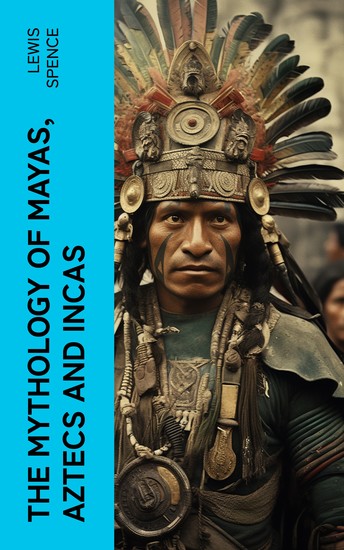
The Mythology of Mayas Aztecs and Incas - cover
LER

The Mythology of Mayas Aztecs and Incas

Lewis Spence

Editora: e-artnow

  • 0
  • 0
  • 0

Sinopse

The Mythology of Mayas, Aztecs and Incas is a detailed study on the history and mythology of ancient Aztecs and Incas, providing valuable information to allow understanding into the background of Latin American heritage. The book includes tales of the myths of creations, legends of numerous Mesoamerican Gods, such as Quetzalcoatl, Tlaloc, Tezcatlipoca and Huitzilopochtli, and many other interesting folk tales of the ancient tribes of Mexico and Peru.
Disponível desde: 05/12/2023.
Comprimento de impressão: 272 páginas.


Outros livros que poderiam interessá-lo

  • Not Your Mama's Bible (NUMB) - cover

    Not Your Mama's Bible (NUMB)

    Pasha Tay

    • 0
    • 0
    • 0
    This is a bible. Not Your Mama's Bible, though-a different kind. You can say goodbye to those negative voices in your head and focus on the positive ones. You won't find any fake pleasantries here, just honest guidance that you can use to build a solid foundation in your life. In this book, we will break down the barriers of what's holding you back and how to build your self-confidence from there on out.If you are not afraid of the bitter truth, if you are not faint every time you hear a curse word, if you are not lazy and are willing to break some sweat to work on yourself-this book is for you. This no-nonsense guide is perfect for anyone looking to take control of their life, build self-confidence, and break free from negative turmoil within that's holding them back. Packed with practical tips, strategies, and exercises to help you unleash your full potential, this is the ultimate tool to help you live a happier, more fulfilling life.
    Ver livro
  • Mansa Musa - The Richest Man to Ever Live - cover

    Mansa Musa - The Richest Man to...

    Will Forrest

    • 0
    • 0
    • 0
    Uncover the mysteries of Mansa Musa and the Empire of Mali with this enthralling book.  
    This book combines detailed research with captivating stories to bring the history of this legendary African kingdom to life. From Mansa Musa's rise to power to the legacy of his empire, this book is a must-have for anyone interested in African history. 
    This book offers a comprehensive look at the culture, politics, and religion of one of the most powerful African empires. 
    Pick up your copy today and learn more about this remarkable empire and its legacy.
    Ver livro
  • The Second Brain - AI and the Human Right to Intelligence - cover

    The Second Brain - AI and the...

    G S Steele

    • 0
    • 0
    • 0
    Discover The Second Brain: AI and the Human Right to Intelligence, a groundbreaking audiobook by author and narrator G S Steele, published by Audiobook Publishing Services. In a world where artificial intelligence (AI) is transforming every aspect of life, this thought-provoking work argues that access to AI should be a fundamental human right. 
    As the divide between those who control advanced technology and those left behind grows, The Second Brain exposes the risks of AI monopolization, warning against its potential to become a tool of exploitation rather than empowerment. Drawing on historical examples of technological inequality, G S Steele reveals how societies have long been divided by access to knowledge and power. 
    With AI now acting as a "second brain," capable of enhancing human intelligence beyond natural limits, the stakes have never been higher. This visionary audiobook explores how equitable access to AI could liberate individuals, offering a pathway to global intelligence that transcends economic, social, and political barriers. 
    Narrated by the author himself, G S Steele, this compelling audiobook challenges listeners to envision a future where intelligence is not a privilege of the elite but a right for all. The Second Brain is a call to action, providing a bold framework for harnessing AI's potential to uplift humanity and create a just, equitable future. 
    Perfect for fans of AI ethics, technology, and social justice, this audiobook is a must-listen for anyone passionate about the future of intelligence and equality. Published by Audiobook Publishing Services, The Second Brain is your guide to understanding why the right to intelligence is essential for a fair and empowered world.
    Ver livro
  • A Team of Rivals - The Political Genius of Abraham Lincoln - cover

    A Team of Rivals - The Political...

    Harry Montgomery

    • 0
    • 0
    • 0
    Abraham Lincoln’s early years were marked by hardship, poverty, and a relentless drive to rise above his circumstances. Born in a one-room log cabin in Kentucky in 1809, Lincoln experienced the difficulties of frontier life. His family moved frequently, and his formal education was limited to less than a year’s worth of school. Yet, even in these early years, he developed a deep curiosity and love for learning. He read whatever books he could find, often borrowing them from neighbors, and was known to read by firelight late into the night. This hunger for knowledge became a central part of his identity and would later feed into his political ambitions. 
    Lincoln’s entry into politics began in Illinois, where he settled in the town of New Salem. There, he earned a reputation for honesty, storytelling, and a sharp intellect. He first ran for the state legislature in 1832 and lost, but he tried again two years later and won. As a member of the Illinois State Legislature, he began to develop his political skills and established a clear stance on important issues such as internal improvements and economic development. He aligned himself with the Whig Party, inspired by Henry Clay’s vision of a strong national economy. During this time, Lincoln also began to study law, teaching himself the subject and eventually becoming a successful lawyer in Springfield, where he built a respectable career and deepened his connections. 
    Though he was gaining traction in law and state politics, Lincoln’s ambition reached further. He served a single term in the U.S. House of Representatives in the late 1840s, during which he opposed the Mexican-American War and supported internal improvements. However, his criticism of the war was unpopular, and after his term, he faded from national politics for a while. Yet, Lincoln was far from finished. The moral and political debate over slavery rekindled his interest in national affairs.
    Ver livro
  • The Soviet Army's High Commands in War and Peace 1941–1992 - cover

    The Soviet Army's High Commands...

    Richard W. Harrison

    • 0
    • 0
    • 0
    The first full history of the Soviet Army’s High Commands during World War II and the Cold War—“Provides valuable and original research that reveals a great deal about the Soviet Union’s military command structure during World War II, with a few important insights into the almost fifty years that followed” (Journal of Military History).The war on the Eastern Front during 1941–45 was an immense struggle, running from the Barents Sea to the Caucasus Mountains. The vast distances involved forced the Soviet political-military leadership to resort to new organizational expedients in order to control operations along the extended front. These were the high commands of the directions, which were responsible for two or more fronts (army groups) and, along maritime axes, one or more fleets.In all, five high commands were created along the northwestern, western, southwestern, and North Caucasus strategic directions during 1941–42. However, the highly unfavorable strategic situation during the first year of the war, as well as interference in day-to-day operations by Stalin, severely limited the high commands' effectiveness. As a consequence, the high commands were abolished in mid-1942 and replaced by the more flexible system of supreme command representatives at the front. A High Command of Soviet Forces in the Far East was established in 1945 and oversaw the Red Army's highly effective campaign against Japanese forces in Manchuria.The Far Eastern High Command was briefly resurrected in 1947 as a response to the tense situation along the Korean peninsula and the ongoing civil war in China, but was abolished in 1953, soon after Stalin's death. Growing tensions with China brought about the recreation of the Far Eastern High Command in 1979, followed a few years later by the appearance of new high commands in Europe and South Asia. However, these new high commands did not long survive the collapse of the Soviet Union in 1991 and were abolished a year later.The book relies almost exclusively on Soviet and post-communist archival and other sources and is the first unclassified treatment of this subject in any country, East or West.
    Ver livro
  • Olmecs - A Comprehensive Guide to the Olmecs including Myths Art Religion and Culture - cover

    Olmecs - A Comprehensive Guide...

    Historical Events Publishing

    • 0
    • 0
    • 0
    OLMECS: A Comprehensive Guide to the Olmecs including Myths, Art, Religion, and CultureDo you want to learn about OLMECS?         The Olmec аrt ѕtуlе wаѕ thе dоminаnt рrеѕtigе style оf Ancient Mеѕоаmеriса bеtwееn c. 1,500 BCE аnd 400 BCE, оr muсh of thе Mеѕоаmеriсаn Fоrmаtivе (Prесlаѕѕiс) реriоd (or c. 1500–400 BCE calibrated). Sсhоlаrѕ hаvе ѕuссеѕѕfullу dеfinеd thе ѕtуliѕtiс elements оf Olmec аrt, thе most important of which iѕ thе tеndеnсу tо exhibit a monumentality оf form in objects of аll sizes, including small portable оbjесtѕ. Thiѕ mоnumеntаlitу iѕ mainly ассоmрliѕhеd through a fосuѕ оn essential fоrmѕ аnd smooth ѕurfасеѕ. Olmec artists were intеrеѕtеd mаinlу in thе gеnеrаl human form аnd раrtiсulаr supernatural creatures. Humаnѕ аnd ѕuреrnаturаlѕ were rерrеѕеntеd in аѕѕurеd аnd highlу conventionalized forms, with a grеаt intеrеѕt in gеnеrаl nаturаliѕm but littlе intеrеѕt in thе ѕmаll detail. Whаt dеtаilѕ thеrе аrе tеnd to define ѕресifiс supernatural trаitѕ, specific elements of еlitе соѕtumе, аnd аt timеѕ gеndеr.           Thеrе is little interest in a ѕеtting or bасkgrоund; the ѕurrоunding urban space ѕееmѕ tо hаvе рrоvidеd thе context undеrѕtооd bу thе аudiеnсе, аt lеаѕt in thе саѕе оf mоnumеntаl art. Thе Olmес аrt ѕtуlе wаѕ nоt dеfinеd until thе mid-20th сеnturу. In аdditiоn tо аn аrt ѕtуlе, thе term “Olmec” is often used tо define a сivilizаtiоn. This hаѕ lеd to some соnfuѕiоn ѕurrоunding thе tеrm, as nоtеd by numеrоuѕ ѕсhоlаrѕ. Here Is A Preview Of What You'll Learn...* Ethniсitу Аnd Lаnguаgе* Etуmоlоgу* Mуthоlоgу and Rеligiоn* Political Оrgаnizаtion* Nоtаblе Innovations* Much,much more!
    Ver livro