Join us on a literary world trip!
Add this book to bookshelf
Grey
Write a new comment Default profile 50px
Grey
Subscribe to read the full book or read the first pages for free!
All characters reduced
Focus Flower Guide - cover

Focus Flower Guide

Laura Anderson

Translator A AI

Publisher: Publifye

  • 0
  • 0
  • 0

Summary

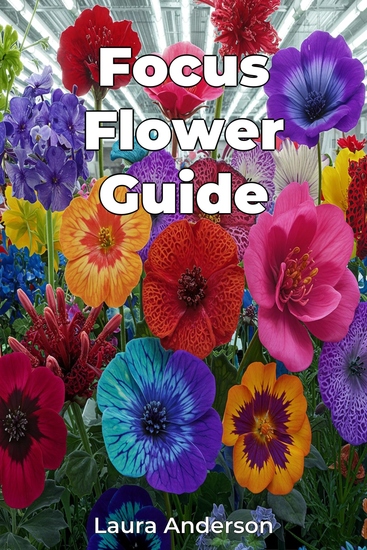
Focus Flower Guide explores the potential of flowering plants for natural cognitive enhancement. It bridges botany, neurobiology, and ethnobotany to present a comprehensive guide to plants that may improve concentration and cognitive function. The book delves into plant biochemistry, identifying active compounds, and examines how these compounds interact with the brain, offering a natural approach to focus.

 
The book progresses from foundational principles of plant biochemistry and neuropharmacology to detailed profiles of flowering plants and their concentration-enhancing properties. What sets this guide apart is its practical focus, offering actionable advice on how to identify, cultivate, and responsibly use these plants, including methods of preparation, dosage, and potential side effects. It highlights the importance of consulting healthcare professionals and promotes informed use.

 
Focus Flower Guide uniquely compiles research from peer-reviewed articles, botanical databases, and ethnobotanical studies, providing a unique perspective for students, researchers, herbalists, and anyone interested in scientifically-backed information about natural cognitive enhancement.
Available since: 02/27/2025.
Print length: 75 pages.
Other books that might interest you

  • Egyptian Burial Practices - From Tombs to Pyramids - cover

    Egyptian Burial Practices - From...

    Omar Khalil

    • 0
    • 0
    • 0
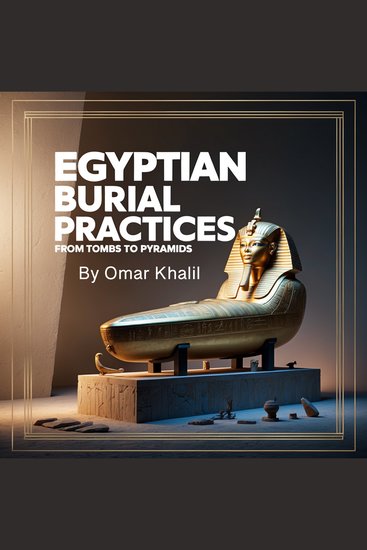
    The burial practices of ancient Egypt evolved significantly over millennia, reflecting changes in religious beliefs, social structures, and technological advancements. These practices were rooted in the belief in an afterlife, where the preservation of the body and the provision of necessary items were vital. From simple pit burials to grand pyramid constructions, the evolution of Egyptian burial customs offers valuable insights into the cultural and spiritual life of the civilization. 
    In the Predynastic period, burial customs were relatively simple, consisting of shallow pits in the desert sand. The dry, arid environment naturally mummified the bodies, preserving them for millennia. These early graves often contained personal belongings, such as pottery, jewelry, and tools, indicating a belief in a life beyond death. The positioning of the bodies, typically in a fetal position, also suggests a symbolic return to the womb, possibly signifying rebirth. 
    As Egypt unified and entered the Early Dynastic period, burial practices became more elaborate. The development of mastabas marked a significant shift in tomb architecture. These rectangular structures, made of mudbrick or stone, featured underground burial chambers and an above-ground offering chapel. Mastabas were primarily used by the elite, symbolizing their status and wealth. The inclusion of false doors and serdab chambers, which housed statues of the deceased, reflected the belief that the soul could interact with the living through offerings and rituals.
    Show book
  • Golden Word Children’s Stories - Audiobook Edition Read By Alicia - cover

    Golden Word Children’s Stories -...

    Carol Lee Purola

    • 0
    • 0
    • 0
    This audiobook is narrated by an AI Voice.   
    Golden Word Children's Stories is a compilation of Carol Lee Purola’s life works. These stories border the Christian faith and teach children of all ethnic backgrounds to be tolerant, kind and loving toward one another. This book is a wonderful tool to aid in the teaching/instilling of well rounded children of many cultures. 
    In this world full of hate & persecution, children need to be taught and instilled within, at a very young age, a firm background in right, wrong and healthy interaction with others, as well as good moral values... if you value many of the old fashioned ways of yesteryear and believe in subjecting your child to the simplicity of kindness, generosity and love... this book is a terrific example to start with, as it depicts family values and friendships as well as sparks these young minds imaginations as they begin toward constructive and creative venues. In a single word "Wholesome" best describes Golden Word Children's Stories. Pick up a copy for your child today!
    Show book
  • Exploring the Heart of Japan - A Cultural Odyssey from Tokyo to Kyoto - cover

    Exploring the Heart of Japan - A...

    Akiko Mori

    • 0
    • 0
    • 0
    "Exploring the Heart of Japan: A Cultural Odyssey from Tokyo to Kyoto" invites you on an unforgettable journey through Japan's soul-stirring landscapes, vibrant cities, and timeless traditions. This comprehensive travel guidebook is your passport to discovering the essence of Japan, from the bustling streets of Tokyo to the peaceful temples of Kyoto. 
    Featuring meticulously researched information, captivating narratives, and stunning photography, this guidebook provides everything you need to plan and navigate your adventure easily. Delve into each destination's rich history and cultural heritage, display hidden gems off the beaten path, and savor the flavors of Japan's world-renowned cuisine. 
    Whether you're exploring ancient temples in Kamakura, marveling at UNESCO World Heritage Sites in Nikko, or indulging in the electric atmosphere of Osaka's entertainment districts, "Exploring the Heart of Japan" is your trusted companion every step of the way. With insider tips, practical advice, and recommendations for accommodation, dining, and transportation, this guidebook ensures that your journey through Japan is as seamless as it is unforgettable. 
    Embark on a transformative odyssey through the heart of Japan and let "Exploring the Heart of Japan" guide you to unlocking this enchanting destination's magic.
    Show book
  • Entomology - The World of Insects - cover

    Entomology - The World of Insects

    Mike Crawford

    • 0
    • 0
    • 0
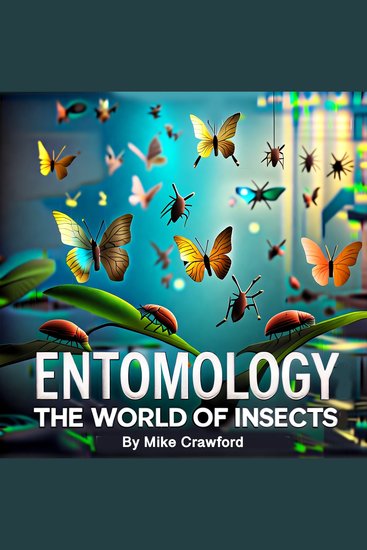
    Insects are among the most diverse and ecologically significant organisms on Earth, playing essential roles in maintaining the balance of ecosystems. As the largest group of living creatures, with millions of species identified and many more yet to be discovered, insects contribute to biodiversity, food webs, and ecosystem stability in ways that are often overlooked. Their presence and activities influence plant life, soil health, and the survival of countless other species, making them indispensable to natural processes. 
    One of the most crucial roles insects play is pollination. Many flowering plants, including a significant portion of the world’s crops, depend on insects such as bees, butterflies, and beetles to transfer pollen between flowers, enabling reproduction. Without insect pollinators, ecosystems would struggle to sustain plant diversity, and agricultural yields would decline drastically, threatening food supplies for both humans and wildlife. The economic and ecological value of insect pollination is immeasurable, reinforcing the importance of conserving pollinator populations. 
    In addition to pollination, insects are fundamental to decomposition and nutrient cycling. Species such as dung beetles, termites, and various flies break down organic matter, returning nutrients to the soil and promoting healthy plant growth. This process not only recycles essential elements but also prevents the accumulation of decaying material, contributing to ecosystem cleanliness and balance. By decomposing dead plants and animals, insects help maintain the natural cycle of life, supporting plant regeneration and sustaining the broader environment.
    Show book
  • Why Is Downing Street Painted Black?: And 364 Other Fun London Facts - cover

    Why Is Downing Street Painted...

    Jonnie Fielding

    • 0
    • 0
    • 0
    'Jonnie made me see London through new eyes.' James Corden 
    'A charming and surprising alternative tour of London. We loved this book' Map Men 
    Jonnie 'is a conduit for the city's soul, distilling its chaotic history into digestible, engaging narratives' The Times 
    Have you ever tried to find a street named Bond Street? (Spoiler alert: it doesn’t exist!)  
    Did you know you can’t dine for 13 at the Savoy? At least not without a cat joining you … 
    And have you heard about the bus that jumped Tower Bridge? 
    As a walking tour guide for 15 years, Jonnie Fielding has made it his mission to uncover all there is to know about London, from forgotten facts to the history hiding in plain sight. 
    Packed full of pub-quiz trivia and bespoke illustrations, Why Is Downing Street Painted Black? includes 365 of his favourite quirks, anomalies and eccentricities from all over town. 
    So whether you live in London, would love to live in London or just love a great fun fact, Jonnie is guaranteed to reignite your fascination with this weird and wonderful city. 
    In his latest, up-coming book, Jonnie Fielding presents a humorous and historical exploration of Britain's geography. This top reference work delves into the civilisation and form of Europe in a unique way. 
    nan 
    HarperCollins 2025
    Show book
  • Vijayanagara Empire - Hampi's Glorious Past and the Last Hindu Kingdom - cover

    Vijayanagara Empire - Hampi's...

    Rolf Hedger

    • 0
    • 0
    • 0
    The Vijayanagara Empire emerged as one of the most significant and powerful dynasties in Indian history, rising at a time when the Indian subcontinent was fragmented and facing threats from expanding Islamic sultanates. Its foundation in the 14th century was a turning point that not only established a strong Hindu kingdom in southern India but also laid the groundwork for a cultural and economic renaissance. 
    The origins of Vijayanagara trace back to the political instability of the Deccan region. The Delhi Sultanate had extended its influence into the south, leading to the weakening of older Hindu kingdoms such as the Kakatiyas, Hoysalas, and Pandyas. Amid this turmoil, two brothers, Harihara and Bukka, originally serving under the Kakatiya rulers, rose to prominence. After being captured and later released by the Delhi Sultanate, they sought guidance from the sage Vidyaranya, who inspired them to establish a strong Hindu kingdom to resist further invasions. In 1336, they founded the city of Vijayanagara on the banks of the Tungabhadra River, marking the birth of the empire. 
    From its inception, the Vijayanagara Empire was strategically positioned to thrive. The Tungabhadra River provided a natural defensive barrier, while the rocky terrain of Hampi served as a formidable protection against enemy invasions. The early rulers focused on consolidating power, expanding their territories, and strengthening their military capabilities. Under Harihara I, the empire extended its control over parts of Karnataka and Andhra Pradesh, securing key trade routes and fortifying its defenses.
    Show book