Join us on a literary world trip!
Add this book to bookshelf
Grey
Write a new comment Default profile 50px
Grey
Subscribe to read the full book or read the first pages for free!
All characters reduced
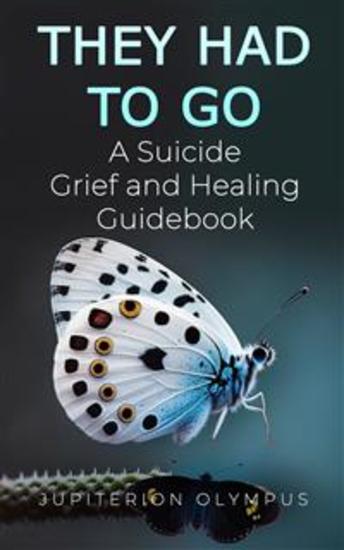
They Had To Go: A Suicide Grief and Healing Guidebook - cover

They Had To Go: A Suicide Grief and Healing Guidebook

Jupiterion Olympus

Publisher: Abrams Publishing House

  • 0
  • 0
  • 0

Summary

"Find peace and acceptance in the belief that it was your loved one's time, and that sometimes, despite our best efforts, things are simply out of our control."

Losing someone to suicide can often leave loved ones feeling a sense of guilt and helplessness.

It's important to remember that suicide is a complex and multifaceted issue, and that you did everything you could at the time with the resources you had.

"They Had To Go: A Suicide Grief and Healing Guidebook" offers a safe space to explore these difficult feelings and find a path towards healing.

This guide provides a message of hope and inspiration, acknowledging that the loss of a loved one to suicide is an incredibly difficult and painful experience, but also reminding us that there is no one to blame.

•    Navigate the emotional and psychological effects of suicide grief.
•    Reduce stigma and shame surrounding suicide loss
•    Connect with a community of survivors
•    Raise awareness of suicide prevention
•    Move forward with hope and healing and more

It is packed with practical tools and strategies to help you navigate the emotional and psychological effects of suicide loss, and raise awareness about mental health resources and suicide prevention.

With "They Had To Go," you'll find the inspiration to move forward with hope and healing beyond the pain of suicide grief.
Available since: 09/23/2024.
Other books that might interest you

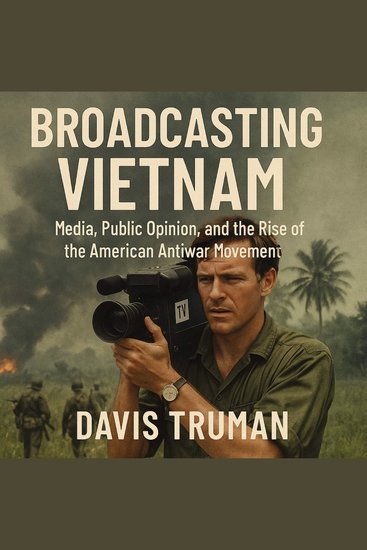
  • Broadcasting Vietnam - Media Public Opinion And The Rise Of The American Antiwar Movement - cover

    Broadcasting Vietnam - Media...

    Davis Truman

    • 0
    • 0
    • 0
    This audiobook is narrated by an AI Voice.   
    "Broadcasting Vietnam" offers a powerful and deeply human look at one of the most controversial wars in modern history and how it was brought into the living rooms of America. With an unflinching eye on the role of mass media, Davis Truman examines how televised images, frontline reporting, and photojournalism contributed to turning the tide of public opinion and fueling one of the most significant protest movements in U.S. history. 
    From the revolutionary leadership of Ho Chi Minh and the early days of conflict to the escalating American involvement and the devastating use of napalm and chemical weapons, this book chronicles the Vietnam War in vivid detail. Through chapters like "Napalm Girl" and "War and Mass Media," Truman highlights the undeniable impact of iconic moments that shocked a nation and galvanized a generation. 
    Combining historical analysis with cultural insight, Truman also explores the long-term consequences of the war, including its profound impact on American society, politics, and public trust. This is not just a book about war. It's a story about how information, images, and voices changed the course of history. 
    Bold, gripping, and unflinchingly honest, Broadcasting Vietnam is essential reading for anyone seeking to understand the power of media in shaping truth, perception, and resistance.
    Show book
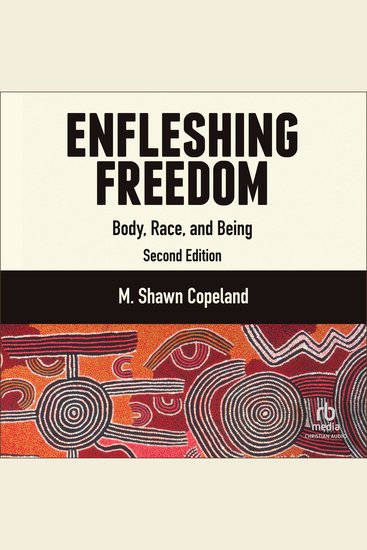
  • Enfleshing Freedom - Body Race and Being Second Edition - cover

    Enfleshing Freedom - Body Race...

    M. Shawn Copeland

    • 0
    • 0
    • 0
    The achievement of our humanity comes about only through immersion in concrete, visceral, embodied relational experience, yet for many human beings, that achievement is stamped by the struggle against oppression in history, society, and religion. In this incisive and important work, distinguished theologian M. Shawn Copeland demonstrates with rare insight and conviction how Black women's historical experience and oppression cast a completely different light on our theological ideas about being human. Copeland argues that race, embodiment, and relations of power reframe not only theological anthropology but also our notions of discipleship, church, Eucharist, and Christ. Enfleshing Freedom is a work of deep moral seriousness, rigorous speculative skill, and sharp theological reasoning. This new edition incorporates recent theological, philosophical, historical, political, and sociological scholarship; engages with current social movements like #BlackLivesMatter and #MeToo; and presents a new chapter on the body.
    Show book
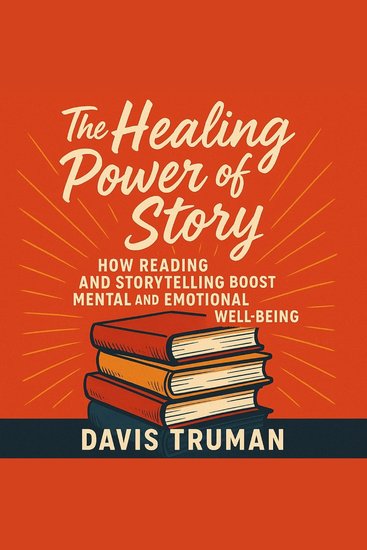
  • The Healing Power of Story - How Reading and Storytelling Boost Mental and Emotional Well-Being - cover

    The Healing Power of Story - How...

    Davis Truman

    • 0
    • 0
    • 0
    This audiobook is narrated by an AI Voice.   
    In an age of noise, anxiety, and endless distractions, The Healing Power of Story offers a refreshing, science-backed path to inner peace and emotional strength through the timeless act of storytelling. 
    Whether it's reading a novel, sharing personal memories, or listening to others' lived experiences, stories shape who we are. But they also heal. 
    In this powerful and inspiring book, Davis Truman explores how storytelling taps into our deepest emotions, rewires our brains, and fosters resilience, empathy, and a sense of meaning. Drawing on the latest psychological research, compelling case studies, and practical exercises, Truman reveals how both reading and telling stories can: 
    •	Reduce stress, anxiety, and depression 
    •	Strengthen memory and emotional regulation 
    •	Build deeper connections and empathy 
    •	Help process grief, trauma, and life transitions 
    •	Reignite creativity and purpose 
    Whether you're a book lover, therapist, teacher, parent, or someone longing for hope and connection, The Healing Power of Story is your guide to transforming how you think, feel, and relate to the world. 
    Open a book. Share your story. Heal your life.
    Show book
  • Nakano Takeko - cover

    Nakano Takeko

    History Nerds

    • 0
    • 0
    • 0
    In the turbulent twilight of the Samurai era, when Japan was gripped by the Boshin War, one woman rose to embody the spirit of bushido with unparalleled courage and indomitable will. "Nakano Takeko" is an exciting historical biography that delves into the life and legacy of Nakano Takeko, the extraordinary female warrior whose name became synonymous with bravery and honor. 
    Born into a samurai family in the mid-19th century, Nakano Takeko was trained in the art of war from a young age, mastering the deadly naginata with a skill that rivaled her male counterparts. As Japan teetered on the edge of a new era, Takeko found herself drawn into the heart of the conflict. Rejecting the traditional roles prescribed to women of her time, she carved her own path on the battlefield, leading a group of women warriors, the Jōshitai, in a courageous stand against the imperial forces during the Battle of Aizu. 
    "Nakano Takeko" is more than just a biography; it is a testament to the resilience and spirit of a true warrior. It celebrates the life of a woman who defied societal norms, leaving an indelible mark on history. Her story is one of inspiration, courage, and the relentless pursuit of honor, making this book a must-read for history enthusiasts, admirers of strong female figures, and anyone captivated by the samurai legacy. 
    Prepare to be immersed in a tale of valor and determination that will leave you in awe of Nakano Takeko's enduring legacy.
    Show book
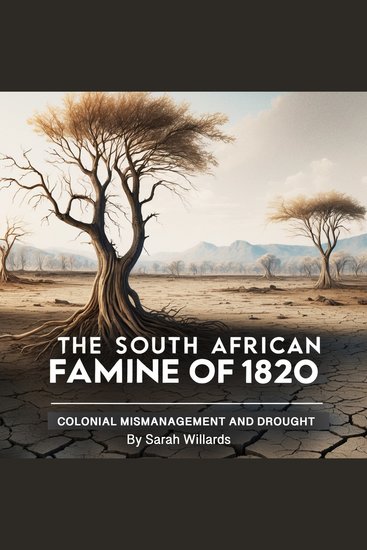
  • The South African Famine of 1820 - Colonial Mismanagement and Drought - cover

    The South African Famine of 1820...

    Sarah Willards

    • 0
    • 0
    • 0
    In the early 19th century, South Africa was a land marked by contrasts—fertile valleys and arid plains, indigenous traditions and growing colonial ambition. The region most affected by the famine of 1820 was the Cape Colony, which had come under British control in 1806. This colony served as a strategic resupply point for British ships sailing to and from the East Indies, and it was gradually becoming a hub for European settlement, particularly by the Dutch-descended Boers and British immigrants arriving as part of state-sponsored schemes. These settlers introduced European agricultural practices, often ill-suited to the diverse and unpredictable South African climate. 
    The colony’s geography played a significant role in shaping life and livelihoods. Coastal areas received more rainfall and were relatively fertile, while the interior—known as the Karoo and other semi-arid zones—was prone to drought and soil erosion. Farming communities depended heavily on seasonal rainfall to sustain crops such as wheat, maize, and barley, as well as livestock including sheep and cattle. When these rains failed, communities faced immediate and severe consequences, especially in regions where irrigation infrastructure was minimal or nonexistent. 
    The social landscape of the Cape was equally complex. Indigenous groups such as the Xhosa, Khoikhoi, and San had long adapted to the challenges of the land through mixed economies of herding, gathering, and small-scale farming. Their interaction with European settlers was often strained, marked by competition over land and water sources, cultural misunderstandings, and colonial policies that marginalized local traditions and governance structures.
    Show book
  • What the Hell - How Wittgenstein Made Philosophy Even More Confusing While Claiming to Solve Everything - cover

    What the Hell - How Wittgenstein...

    Sophia Blackwell

    • 0
    • 0
    • 0
    Finally, a philosophy book that won't make you contemplate throwing yourself into the abyss! " WHAT THE HELL" tears into Ludwig Wittgenstein—history's most insufferable genius—with savage wit and zero academic pretension. 
    Journey through the mind-bending contradictions of a trust-fund philosopher who claimed to solve all philosophical problems (twice!), while making everyone around him miserable. Discover how a man who couldn't maintain a single healthy relationship somehow revolutionized our understanding of language, meaning, and communication. 
    From his early days writing numbered lists so pretentious they make Instagram influencers look humble, to his later career interrupting people to tell them they're using words wrong, this book exposes Wittgenstein in all his paradoxical glory. You'll laugh, you'll cry, you'll question whether language has any meaning at all—just like Ludwig wanted! 
    Whether you're a philosophy student desperately seeking comic relief, or simply enjoy watching neurotic geniuses get thoroughly roasted, this irreverent guide proves that even the most profound philosophical insights can come from someone you'd absolutely hate to be seated next to at dinner. Warning: Reading this book in public may cause uncontrollable snorting in libraries and concerned looks from serious academics.
    Show book