Junte-se a nós em uma viagem ao mundo dos livros!
Adicionar este livro à prateleira
Grey
Deixe um novo comentário Default profile 50px
Grey
Assine para ler o livro completo ou leia as primeiras páginas de graça!
All characters reduced
Mac Flecknoe - cover
LER

Mac Flecknoe

John Dryden

Editora: CLXBX

  • 0
  • 0
  • 0

Sinopse

Mac Flecknoe is a satirical masterpiece by John Dryden, widely regarded as one of the greatest examples of literary mockery in English literature. Written in 1682, this brilliant poem humorously attacks the poet Thomas Shadwell, portraying him as the heir to the throne of dullness. Through sharp wit, clever wordplay, and biting irony, Dryden exposes Shadwell's literary shortcomings while demonstrating his own mastery of satire and poetic technique.

The poem combines humor with pointed criticism, using the conventions of heroic verse to mock mediocrity and celebrate artistic excellence. Mac Flecknoe is not just a personal attack; it is a sophisticated commentary on the standards of taste, creativity, and intellectual rigor in Restoration literature. Readers encounter a parade of absurdities, over-the-top characterizations, and hilarious exaggerations, all designed to entertain while showcasing Dryden's formidable command of language.

Whether you are a lover of classic literature, satire, or the history of English poetry, Mac Flecknoe offers a timeless glimpse into the art of mock-heroic writing and the literary rivalries of the 17th century. Its wit, style, and incisive commentary continue to resonate, making it a must-read for anyone interested in the power of satire to challenge mediocrity and celebrate talent.
Disponível desde: 29/03/2026.
Comprimento de impressão: 14 páginas.
Outros livros que poderiam interessá-lo

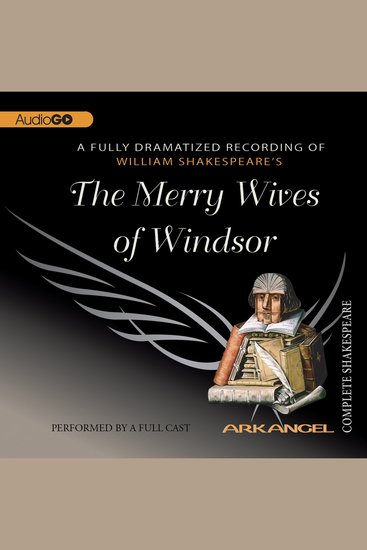
  • The Merry Wives of Windsor - cover

    The Merry Wives of Windsor

    William Shakespeare, E.A. Copen,...

    • 0
    • 0
    • 0
    It is said that Queen Elizabeth gave Shakespeare two weeks to write this play that showcases her favorite comedic character, Sir John Falstaff.  
    The dissolute Falstaff plans to seduce Mistress Ford and Mistress Page, two "Merry Wives of Windsor," thereby gaining access to their husbands' wealth. The two women have the old rogue's measure, however, and Falstaff's plots lead only to his own humiliation. But the merry wives themselves fall prey to plotting as their plans to prevent Mistress Page's daughter Anne from marrying the young man she loves are frustrated in their turn. 
    Dinsdale Landen is Falstaff. Sylvestra Le Touzel plays Mistress Ford and Penny Downie is Mistress Page. Nicholas Woodeson is Ford, Phillip Jackson is Page, and Clive Swift plays Justice Shallow.
    Ver livro
  • The River House - cover

    The River House

    GIANLUCA ARRIGHI

    • 0
    • 0
    • 0
    Biagio Martini is a successful lawyer. But he fears thunderstorms, and the memory of what happened in the old house by the river, when he was a child, corrodes his soul. Agata Rubino, on the other hand, is a fearless and courageous woman. She fears nothing as she hunts down the one who destroyed her life. Biagio and Agata do not know each other, they have never met; they do not know that their destinies are about to intertwine in an inexorable way.
    Ver livro
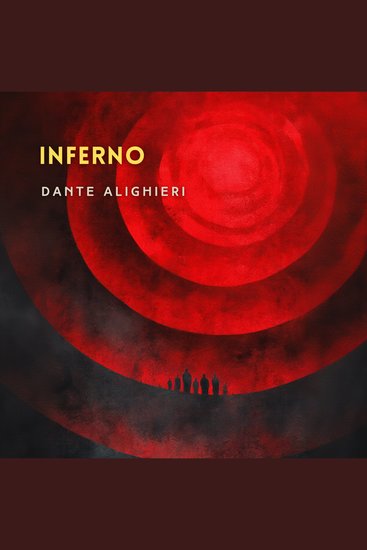
  • Inferno - cover

    Inferno

    Dante Alighieri

    • 0
    • 0
    • 0
    Dante Alighieri’s Inferno is the first part of The Divine Comedy, a poetic journey through Hell. Guided by the Roman poet Virgil, Dante travels through nine concentric circles of torment, each punishing souls according to the gravity of their sins—from lust and gluttony to treachery and betrayal. As he descends deeper into the frozen core where Satan resides, Dante confronts the consequences of moral corruption and divine justice. A profound allegory of spiritual crisis and redemption, Inferno blends vivid imagery, classical philosophy, and Christian theology to explore human sin, repentance, and the soul’s path toward God.
    Ver livro
  • The Weight of Wanting - cover

    The Weight of Wanting

    Eduarda Morais

    • 0
    • 0
    • 0
    This audiobook is narrated by an AI Voice. A story telling throughout poetry is what you'll find here. This book wasn't planned or meticulously well thought, simply flowed out of my heart. You'll dive into eight months of discovery, confusion, adventure and romance between two young people with completely different backgrounds and everything that lies in between. "The Weight of Wanting” is split in six chapters: in silence, in dreams, in flames, in tears, in her, in me.
    Ver livro
  • The Ballad of a Nun - A decadent poet describes a young womans struggle between religion and life - cover

    The Ballad of a Nun - A decadent...

    John Davidson

    • 0
    • 0
    • 0
    John Davidson was born at Barrhead, East Renfrewshire on 11th April 1857.  
    In 1862 his family moved to Greenock and there he began his education at Highlanders' Academy.  Davidson would now spend many years at school and the beginnings of a career in various industries before gaining employment in various schools. 
    By now literature was a large part of his activities and his first published work was ‘Bruce, A Chronicle Play’ in 1886. Four other plays quickly followed including the somewhat brilliant pantomimic ‘Scaramouch in Naxos’ (1889). 
    With his reputation gradually providing an income he was also able to explore his true medium; Verse.  ‘In a Music Hall and Other Poems’ (1891) together with ‘Fleet Street Eclogues’ (1893) were ample proof that he possessed a quite rare, genuine and distinctive poetic gift.   
    Davidson now turned further and further towards verse. In 1894 he published his most popular volume, ‘Ballads and Songs’ (1894), and this was followed by a further ‘Fleet Street Eclogues’ (Second Series) (1896) and by ‘New Ballads’ (1897) and ‘The Last Ballad’ (1899). 
    As the new century dawned Davidson was hard at work on a series of ‘Testaments’, in which he gave definite expression to his philosophy and were published over a seven year period; ‘The Testament of a Vivisector’ (1901), ‘The Testament of a Man Forbid’ (1901), ‘The Testament of an Empire Builder’ (1902), and ‘The Testament of John Davidson’ (1908).  
    However, on 23rd March 1909, with his finances in ruins, the onset of cancer and profound hopelessness and clinical depression he left his house for the last time.  His body was only found on September 18th by some local fishermen.
    Ver livro
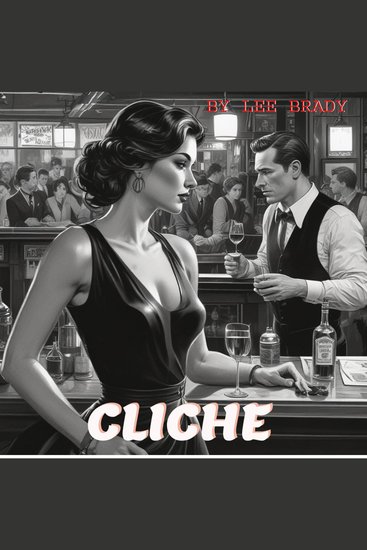
  • cliche - cover

    cliche

    Lee Brady

    • 0
    • 0
    • 0
    A chance meeting between a performance artist and a bartender at a bar sparks some intriguing insights.
    Ver livro