Junte-se a nós em uma viagem ao mundo dos livros!
Adicionar este livro à prateleira
Grey
Deixe um novo comentário Default profile 50px
Grey
Assine para ler o livro completo ou leia as primeiras páginas de graça!
All characters reduced
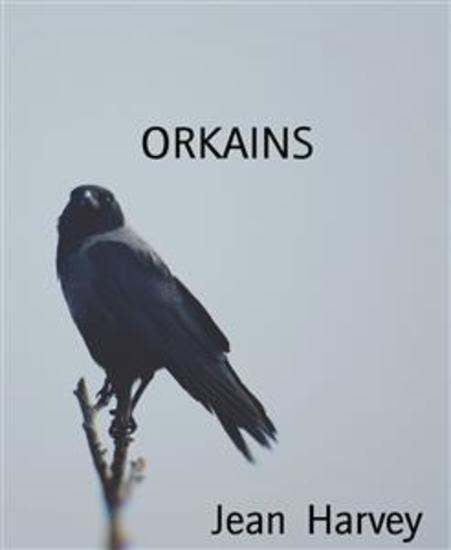
Orkains - cover
LER

Orkains

Jean Harvey

Editora: BookRix

  • 0
  • 0
  • 0

Sinopse

Jean Harvey has again produced a lyric masterpiece.With "ORKAINS" she is once again putting English texts on paper in her usual way after a long time.Clear, honest and authentic.
Disponível desde: 22/12/2023.
Comprimento de impressão: 25 páginas.

Outros livros que poderiam interessá-lo

  • King Henry IV Part 2 - cover

    King Henry IV Part 2

    William Shakespeare

    • 0
    • 0
    • 0
    Henry IV, Part 2 is a history play by William Shakespeare, believed written between 1596 and 1599. It is the third part of a tetralogy, preceded by Richard II and Henry IV, Part 1 and succeeded by Henry V.  The play picks up where Henry IV, Part 1 left off. Its focus is on Prince Hal's journey toward kingship and his ultimate rejection of Falstaff.  (Summary from Wikipedia) 
    Characters: 
    Rumour the Presenter and Lady Percy: Cecelia PriorKing Henry IV: Mark F. SmithHenry, Prince of Wales, afterwards King Henry V: Max Porter ZasadaPrince John of Lancaster: Brian EdwardsPrince Humphrey of Gloucester: Simon LaroisThomas, Duke of Clarence: AleithiaEarl of Northumberland: Lisa WilsonScroop, Archbishop of York: Vin ReillyLord Mowbray: Ellis ChristoffLord Hastings: hefydLord Bardolph: David LeesonSir John Colville, Silence, Second Drawer, and Porter: SilenceTravers, Shadow, and Bullcalf: Daniel HuttonMorton and Shallow: David NicolEarl of Warwick: Aaron Elliott & mbEarl of Westmoreland: Larysa JaworskiGower: Miriam Esther GoldmanHarcourt: Jennifer StearnsLord Chief Justice and First Groom: Lars RolanderBardolph and Servant: David LawrenceSir John Falstaff: John LiederEdward Poins: Bellona TimesPistol: Lorelle AndersonPeto: Matthew WardPage and Dancer (Epilogue): Laurie Anne WaldenDavy, Mouldy, and Fang: Fr. Richard ZeileSnare: Anna SimonThomas Wart: Lucy PerryFrancis Feeble: Cori SamuelFrancis, a drawer; Second and Third Grooms: Barry EadsLady Northumberland: BrianaBirdHostess Quickly: Rosalind WillsDoll Tearsheet: <a hr
    Ver livro
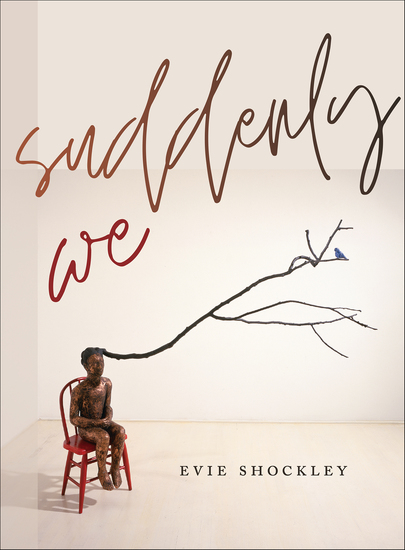
  • suddenly we - cover

    suddenly we

    Evie Shockley

    • 0
    • 0
    • 0
    Finalist for the 2024 National Book Award for PoetryIn her new poetry collection, Evie Shockley mobilizes visual art, sound, and multilayered language to chart routes towards openings for the collective dreaming of a more capacious "we." How do we navigate between the urgency of our own becoming and the imperative insight that whoever we are, we are in relation to each other? Beginning with the visionary art of Black women like Alison Saar and Alma Thomas, Shockley's poems draw and forge a widening constellation of connections that help make visible the interdependence of everyone and everything on Earth.perchedi am black, comely,a girl on the cusp of desire.my dangling toes take the restthe rest of my body refuses. spine upright,my pose proposes anticipation. i poisein copper-colored tension, intent onmanifesting my soul in the discouraging world.under the rough eyes of others, i stiffen.if i must be hard, it will be as a tree, alivewith change. inside me, a love of beauty riseslike sap, sprouts from my scalpand stretches forth. i send out my song, an ariablue and feathered, and grow toward it,choirs bare, but soon to bud. i amblack and becoming.         —after Alison Saar's Blue Bird
    Ver livro
  • The House on the Hill - cover

    The House on the Hill

    Edwin Arlington Robinson

    • 0
    • 0
    • 0
    LibriVox volunteers bring you 16 different recordings of The House on the Hill by Edwin Arlington Robinson. This was the weekly poetry project for the week of September 30th, 2007.
    Ver livro
  • Icelight - cover

    Icelight

    Ranjit Hoskote

    • 0
    • 0
    • 0
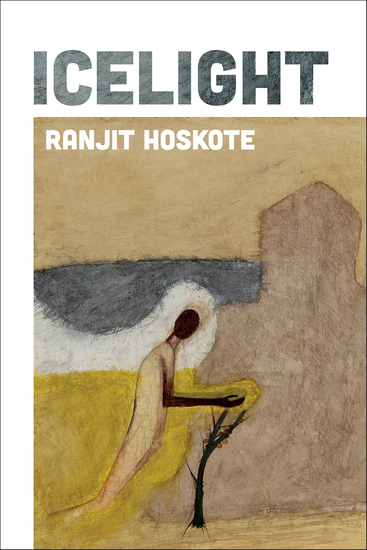
    Icelight, Ranjit Hoskote's eighth collection of poems, enacts the experience of standing at the edge—of a life, a landscape, a world assuming new contours or going up in flames. Yet, the protagonists of these poems also stand at the edge of epiphany. In the title poem, we meet the Neolithic cave-dweller who, dazzled by a shapeshifting nature, crafts the first icon. The 'I' of these poems is not a sovereign 'I'. A questing, questioning voice, it locates itself in the web of life, in relation to the cosmos. In 'Tacet', the speaker asks: "What if I had/ no skin/ Of what/ am I the barometer?" Long committed to the Japanese mono no aware aesthetic, Hoskote embraces talismans, premonitions, fossils: active residues from the previous lives of people and places. Icelight is a book about transitions and departures, eloquent in its acceptance of transience in the face of mortality. AubadeRumours of wind, banners of cloud.The low earth shakes but the stormhas not arrived. You packfor the journey, look up, look throughthe doors at trees shedding their leavestoo soon, a track on which silk shoeswould be wasted, a moonstill dangling above a boat.Wearing your salt mask, you facethe mulberry shadows.The valley into whichyou're rappellingis you.
    Ver livro

  • The Importance of being earnest - cover

    The Importance of being earnest

    Oscar Wilde

    • 0
    • 0
    • 0
    The Importance of Being Earnest is a play by Oscar Wilde that mocks the culture and manners of Victorian society. It is a farcical comedy that relies on satire and a comic resolution to make that mockery more palatable to viewers. The play is about friends Jack and Algernon's double-lives interfering with their romantic pursuits. It is considered Wilde’s greatest dramatic achievement and a satire of Victorian social hypocrisy.Robin
    Ver livro
  • Much Ado About Nothing - cover

    Much Ado About Nothing

    William Shakespeare

    • 0
    • 0
    • 0
    Shakespeare wrote Much Ado About Nothing towards the middle of his career, sometime between 1598 and 1599. It was first published in quarto in 1600 and later collected into Mr. William Shakespeare's Comedies, Histories, and Tragedies in 1623. The earliest recorded performance of Much Ado About Nothing was performed for the newly-married Princess Elizabeth and Frederick the Fifth, Elector Palatine in 1613.
    Shakespeare's sources of inspiration for this play can be found in Italian culture and popular texts published in the sixteenth century. Gossip involving lovers deceived into believing each other false was often spread throughout Northern Italy. Works like Ludovico Ariosto's Orlando Furioso and Edmund Spencer's Fearie Queene also feature tricked lovers like Claudio and Hero. Besides these similarities, the idea of tricking a couple like Benedick and Beatrice into falling in love was an original and unusual idea at the time.
    The play focuses on two couples: upon the noblemen's return to Messina, Claudio and Hero quickly fall in love and wish to marry in a week; on the contrary, Benedick and Beatrice resume their verbal war, exchanging insults with each other. To pass the time prior to the marriage a plot to trick Benedick and Beatrice into falling in love has been set in motion. Unbeknownst to both our couples, a fouler plot to crush the love and happiness between Hero and Claudio has also begun to unfold.
    Ver livro