Join us on a literary world trip!
Add this book to bookshelf
Grey
Write a new comment Default profile 50px
Grey
Subscribe to read the full book or read the first pages for free!
All characters reduced
Richard of Jamestown - A Story of the Virginia Colony - cover

Richard of Jamestown - A Story of the Virginia Colony

James Otis

Publisher: Good Press

  • 0
  • 0
  • 0

Summary

In "Richard of Jamestown," James Otis crafts a compelling historical narrative centered around the life of a young boy in the early 17th century, as he navigates the challenges and adventures of colonial America. Otis employs a vivid, accessible style that blends rich descriptions with dialogue, allowing readers to immerse themselves in the vivid realities of Jamestown's founding. This work not only captures the spirit of exploration and survival but also integrates themes of friendship, loyalty, and the struggle for identity amidst cultural clashes, situating the novel within the larger context of American historical fiction aimed at young readers. James Otis was deeply influenced by the prevailing spirit of nationalism and his interest in American history, which emerges from his background as an educator and a writer dedicated to instilling civic virtue in youth. His exploration of characters from earlier American history reflects his commitment to imparting moral lessons and fostering a sense of connection to the nation's past. Otis'Äôs enthusiasm for storytelling and his pedagogical inclinations heighten the educational value of this historical narrative. "Richard of Jamestown" is recommended for readers who seek an engaging introduction to American colonial history through the eyes of a relatable protagonist. This novel not only serves as a delightful read but also offers valuable insights into the formative experiences that shaped America, making it a must-read for both young audiences and history enthusiasts.
Available since: 11/10/2023.
Print length: 74 pages.

Other books that might interest you

  • Technology and Work - Revealing the Impact of Technology and Workplace Dynamics (4 in 1) - cover

    Technology and Work - Revealing...

    Zoey Fraisers

    • 0
    • 0
    • 0
    Prepare to see your professional and digital life through an entirely new lens. 
    In this groundbreaking collection, we examine the hidden forces reshaping our workplaces and technological experiences. Drawing from extensive research and firsthand accounts, this comprehensive guide equips you with crucial insights that could transform your career trajectory, digital habits, and overall wellbeing. 
    THE SHOCKING TRUTH ABOUT WORKPLACE HARASSMENT 
     The systemic patterns enabling harassment to persist in modern organizations and the institutional failures that protect perpetrators. Uncover the documented tactics used to silence victims, the real costs beyond lawsuits, and actionable strategies to create genuinely safe work environments. 
    THE SHOCKING TRUTH ABOUT WORK ETHICS 
     How corporate culture manipulates employees through weaponized values and hollow mission statements. Learn to identify toxic productivity demands, recognize when loyalty is exploited, and develop personal boundaries that protect your wellbeing while advancing your career on your terms. 
    THE SHOCKING TRUTH ABOUT TECHNOLOGY ADDICTION 
     The deliberate design choices that keep you scrolling, clicking, and engaged beyond healthy limits. Discover the neurological impacts of constant connectivity, the data collection occurring during every interaction, and practical methods to reclaim your attention and mental space. 
    THE SHOCKING TRUTH ABOUT ONLINE EDUCATION 
     The gap between educational promises and outcomes in the digital learning revolution. Explore how credentials are being commodified, attention spans undermined, and which approaches actually deliver meaningful learning experiences versus those designed primarily for profit. 
    Stop accepting workplace dysfunction and technological manipulation as inevitable.
    Show book
  • Emotional Intelligence Collection 2 books in 1 - Control Your Emotions and Make them Work in Your Favor Includes 8 CBT Practices to Reconstruct Your Psyche and Exercises to Improve Self-Management - cover

    Emotional Intelligence...

    ASTRID HUNT

    • 0
    • 0
    • 0
    Do you often feel overwhelmed and controlled by your emotions? Do you feel like most of your relationships are disappointing, empty or maybe even painful? Then you need to keep reading... 
      
    This includes two books:Emotional Intelligence: Discover how to develop emotional awareness, EQ, and social intelligence, even if you're a clueless beginner.Cognitive Behavioral Therapy: Reshape your brain to eliminate anxiety, depression, and negative thoughts in just 14 days. 
    Here's a short preview of what you'll discover:How to shift your self-awareness and gain a strong self-reflection with some tests designed by experts. (Discover facts about yourself that you've never heard before and learn how to NEVER lose control of your emotional reactions again!)Essential hacks to analyze and improve any romantic, familial, or professional relationship in your life.Little-known exercises to improve your self-management and learn IMMEDIATELY how to deal with stress, even during hard times.How to have a better understanding and solve any disagreement at once.How to use CBT to deal successfully with other conditions such as insomnia, low self-esteem, and anger management.How to feel IMMEDIATELY better with some expert techniques when you're experiencing anxiety or emotional triggers. (Discover effective self-regulating tools and start attracting the reality of your dreams NOW!) 
    And much, much more... 
    So if you want to access the tools only known to leaders in the field, and find total freedom from the past, you should start this book today!
    Show book
  • African Myths and Legends - Exploring the Rich History of African Folklore - cover

    African Myths and Legends -...

    Odessa Nightshade

    • 0
    • 0
    • 0
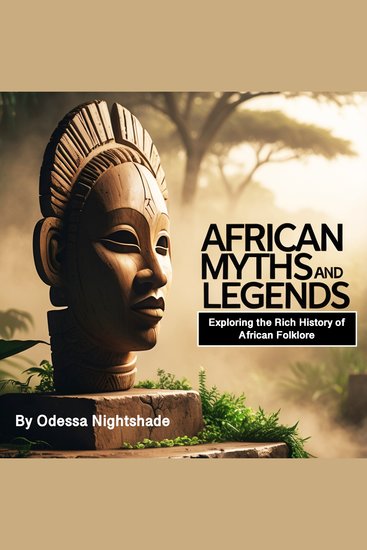
    African mythology is a vast and intricate tapestry woven from the oral traditions of countless ethnic groups across the continent. Unlike written records, these stories have been passed down through generations by storytellers, elders, and spiritual leaders who use them to explain the world, instill moral values, and preserve the history of their people. The myths and legends of Africa are deeply connected to the land, the ancestors, and the spiritual beliefs that guide daily life. They reflect not only the diversity of the continent but also the shared themes that bind its cultures together.  
    Myths in African societies serve multiple functions beyond simple entertainment. They provide explanations for natural phenomena, such as the origins of the sun, moon, and stars, as well as the formation of rivers and mountains. Many myths are also tied to religious beliefs, detailing the actions of gods, spirits, and ancestors who shape the destiny of human beings. These stories help maintain social order by offering lessons about morality, justice, and respect for tradition. In many communities, mythology is a central aspect of spiritual life, reinforcing the belief that the unseen world is just as real and influential as the physical one.  
    Oral tradition is the primary vehicle for preserving African myths and legends. Storytelling is an art form, often accompanied by music, dance, and dramatic performance. The storyteller, known in some cultures as a griot, holds a respected position in society, responsible for keeping the wisdom of the past alive. These narratives evolve over time, adapting to new circumstances while retaining their core lessons. Because of this, African folklore is dynamic, shaped by the voices of those who tell and retell the stories. 
    Show book
  • The 1960's - A Decade of Change Revolution Resistance and Reform - cover

    The 1960's - A Decade of Change...

    Harry Montgomery

    • 0
    • 0
    • 0
    The 1960s opened with a sense of cautious optimism in America. Following the stability of the postwar 1950s, the country was on the brink of transformation. The seeds of change were being planted by a young and increasingly restless population. The rise of youth culture signaled a break from the conservatism of their parents’ generation. Young people began questioning authority, traditional values, and the social norms that had shaped American life for decades. Television became a powerful force in shaping ideas, music spread messages of rebellion, and college campuses buzzed with debates over justice and freedom. Teenagers and young adults embraced new forms of expression, setting the stage for a cultural revolution. 
    At the heart of this evolving decade was the civil rights movement, which had already begun stirring in the 1950s. In the early years of the sixties, the push for racial justice gained momentum, marked by nonviolent protests, sit-ins, and mass marches. African Americans, particularly in the South, fought against systemic racism and demanded equal treatment under the law. Martin Luther King Jr. became a prominent voice during this time, advocating for civil disobedience and peaceful protest. As the movement grew, so did the urgency for legislation that would challenge segregation and discrimination. The activism of this period began to awaken a broader consciousness about social injustice, laying the groundwork for other rights movements to follow. 
    On the global stage, the Cold War continued to cast a long shadow over American life. The rivalry between the United States and the Soviet Union defined much of the political atmosphere. The threat of nuclear conflict loomed, and the government’s efforts to contain communism influenced both foreign and domestic policy.
    Show book
  • Daily Roman Life - How Ordinary Citizens Lived Worked and Worshiped (3 in 1) - cover

    Daily Roman Life - How Ordinary...

    Rogan Fish

    • 0
    • 0
    • 0
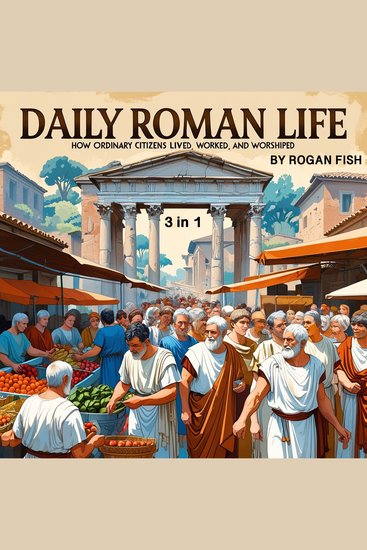
    This bundle of books brings the ancient world of Rome to life by immersing readers in the everyday experiences of its people. Far from the battles and politics that dominate history books, this volume explores how Roman citizens spent their days—from bustling markets in the forum to quiet evenings with family in modest insula apartments or rural villas. Readers will gain insight into the structure of Roman homes, the diet of the average citizen, and the significance of clothing, hygiene, and household roles in shaping Roman identity. 
    The second part of the book focuses on work and social structure. Whether farmers in the countryside, artisans in the city, or traders in the empire’s vast markets, Romans occupied a wide range of roles. The influence of slaves, apprenticeships, and labor guilds is discussed alongside the rising middle class and their contributions to the Roman economy. Readers will also learn about education for boys and girls, how marriage and divorce functioned, and the importance of public spaces like bathhouses, theaters, and circuses in daily life. 
    The final section explores Roman religious life—both public and private. From ancestor worship at household shrines to elaborate temple ceremonies for gods like Jupiter, Venus, and Mars, religion permeated every aspect of Roman existence. This section also covers omens, superstitions, and the Roman calendar of festivals that blended spirituality with community. Daily Roman Life presents a vivid portrait of a complex, vibrant society—reminding us that behind every empire are the lives of ordinary people who cooked, prayed, worked, and dreamed.
    Show book
  • Making of Modern India The: The History of India from the Middle Ages to Independence from Britain - cover

    Making of Modern India The: The...

    Editors Charles River

    • 0
    • 0
    • 0
    India has been the location of many different empires throughout its long history. The Indus Valley Civilization was home to one of the world’s first civilizations more than 5,000 years ago, which was followed by the Aryan-Vedic culture and then a host of other kingdoms that flourished across the Sub-Continent. India has also been the birthplace of many religions. The Vedic religion of the Aryans evolved into the Hindu religion, and Buddhism and Jainism were also born in India. By the Middle Ages, India was home to many different religions and ethnic groups, with dozens of languages being spoken, making India less of a single, unified country and more of a land of many countries. Despite India’s tradition of cultural and political pluralism, several rulers attempted to place the entire Sub-Continent under the rule of one dynasty or government with a dominant religion. Most of these would-be rulers were far from successful, although a few came close, setting the template for later conquerors. 
    The Delhi Sultanate was comprised of five dynasties that expanded their borders, and Islam, at sword point, but also through diplomacy and trade. The Delhi Sultanate became known as a state that welcomed the expertise of foreigners, no matter their religion, and promoted the welfare of its citizens through a host of social programs. Eventually, the Delhi Sultanate grafted ideas and inspiration from India’s pre-Islamic past with those of Islam to create a state that was quite unique and powerful. The Delhi sultans were themselves descended from Turks and brought with them ideas from Persia. Furthermore, as their empire grew, they invited scholars from throughout the Islamic world to their country, and as Muslim scholars, scientists, and administrators from the Near East made their way into India, the Delhi sultans also incorporated some of the cultural ideas of the native Hindu Indians to create a state that was as unique as any the world had ever seen.
    Show book