¡Acompáñanos a viajar por el mundo de los libros!
Añadir este libro a la estantería
Grey
Escribe un nuevo comentario Default profile 50px
Grey
Suscríbete para leer el libro completo o lee las primeras páginas gratis.
All characters reduced
Bridge Engineering - cover

Bridge Engineering

Isaac Berners-Lee

Traductor A AI

Editorial: Publifye

  • 0
  • 0
  • 0

Sinopsis

Bridge Engineering offers a comprehensive exploration of these vital structures, blending mechanical engineering principles with architectural design considerations. The book emphasizes the importance of understanding structural mechanics, such as tension and compression, alongside aesthetic integration within the environment. Discover how bridges must balance functionality with visual appeal, contributing positively to both the landscape and the community they serve.

 
The book progresses from fundamental design principles, covering various bridge types like beam, arch, suspension, and cable-stayed, detailing engineering challenges, load distribution, and material properties. Case studies of famous bridges illustrate design choices, structural performance, and historical significance. Future trends explore new materials, advanced modeling, and sustainable practices.

 
This book uniquely integrates architectural considerations into the engineering design process, promoting collaboration between engineers and architects to create structurally sound and aesthetically pleasing bridges. Using diagrams, illustrations, and examples, it presents complex concepts clearly, making it valuable for civil and architectural students, practicing professionals, and anyone interested in bridge design and construction.
Disponible desde: 18/02/2025.
Longitud de impresión: 94 páginas.

Otros libros que te pueden interesar

  • Ultimate Guide to Music Monetization - A Complete Breakdown of the Strategies Platforms & Tools That Pay Artists - cover

    Ultimate Guide to Music...

    Shawn Folk

    • 0
    • 0
    • 0
    The Ultimate Guide to Music Monetization 
    A Practical Breakdown of How Artists Earn in the Modern Music Industry 
    In today’s music industry, making great music isn’t enough—understanding how money is made is just as essential. The Ultimate Guide to Music Monetization is a practical, research-driven resource created to help artists, managers, and independent creatives make sense of the evolving monetization landscape. 
    This guide breaks down the many different ways artists can earn income, not to promise riches, but to help you understand how each model actually works, where its limitations lie, and how artists are using them today. 
    Inside, you'll find:Clear explanations of streaming, licensing, NFTs, catalog advances, social tokens, direct sales, subscriptions, and moreAnalysis of the platforms and companies leading each monetization modelInsights into the incentives behind industry messaging—from distributors to marketers to creatorsReal-world pros and cons of each path, so you can make informed decisions based on your goals and circumstances 
    Written by Gif of Payusnomind, an artist, marketer, and founder of the first YouTube channel offering comparative analysis of music distribution platforms, this guide offers an unbiased look at the business side of music, free from hype, and focused on helping you understand the options available. 
    If you're trying to find the right path, build sustainable systems, or just want to know what’s behind the curtain, this book is a valuable starting point.
    Ver libro
  • Big Mouth In A Small Town - cover

    Big Mouth In A Small Town

    C. William Brady

    • 0
    • 0
    • 0
    C. William Brady is an award-winning broadcaster whose efforts have contributed to the success of more than sixty radio stations in nine different states. His comedy routines and humorous songs have entertained thousands of people over the radio airwaves of stations in some of the largest cities in the United States, as well as millions worldwide via the internet. 
    This story is his recollection of events over the years that took place in the area he once called home, with the names of some of the communities and individuals altered slightly to protect their anonymity and alleged innocence. Any similarity to actual people, living or not, should be considered purely coincidental. 
    But the stories are all true!
    Ver libro
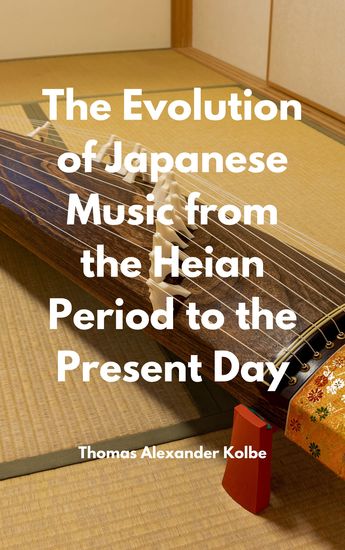
  • The Evolution of Japanese Music from the Heian Period to the Present Day - cover

    The Evolution of Japanese Music...

    Thomas Alexander Kolbe

    • 0
    • 0
    • 0
    The ebook "The Evolution of Japanese Music from the Heian Period to the Present Day" covers the rich history and transformation of Japanese music across multiple periods. It explores key eras such as the Heian, Muromachi, Edo, and modern periods, focusing on how historical, political, and cultural shifts shaped musical forms.
    
    During the Heian period (794–1185), Gagaku (court music) and Bugaku (dance) dominated the scene, representing the pinnacle of classical Japanese music tied to the imperial court. Instruments like the biwa and koto became central to these traditions. As Japan entered the Muromachi period (1336–1573), new musical influences from Zen Buddhism emerged, particularly through the use of the shakuhachi, a bamboo flute used by monks for meditation. Popular and folk music such as *dengaku* and *sarugaku* also evolved, becoming the foundation for future theatrical traditions like Noh.
    
    The Azuchi-Momoyama period (1573–1603) saw continued development in Noh theater and the rise of Kabuki, a dynamic theatrical form combining music, dance, and drama. The introduction of Western music through European contact during this time brought new instruments like the guitar and harpsichord to Japan, although traditional instruments such as the shamisen became key to the emerging Bunraku puppet theater.
    
    By the Edo period (1603–1868), Japan's isolationist policies preserved and refined its musical traditions. Kabuki and Bunraku became major cultural forces, heavily integrating music into their performances. The shamisen played a central role in both forms. Gagaku and other courtly traditions persisted but gradually became more ceremonial.
    
    In the modern era, Western influences grew stronger, leading to a blending of traditional and contemporary styles, from classical Japanese music to the introduction of genres like J-pop and Enka, while maintaining the distinctiveness of traditional Japanese sound.
    
    This historical journey shows how Japanese music continuously adapted to external influences while preserving its ancient roots.
    Ver libro
  • Beyond the Spotlight - : How to Survive and Thrive in the Real World of Acting and Performing Arts - cover

    Beyond the Spotlight - : How to...

    Stephen Bull, Alexa Morden

    • 0
    • 0
    • 0
    This evidence-informed roadmap shows you how to thrive in an industry where rejection is part of the job and only 2 per cent of actors make a living from performing. Beyond the Spotlight is your survival guide and inspiration for building a fulfilling career in the performing arts. Whether your chasing your first role or questioning your place in the industry, Beyond The Spotlight offers guidance and skills for any stage of your career.
    Beyond the Spotlight pulls back the curtain on the performing arts industry, revealing what it really takes to succeed.
    This book helpfully attests to the trials, tribulations (and sometimes triumphs!) of being an actor, through a practical and actionable lens.
    Phil Dunster, Actor & Emmy Award Nominee
    This book is like a long overdue chat with a best friend and a world-class coaching session rolled into one.
    Matt Holt, Award-winning Screen Director
    This book helps free the human underneath the actor, which is vital for happiness, career longevity and mental health.
    Elena Kirschner, Talent Agent
    Ver libro
  • Bagpipe Tunes And Their Stories - Golden Times 1950 - 1990 - Volume 2 - cover

    Bagpipe Tunes And Their Stories...

    Susy Klinger

    • 0
    • 0
    • 0
    Take a fascinating trip through the world of bagpipe music: a journey in time covering the history of this wonderful instrument. Bagpipe Tunes and Their Stories: Golden Times 1950 - 1990 features stories behind the unique bagpipe tunes that were composed between 1950 and 1990
    
    Bagpipes are at the centre of a vibrant culture that has grown over many generations and continues to fascinate music lovers throughout the world. This book unearths stories connected with well-known tunes that were played and written between 1950 and 1990. A tribute to the rich heritage of bagpipe music, it is captivating reading for long-time bagpipe enthusiasts as well as people less familiar with this distinctive instrument.
    
    You’ll become acquainted with a wide range of bagpipe tunes, from the Scottish Highlands to the hills of Ireland and beyond. In addition, you’ll learn about the occasions for which they were composed and interpreted.
    Author Susy Klinger, a well-known music expert and bagpipe enthusiast, has put her broad-ranging knowledge and passionate musical interest into this book. She has done many years of research in Scotland and neighbouring countries, conducted numerous interviews with famous pipers and thoroughly studied bagpipe music in order to put together this collection of stories and personal portraits. The book is a treasure chest of musical discoveries, encompassing everything from traditional ballads to lively dance melodies.
    
    The wealth of information on bagpipe tunes is supplemented by carefully selected photos and illustrations that bring the atmosphere and culture of the relevant period to life. Each page is an invitation to delve into the past and become absorbed in stories of times gone by.
    
    Order your copy now and let yourself be inspired by this fascinating survey of music history.
    Ver libro
  • Cinema's Original Sin - DW Griffith American Racism and the Rise of Film Culture - cover

    Cinema's Original Sin - DW...

    Paul McEwan

    • 0
    • 0
    • 0
    For over a century, cinephiles and film scholars have had to grapple with an ugly artifact that sits at the beginnings of film history. D. W. Griffith's profoundly racist epic, The Birth of a Nation, inspired controversy and protest at its 1915 release and was defended as both a true history of Reconstruction (although it was based on fiction) and a new achievement in cinematic art. Paul McEwan examines the long and shifting history of its reception, revealing how the film became not just a cinematic landmark but also an influential force in American aesthetics and intellectual life. 


    In every decade since 1915, filmmakers, museums, academics, programmers, and film fans have had to figure out how to deal with this troublesome object, and their choices have profoundly influenced both film culture and the notion that films can be works of art. Some critics tried to set aside the film's racism and concentrate on the form, while others tried to relegate that racism safely to the past. McEwan argues that from the earliest film retrospectives in the 1920s to the rise of remix culture in the present day, controversies about this film and its meaning have profoundly shaped our understandings of film, race, and art. 


    Contains mature themes.
    Ver libro