Join us on a literary world trip!
Add this book to bookshelf
Grey
Write a new comment Default profile 50px
Grey
Subscribe to read the full book or read the first pages for free!
All characters reduced
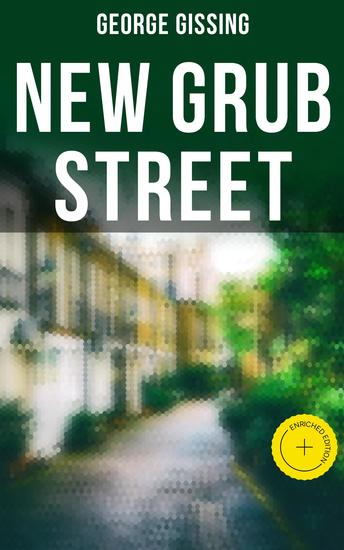
New Grub Street - Enriched edition - cover

New Grub Street - Enriched edition

George Gissing

Publisher: Musaicum Books

  • 0
  • 0
  • 0

Summary

George Gissing's novel, 'New Grub Street,' delves into the harsh realities of the literary world in late 19th century London. Through intricate character development and a stark portrayal of the struggles faced by writers and journalists, Gissing masterfully critiques the commercialization of art and the sacrifices creatives make in the pursuit of success. The book's somber tone and detailed descriptions of poverty and desperation provide a glimpse into the social and economic challenges of the time, making it a poignant and thought-provoking read. Gissing's writing style is straightforward and realistic, reflecting the gritty nature of the subject matter. 'New Grub Street' is a compelling commentary on the power dynamics within the publishing industry and the toll it takes on those who seek to make a living through their craft. George Gissing's own experiences as a struggling writer undoubtedly influenced the novel, adding a layer of authenticity to the narrative. Readers interested in exploring the intersection of art and commerce, as well as those fascinated by Victorian literature, will find 'New Grub Street' a captivating and thought-provoking read.

In this enriched edition, we have carefully created added value for your reading experience:
- A succinct Introduction situates the work's timeless appeal and themes.
- The Synopsis outlines the central plot, highlighting key developments without spoiling critical twists.
- A detailed Historical Context immerses you in the era's events and influences that shaped the writing.
- A thorough Analysis dissects symbols, motifs, and character arcs to unearth underlying meanings.
- Reflection questions prompt you to engage personally with the work's messages, connecting them to modern life.
- Hand‐picked Memorable Quotes shine a spotlight on moments of literary brilliance.
- Interactive footnotes clarify unusual references, historical allusions, and archaic phrases for an effortless, more informed read.
Available since: 12/18/2019.
Print length: 469 pages.

Other books that might interest you

  • Mussolini's Grandchildren - Fascism in Contemporary Italy - cover

    Mussolini's Grandchildren -...

    David Broder

    • 0
    • 0
    • 0
    The fastest-rising force in Italian politics is Giorgia Meloni's Fratelli d'Italia—a party with a direct genealogy from Mussolini's regime. Surging to prominence in recent years, it has waged a fierce culture war against the left, polarized political debate around WWII, and even secured the largest vote share in Italy's 2022 general election. Eighty years after the fall of Mussolini, his heirs, and admirers are again on the brink of taking power. 


    Mussolini's Grandchildren delves into Italy's self-styled 'post-fascist' movements—rooted in historical fascism yet claiming to have 'transcended' it. David Broder highlights the reinventions of far-right politics since WWII and examines the interplay between a parliamentary face aimed at integrating fascists into the mainstream and militant fringe groups which, despite their extremism, play an important role in nurturing the broader far right. 


    Fratelli d'Italia has retained its hegemony over fascist subcultures whilst embracing a raft of more pragmatic policy positions, fusing harsh Islamophobia and anti-communism with support for the European Union and NATO. As countervailing anti-fascist forces in Italian society wane, the far-right party's mission to redeem historical fascism, legitimize its political heirs, and shift the terrain of mainstream politics is proving alarmingly successful.
    Show book
  • Yamnaya Culture The: The History of the Steppe Nomads in the Bronze Age - cover

    Yamnaya Culture The: The History...

    Editors Charles River

    • 0
    • 0
    • 0
    After the Mongols rode across the steppes of Asia and Eastern Europe and steppe nomads like the Magyars and Cumans became major military and cultural forces in Europe, the steppe nomads became notorious as foreign marauders who rode the steppes looking for plunder and riches, but they rarely stayed long after they got what they wanted. In reality, these groups represented vanguards of a massive nomadic horde that grew in ferocity and effectiveness as the centuries passed, and they were far more than mindless barbarians interested in violence alone – in fact, contemporary sources reveal they were also interested in diplomacy and eventually integrated with their sedentary neighbors. 
    	The actual history of these groups makes sense considering there were steppe nomads like them that lived in the region thousands of years earlier, back to around the time the Copper Age transitioned into the Bronze Age. The Fertile Crescent of Mesopotamia and the Levant are often referred to as the “cradle of civilization” because those lands hosted some of the world’s earliest complex societies began, but several hundred miles to the north, equally important advances in civilization were happening at the same time. North of the Caucus Mountains near the shores of the Black Sea on the Ukrainian-Russian steppes, the ancestors of Indo-European peoples were domesticating horses, dogs, and inventing the wheel in the late 5th and early 4th millennia BCE. A number of different localized ‘proto’ Indo-European cultures formed at this time that eventually coalesced into the larger culture that is today known as the Yamnaya culture. 
    	From about 3400-2600 BCE, the Yamnaya culture stretched from southeastern Europe into central Asia, greatly affecting other contemporary cultures in Europe and the Near East. The hallmarks of Yamnaya culture adopted by other cultures in the Near East and Europe include the use of metal tools and weapons.
    Show book
  • Sikh Nasalkushi Da Khurakhoj Part-2 - ( Chashamdeedan ate Sbutaan di Zubani ) - cover

    Sikh Nasalkushi Da Khurakhoj...

    Gurjant Singh Ball, Sukhjeet...

    • 0
    • 0
    • 0
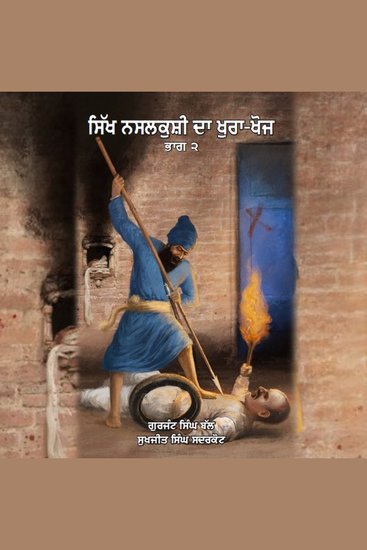
    Sikh Nasalkushi Da Khura Khoj Part - 2: Authored by Gurjant Singh Ball and Sukhjeet Singh Sadarkot 
    Most people know about the Sikh genocide in places like Delhi, Kanpur, Bokaro, and Hondh-Chillar. But the violence didn’t happen only in these cities. Sikhs were targeted in many other parts of India in the same way. The book series "Sikh Nasalkushi da Khura Khoj" is the first of its kind. It deeply studies and explains what happened to Sikhs in different states. The first part of the book talks about events in six states: Madhya Pradesh, Chhattisgarh, Odisha, Andhra Pradesh, Telangana, and Tamil Nadu. Part 2 of the book continues this research and gives details about what happened in five more states: Manipur, Bihar, Assam, West Bengal, and Jharkhand. You can order it from Sikh Siyasat and get it delivered anywhere in the world.
    Show book
  • The Two Cultures and the Scientific Revolution - cover

    The Two Cultures and the...

    C. P. Snow.

    • 0
    • 0
    • 0
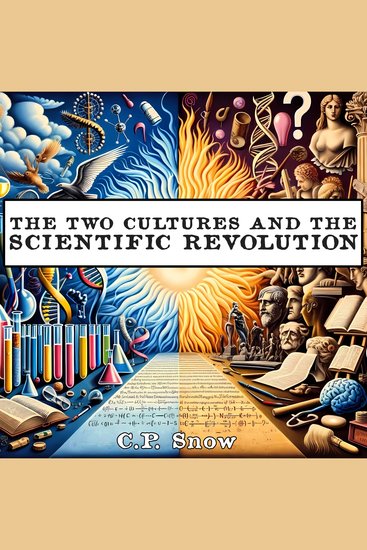
    In "The Two Cultures and the Scientific Revolution," C. P. Snow argues a stark divide separates science and humanities, hindering progress. He explores the educational roots, language barriers, and mutual distrust behind this chasm, then calls for increased dialogue, collaboration, and a more holistic education to bridge the gap. This thought-provoking classic remains relevant, urging us to overcome intellectual divides and foster a unified understanding of our complex world.
    Show book
  • Finding Joy on Death Row - Unexpected Lessons from Lives We Discarded - cover

    Finding Joy on Death Row -...

    Dewey Williams, Rev. Dr. Braxton...

    • 0
    • 0
    • 0
    Based on the sermon series that garnered top honors from Yale Divinity School, Finding Joy on Death Row is the powerful story of a broken preacher's transformative experience learning about joy from Death Row prisoners, combined with dramatic responses from more than twenty men currently sentenced to die. 


    In Finding Joy on Death Row: Unexpected Lessons from Lives We Discarded, Williams journeys into the hearts and minds of those sentenced to death, illuminating for listeners the ways in which the human spirit can suffer—and soar. Finding Joy on Death Row includes dozens of statements from those facing capital punishment. The testimonies and contemplations of those sentenced to die offer listeners a unique opportunity to hear from individuals whose lives are marked by their looming execution. And yet these prisoners have—in the midst of grim circumstances—managed to find joy. 


    As Williams serves and shepherds these prisoners, their own stories are unveiled. Williams's account of ministering within North Carolina's prison system and the handwritten statements are punctuated by glimpses into the author's own broken past. This important work will show listeners the power of joy to reach us all, the free and imprisoned alike.
    Show book
  • Who's In The Waiting Room? - Create the Life You Want through the Power of Authentic Relationships - cover

    Who's In The Waiting Room? -...

    Neal Goldstein

    • 0
    • 0
    • 0
    Can an individual turn the pain of a troubled childhood into a recipe for success as an adult?In Who’s in the Waiting Room?, Neal Goldstein tells his own story of going from high school dropout to lawyer, a dramatic transformation that he achieved by tapping into the power of relationships. Alongside his journey of self-discovery, Neal presents five behaviors anyone can adopt to foster quality relationships: find your people, acknowledge the need for each other, listen more than you talk, recognize the value of face-to-face contact, and find common ground. He explains how the pain of his youth became his power and offers actionable success moves to help anyone recognize how strengthening relationships in their own lives can lead to success and satisfaction.
    Show book