¡Acompáñanos a viajar por el mundo de los libros!
Añadir este libro a la estantería
Grey
Escribe un nuevo comentario Default profile 50px
Grey
Suscríbete para leer el libro completo o lee las primeras páginas gratis.
All characters reduced
50 Masterpieces you have to read before you die vol: 2 - Discover Timeless Literary Classics That Will Captivate Your Imagination - cover

50 Masterpieces you have to read before you die vol: 2 - Discover Timeless Literary Classics That Will Captivate Your Imagination

George Eliot, Charles Dickens, Lewis Carroll, Louisa May Alcott, Jane Austen, Oscar Wilde, Alexandre Dumas, Bram Stoker, Joseph Conrad, Charlotte Brontë, Daniel Defoe, Emily Brontë, Henry James, D. H. Lawrence, Anne Brontë, Honoré de Balzac, Willa Cather, Edgar Rice Burroughs, Arthur Conan Doyle, Victor Hugo, Fyodor Dostoyevsky, James Joyce, E. E. Cummings, Miguel de Cervantes, Leo Tolstoy, Pocket Classic, Gustave Flaubert

Editorial: Pocket Classic

  • 0
  • 0
  • 0

Sinopsis

Unlock the World of Classic Literature with "50 Masterpieces You Have to Read Before You Die Vol. 2"!
Dive into a collection of literary treasures that span centuries and genres, offering timeless stories and unforgettable characters. This carefully curated ebook features 50 must-read novels, each meticulously chosen to enrich your reading journey and broaden your literary horizons.
Highlights Include:

- Engaging and Diverse Selection: From James Joyce's groundbreaking "Ulysses" to Mary Shelley's iconic "Frankenstein," explore works that have shaped the literary world.
- Enhanced Reading Experience: Enjoy the convenience of several HTML tables of contents, making navigation a breeze and enhancing your reading pleasure.
- Perfect for Book Lovers: Whether you're a seasoned reader or new to classic literature, this collection offers something for everyone.Featured Works:

- Jerome K. Jerome: "Three Men in a Boat"
- James Joyce: "A Portrait of the Artist as a Young Man" and "Ulysses"
- Rudyard Kipling: "Kim"
- Herman Melville: "Moby-Dick"
- Leo Tolstoy: "War and Peace" and "Anna Karenina"
- Oscar Wilde: "The Picture of Dorian Gray"
- And many more...Why You'll Love This Collection:

- Unforgettable Stories: Lose yourself in tales of adventure, romance, and drama from the greatest authors of all time.
- Immersive Narratives: Each novel provides a unique window into different eras, cultures, and perspectives, making this collection a true literary treasure trove.
- Perfect Gift: Ideal for book enthusiasts, students, and anyone looking to expand their literary repertoire.Join the Ranks of Literary Enthusiasts! With over 50 timeless masterpieces at your fingertips, embark on a journey through the ages with stories that continue to inspire, challenge, and entertain. Don't miss out on this essential addition to your digital library.
Order Now and Start Reading Today! Rediscover the joy of reading with "50 Masterpieces You Have to Read Before You Die Vol. 2" – a collection that promises to captivate and inspire.
 
Disponible desde: 14/07/2024.
Longitud de impresión: 12300 páginas.
Otros libros que te pueden interesar

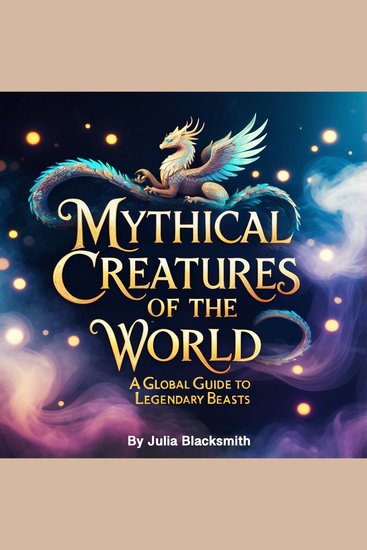
  • Mythical Creatures of the World - A Global Guide to Legendary Beasts - cover

    Mythical Creatures of the World...

    Julia Blacksmith

    • 0
    • 0
    • 0
    Mythical creatures have captivated human imagination for centuries, appearing in folklore, religious texts, and even historical records. These legendary beasts serve as more than just entertaining stories—they reflect cultural values, fears, and the mysteries of the unknown. Across different civilizations, mythical beings have played vital roles in shaping traditions, inspiring art, and even influencing belief systems. From fire-breathing dragons to elusive lake monsters, these creatures continue to spark curiosity and debate. But what is it about these beings that makes them so enduring?  
      
    One reason for their lasting appeal is their connection to human experiences. Many mythical creatures represent forces of nature, embodying storms, oceans, or the deep forests where the unknown lurks. Others symbolize human emotions or moral lessons—such as the cunning trickster fox in Japanese folklore or the powerful yet wise dragon in Chinese mythology. Whether feared, worshipped, or admired, these creatures often serve as cautionary tales or representations of humanity’s struggle with the world around them.  
      
    Common themes emerge across different cultures, even in societies that had no contact with each other. Dragons, for instance, appear in both European and Asian folklore, though their interpretations differ. While European dragons are often portrayed as greedy, fire-breathing monsters to be slain by heroes, their Chinese counterparts are wise and benevolent, associated with strength and good fortune. Likewise, stories of water-dwelling serpents and half-human beings exist in legends from Scandinavia to South America, suggesting that the human mind is naturally drawn to certain archetypes. 
    Ver libro
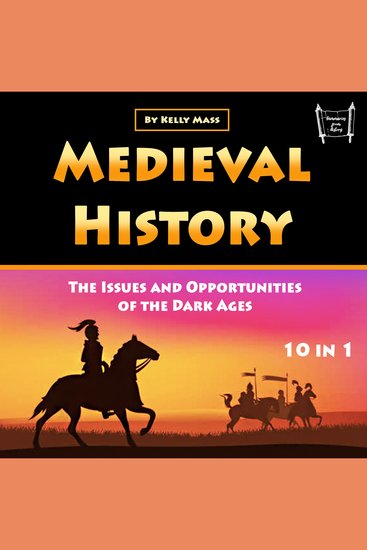
  • Medieval History - The Issues and Opportunities of the Dark Ages (10 in 1) - cover

    Medieval History - The Issues...

    Kelly Mass

    • 0
    • 0
    • 0
    This book consists of 10 titles, which are: 
    Brian Boru - Biography of a Medieval King from Ireland 
    Constantinople - History of the Byzantine Empire’s Gigantic Capital 
    Justinian I - Biography of the Byzantine Emperor, Justinian the Great 
    King Arthur - His Life, Authenticity, Historicity, and Legacy 
    Magna Carta - Its Medieval Writings, Rights, and Background 
    Medieval Knights - Historical Details of the Military in the Middle Ages 
    The Great Schism - How the Catholic Church Split up 
    The Hundred Years’ War - History of the War between the French and English in the 14th Century 
    The Puritans - History of the English Protestants Who Tried to Purify the Church of England 
    The Thirty Years’ War - The Most Destructive Religious War in European History
    Ver libro
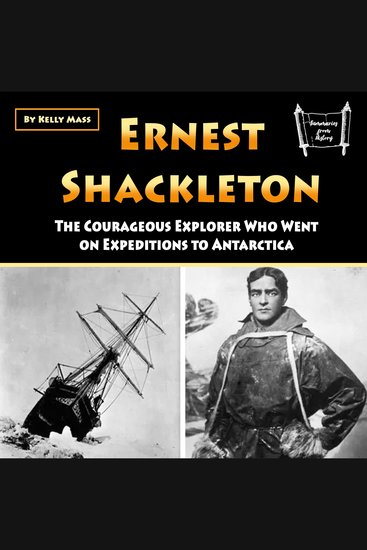
  • Ernest Shackleton - The Courageous Explorer Who Went on Expeditions to Antarctica - cover

    Ernest Shackleton - The...

    Kelly Mass

    • 0
    • 0
    • 0
    Sir Ernest Henry Shackleton was an Anglo-Irish polar explorer whose remarkable journeys cemented his place among the most important figures of the Heroic Age of Antarctic Exploration. Shackleton's story is one of daring, leadership, and resilience, traits that made him a legendary figure in the annals of exploration. 
    Born in Kilkea, County Kildare, Ireland, on February 15, 1874, Shackleton moved to Sydenham, south London, at the age of ten with his Anglo-Irish family. His early life was marked by a sense of adventure that would shape his future endeavors. Shackleton's first significant exposure to the polar regions came in 1901 when he joined Captain Robert Falcon Scott's Discovery expedition as a third officer. Although Shackleton’s time on the expedition was cut short due to health concerns, he had already proven his determination by marching to a new southern record of latitude 82°S, alongside Scott and Edward Adrian Wilson. Despite being sent home early, Shackleton had tasted the allure of the polar regions and was eager for more. 
    The opportunity came in 1907 when Shackleton led the Nimrod expedition to Antarctica. During this journey, he and three companions ventured farther south than any explorer before them, reaching 88°S, just 97 geographical miles from the South Pole. This achievement was monumental, representing the greatest advancement toward the pole at the time. In addition to their groundbreaking southern march, the team also made history by summiting Mount Erebus, Antarctica’s most active volcano. Shackleton returned a hero and was knighted by King Edward VII for his daring exploits.
    Ver libro
  • Why War? - cover

    Why War?

    Richard Overy

    • 0
    • 0
    • 0
    Why has war been such a consistent presence throughout the human past? A leading historian explains, drawing on rich examples and keen insight. 


    Richard Overy is not the first scholar to take up the title question. In 1931, at the request of the League of Nations, Albert Einstein asked Sigmund Freud to collaborate on a short work examining whether there was "a way of delivering mankind from the menace of war." Published the next year as a pamphlet entitled Why War?, it conveyed Freud's conclusion that the "death drive" made any deliverance impossible—the psychological impulse to destruction was universal in the animal kingdom. The global wars of the later 1930s and 1940s seemed ample evidence of the dismal conclusion. 


    A preeminent historian of those wars, Overy brings vast knowledge to the title question and years of experience unraveling the knotted motivations of war. His approach is to separate the major drivers and motivations, and consider the ways each has contributed to organized conflict. They range from the impulses embedded in human biology and psychology, to the incentives to conflict developed through cultural evolution, to competition for resources. The discussions show remarkable range, delving deep into the Neolithic past, through the twentieth-century world wars, and up to the current conflict in Ukraine.
    Ver libro
  • How to Cope - An Ancient Guide to Enduring Hardship - cover

    How to Cope - An Ancient Guide...

    Boethius

    • 0
    • 0
    • 0
    A vivid and accessible new translation of essential selections from Boethius's Consolation of PhilosophyWhat do you do when your life has fallen apart? Fifteen hundred years ago, a Roman nobleman named Boethius asked this question as he was sitting in a prison cell waiting to die, accused—probably unjustly—of treason. Boethius had been a rich and powerful man with all a person could want in life, but now he had lost everything. Shaken, he wondered how such terrible misfortune could have happened to him and why life was so unfair. When Philosophy herself appears in his cell and confronts Boethius, the conversation that follows between the two on the nature of evil and why humans suffer is as powerful and inspiring today as it was to its first readers. In How to Cope, Philip Freeman presents a lively modern translation of essential selections from Boethius's classic.This translation vividly captures Boethius's journey from bitterness and anger to reconciliation and peace, showing how ancient philosophy, especially Stoicism, can help listeners deal with adversity in their own lives. The book reveals the qualities that have made The Consolation of Philosophy one of the most popular and influential works of classical and world literature, and an inspiration to countless writers, including Thomas Aquinas, Dante, and Chaucer.
    Ver libro
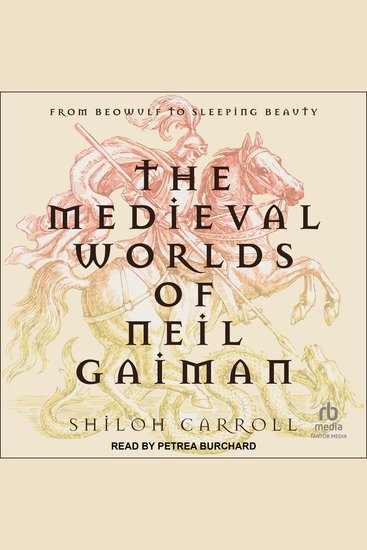
  • The Medieval Worlds of Neil Gaiman - From Beowulf to Sleeping Beauty - cover

    The Medieval Worlds of Neil...

    Shiloh Carroll

    • 0
    • 0
    • 0
    Neil Gaiman is one of the most widely known writers of the twentieth and twenty-first centuries, having produced fiction and nonfiction, fantasy and horror, television, comics, and prose. He often attributes this eclecticism to his "compost heap" approach to writing, gathering inspiration from life, religion, literature, and mythology. 


    Readers love to sink into Gaiman's medieval worlds—but what makes them "medieval"? Shiloh Carroll offers an introduction to the idea of medievalism, how the literature and culture of the Middle Ages have been reinterpreted and repurposed over the centuries, and how the layers of interpretation have impacted Gaiman's own use of medieval material. She examines influences from Norse mythology and Beowulf to medieval romances and fairy tales in order to expand listeners' understanding and appreciation of Gaiman's work, as well as the rest of the medievalist films, TV shows, and books that are so popular today.
    Ver libro