Join us on a literary world trip!
Add this book to bookshelf
Grey
Write a new comment Default profile 50px
Grey
Subscribe to read the full book or read the first pages for free!
All characters reduced
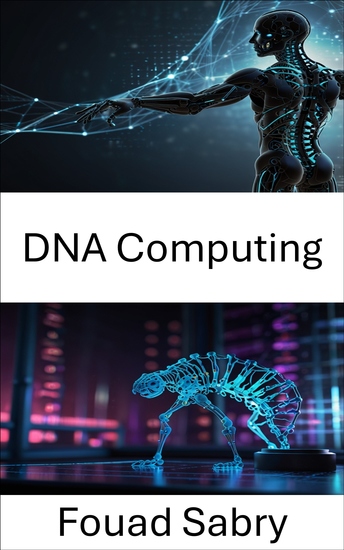
DNA Computing - Harnessing Biological Processes for Computational Innovation - cover

DNA Computing - Harnessing Biological Processes for Computational Innovation

Fouad Sabry

Publisher: One Billion Knowledgeable

  • 0
  • 0
  • 0

Summary

"DNA Computing" is an essential read for anyone fascinated by the intersection of molecular biology and computing. As part of the DNA Walker series, this book explores the groundbreaking world of DNA computing, offering invaluable insights into how biological processes can inspire and enhance computational methods. Whether you're a professional, an undergraduate, or a hobbyist with a passion for new technologies, this book is a mustread.
 
Chapters Brief Overview:
 
1: DNA computing: Delve into the fundamentals of DNA computing and its potential applications in computation.
 
2: DNA: Understand the core structure of DNA and its relevance to computational models and systems.
 
3: Quantum computing: Explore how quantum computing and DNA computing are interlinked in modern technological advancements.
 
4: Turing completeness: Learn how DNA computing can reach Turing completeness and its implications for problemsolving.
 
5: Timeline of quantum computing and communication: Review key milestones in the development of quantum computing and its relationship with DNA systems.
 
6: Leonard Adleman: Examine the pivotal role of Leonard Adleman in the birth of DNA computing.
 
7: Deoxyribozyme: Investigate the catalytic DNA molecules and their role in biocomputing systems.
 
8: Optical computing: Gain insight into the fusion of DNA computing with optical computing for advanced data processing.
 
9: Unconventional computing: Explore alternative computing paradigms, including DNA computing and its integration with nontraditional systems.
 
10: Molecular logic gate: Understand how molecular logic gates are used to process information within a DNA computing framework.
 
11: Chemical computer: Learn about the concept of a chemical computer and its intersection with DNA computing technology.
 
12: Type II topoisomerase: Investigate the enzymatic processes involved in DNA manipulation and their applications in computation.
 
13: Biological computing: Examine the broader field of biological computing and how DNA fits into this evolving domain.
 
14: Adaptor hypothesis: Dive into the theory of molecular adaptors and their role in facilitating DNA computing systems.
 
15: Nucleic acid design: Study the principles of nucleic acid design for constructing complex computational systems based on DNA.
 
16: Molecular models of DNA: Explore various molecular models and their practical applications in DNA computing.
 
17: DNA nanotechnology: Learn about the interdisciplinary connection between DNA computing and nanotechnology for cuttingedge developments.
 
18: Natural computing: Investigate natural computing systems and how DNA computing serves as a model for biological computation.
 
19: Nucleic acid secondary structure: Understand the structurefunction relationship in nucleic acids and its relevance for computing systems.
 
20: Toehold mediated strand displacement: Study the role of toeholdmediated strand displacement in enhancing the efficiency of DNAbased computation.
 
21: Lulu Qian: Discover the contributions of Lulu Qian in advancing DNA computing and her revolutionary work in this area.
 
By reading DNA Computing, you will be equipped with profound knowledge on the intersection of biology and computing, a field that is rapidly evolving. This book provides essential reading for anyone looking to advance their understanding of DNA Walker systems and the future of computing.
Available since: 03/10/2025.
Print length: 324 pages.

Other books that might interest you

  • The Traumatic Stress Recovery Workbook - 40 Brain-Changing Techniques You Can Use Right Now to Treat Symptoms of PTSD and Start Feeling Better - cover

    The Traumatic Stress Recovery...

    PsyD Jennifer Sweeton

    • 0
    • 0
    • 0
    If you've experienced trauma, you may feel emotionally numb. You may have moments where you can't "calm down," or get to sleep. You might replay the traumatic event over in your mind.  And you may even isolate yourself from others. You should know that you are not alone. Many people will live through a potentially traumatic event at some point in their lives, and some will even develop symptoms of post-traumatic stress disorder (PTSD). If you're struggling with symptoms, you need effective relief—right now. This workbook can help you find it. 


    In The Traumatic Stress Recovery Workbook, trauma and neuroscience expert Jennifer Sweeton provides forty brain-changing techniques for overcoming PTSD that you can begin using right away to build resilience, boost self-confidence, and develop self-efficacy. You'll learn what happens in your brain after experiencing trauma, and why it reacts in ways that cause even more distress. You'll also discover evidence-based strategies grounded in cutting-edge neuroscience to manage psychological and physical—or somatic—symptoms—so you can get back to your life. 


    Using the practical and integrative approach in this workbook, you can address symptoms at your own pace. And by making small lifestyle changes, you'll carve new neural pathways in your brain and jump-start the healing process.
    Show book
  • Psychiatry - Mental Health and Behavioral Disorders - cover

    Psychiatry - Mental Health and...

    Ava Westwood

    • 0
    • 0
    • 0
    Psychiatry is a branch of medicine dedicated to the study, diagnosis, treatment, and prevention of mental, emotional, and behavioral disorders. It plays a crucial role in modern healthcare by addressing conditions that affect cognition, mood, and perception, impacting overall well-being and functionality. Mental health disorders range from common conditions such as anxiety and depression to severe illnesses like schizophrenia and bipolar disorder. Psychiatrists, as medical professionals specializing in this field, assess and manage these conditions through a combination of psychotherapy, medication, and emerging therapeutic approaches. 
    The historical development of psychiatry has evolved significantly over centuries. Ancient civilizations, including the Greeks and Romans, attributed mental illness to supernatural forces, while Hippocrates introduced the concept of imbalance in bodily humors as a possible cause. During the Middle Ages, mental illness was often misunderstood and associated with demonic possession, leading to inhumane treatments. The emergence of asylums in the 18th and 19th centuries marked a shift toward institutionalized care, though conditions in these facilities were often poor. The 20th century brought advancements in psychopharmacology, neuroscience, and psychological theories, leading to a more scientific and humane approach to mental health care. Today, psychiatry integrates biological, psychological, and social factors to provide comprehensive treatment. 
    Psychiatry differs from other medical disciplines in its focus on both the mind and the brain. Unlike neurology, which primarily deals with structural disorders of the nervous system, psychiatry examines functional disturbances affecting thought, emotion, and behavior. While psychology also explores mental health, psychiatrists, as medical doctors, are uniquely qualified to prescribe medications and provide medical treatments alongside therapy.
    Show book
  • Magical Herbs - cover

    Magical Herbs

    Paulette Jordan

    • 0
    • 0
    • 0
    Magical Herbs: The Expert Guide on Herbs. Discover Everything About How to Plant, Grow and Use Natural HerbsNatural herbs have been in use since the dawn of time. The Chinese have been using these flavorful weeds for everything from spicing up a favorite dish to curing allergies. Common herbs are most known for their culinary uses. There are medicinal applications for herbs as well. The Native Americans knew the value of an herb. Whether it was to cure a toothache or cure an upset stomach, there was an herb for everything. Some of the best foods are made to taste that way because of an herb as well.In this audiobook, you will learn anything and everything about herbs. You will learn all kinds of herbs and their uses whether to cure an illness or to be used for cooking. This audiobook will cover the following topics:- An Introduction to Herbs- Herbs in the Kitchen- Growing an Herb Garden- Collecting Herbs- Storing Herbs- Adding Herbs to the Cook Pot- Homemade Herbal Mixtures- Great Sources for Seeds and Plants - Resources for Dried Herbs - The Herbal Medicine Cabinet- And many more!Getting all the info here will help you start your own herb garden. One of the best parts about growing an herb garden is being able to use the herbs for many many things. To learn more, scroll up and click “add to cart” now!
    Show book
  • Summary - Slammed - Based On The Book By Colleen Hoover - cover

    Summary - Slammed - Based On The...

    Fastbooks Publishing

    • 0
    • 0
    • 0
    SUMMARY 
      
    SLAMMED 
    BASED ON THE BOOK BY COLLEEN HOOVER 
      
    SUMMARY WRITTEN BY: FASTBOOKS PUBLISHING 
      
    CONTENT 
    A New Beginning 
    First Impressions 
    The Slam Poetry Connection 
    Deepening Emotions 
    Conflict and Compromise 
    The Breaking Point 
    Moving Forward 
    Acceptance and Change 
    A New Hope 
    General Analysis 
      
    ABOUT THE ORIGINAL BOOK 
    Slammed by Colleen Hoover follows the story of Layken, a young woman who moves with her family from Texas to Michigan after the death of her father. Struggling with grief and the challenges of starting over, Layken finds solace in slam poetry, a form of self-expression introduced to her through her neighbor, Will. As their relationship develops, they navigate complex emotions, including love, loss, and personal growth. The novel explores themes of healing, the impact of past trauma, and the transformative power of art, particularly poetry, in helping individuals cope with life's most difficult moments.
    Show book
  • The PD Book - 7 Habits that Transform Professional Development - cover

    The PD Book - 7 Habits that...

    Elena Aguilar, Lori Cohen

    • 0
    • 0
    • 0
    Develop transformational professional development programs that build and sustain your school community 


    In The PD Book, bestselling author Elena Aguilar and coauthor Lori Cohen offer seven habits—and a wealth of practical tools—that help you transform professional development. In this book, you'll learn how to inspire adult learners, the importance of having clear purpose, and how to navigate power dynamics in a group. You'll also learn a new way to plan PD that allows you to attend to details and be a responsive facilitator. The dozens of tips and tricks, anecdotes and research, and tools and resources will enable you to create the optimal conditions for learning. 


    You'll also: craft effective outcomes for your adult students and design an agenda that aligns with adult learning principles; use storytelling as a tool for effective workshops and trainings; and plan backwards from evaluations and outcomes to create powerful and lasting educational experiences. 


    Ideal for educational leaders and administrators, professional development facilitators, coaches, and positional leaders, The PD Book is an incisive resource offering concrete strategies for educators at all levels.
    Show book
  • Chasing the Intact Mind - How the Severely Autistic and Intellectually Disabled Were Excluded from the Debates That Affect Them Most - cover

    Chasing the Intact Mind - How...

    Amy S.F. Lutz

    • 0
    • 0
    • 0
    The concept of the intact mind, first described in a 2006 memoir, refers to the idea that inside every autistic child is an intelligent, typical child waiting to be liberated by the right diet, the right treatment intervention, the right combination of supports and accommodations. The sentiment itself is not new. Though the idea gives hope to parents devastated by a child's diagnosis, Amy Lutz argues that it has also contributed to widespread dismantling of services badly needed by severely disabled children and their families. 


    In Chasing the Intact Mind, Lutz traces the history of the intact mind concept, explaining how it influences current policy and practice affecting those with autism. Lutz provides a historical analysis of the intact mind narrative and describes how the concept—originally unique to autism—has come to inform current debates at the heart of intellectual and developmental disability practice and policy in the United States. Lutz argues that focusing on the intact mind and marginalizing those with severe disability reproduces historic patterns of discrimination that yoked human worth to intelligence, and that it is only by making space for the impaired mind that we will be able to resolve these ongoing clashes—as well as even larger questions of personhood, dependency, and care.
    Show book