Join us on a literary world trip!
Add this book to bookshelf
Grey
Write a new comment Default profile 50px
Grey
Subscribe to read the full book or read the first pages for free!
All characters reduced
Crisis Team Acts - cover

Crisis Team Acts

Ember Moonshadow

Translator A AI

Publisher: Publifye

  • 0
  • 0
  • 0

Summary

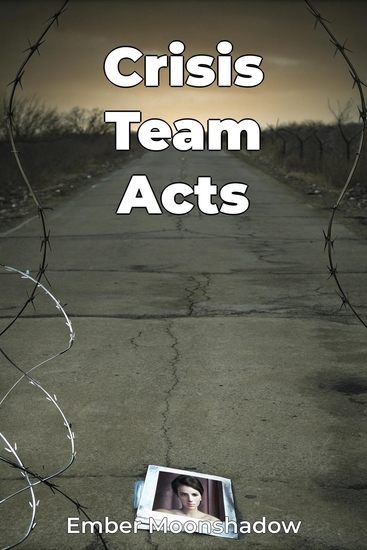
Crisis Team Acts explores the world of emergency response, highlighting the strategies and actions of crisis management teams. The book emphasizes proactive crisis planning, real-time decision-making, and post-incident analysis as essential for minimizing disaster impact and fostering resilience.

 
Examining historical case studies, the text traces the evolution of crisis management, from natural disasters to human-induced events, underscoring the importance of adaptive strategies. A key argument is that effective crisis management requires strategic foresight and tactical flexibility, moving beyond reactive approaches.

 
The book progresses from foundational concepts to the nuances of real-time decision-making, exploring leadership styles and the role of technology. It culminates in emphasizing post-incident analysis for continuous improvement.

 
Drawing on firsthand accounts, government reports, and academic research, the book illustrates the importance of organizational learning and "adaptive resilience." Readers gain insights into developing crisis management plans and improving communication strategies for a culture of resilience.
Available since: 02/16/2025.
Print length: 104 pages.
Other books that might interest you

  • Hunting Illusions - The Narcissistic Family Dynamics - cover

    Hunting Illusions - The...

    Brian Gibson

    • 0
    • 0
    • 0
    "Hunting Illusions: The Narcissistic Family Dynamics" is a profound and illuminating exploration into the intricate world of narcissistic family dynamics. This thought-provoking book delves deep into the hidden complexities and emotional impact of growing up in a family system where narcissism prevails. Through expert analysis and compassionate insights, it unravels the various layers of neglect, emotional manipulation, gaslighting, and parentification that can shape the lives of those caught in its web. 
    With a delicate blend of psychological expertise and empathetic storytelling, this book offers readers a transformative journey of self-discovery and healing. It empowers individuals to recognize and embrace the existence of narcissism within their families, encouraging them to break free from the illusions that have held them captive. 
    Readers traverse its pages and are guided with practical strategies and empowering tools to rebuild self-esteem, set healthy boundaries, and cultivate resilience. This book advocates for transforming relationships within the family and the wider world through open communication, empathy, and personal growth. 
    "Hunting Illusions: The Narcissistic Family Dynamics" is a beacon of hope for those seeking to break free from the grip of narcissism and embark on a path of self-awareness, growth, and fulfillment. With its powerful message of healing and transformation, this book serves as a guiding light toward building healthier, more loving connections that transcend the shadows of the past.
    Show book
  • The Healing Tree - An Adoptee's Story about Hurting Healing and Letting the Light Shine Through - cover

    The Healing Tree - An Adoptee's...

    Danielle Gaudette

    • 0
    • 0
    • 0
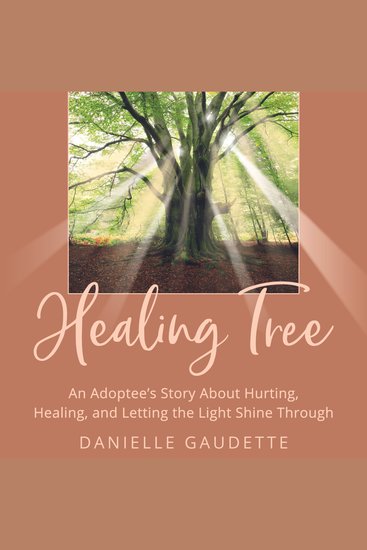
    "Our adopted angel"-that's what Danielle's adoptive parents called her. She grew up adored, doted on, and unconditionally loved. It wasn't until she was in college that she first felt a gnawing curiosity about her roots. From time to time, she would wonder: Where did this face come from? Where did this body come from? Where did this blood come from? Her search to find her biological parents had begun -one full of surprises and revelations. 
    After reuniting with her birth mother and uncovering the primal wound that lay deep within her-Danielle embarks on a twenty-year healing journey of self-discovery, reconciliation, and forgiveness. 
    At once a heartfelt memoir and a guide to self-awareness, Healing Tree offers a compassionate exploration of self, family, and what it means to be whole. Rooted in her twenty-year practice in Body & Brain holistic mind/body techniques, Danielle offers an approachable eight-step method for anyone wishing to heal from emotional or psychological wounds. This method invites readers to cultivate a loving relationship with their authentic selves and charts a pathway to inner peace. 
    For anyone who feels stuck, hurt, or rudderless in the sea of life, for anyone interested in doing the deep work of self-healing, becoming liberated, and realizing the potential to heal beyond themselves, Healing Tree is a source of direction, inspiration, and hope.
    Show book
  • Beacon Lights of History Vol 2: Jewish Heroes and Prophets - cover

    Beacon Lights of History Vol 2:...

    John Lord

    • 0
    • 0
    • 0
    Volume Two of the series, this book focuses on the leaders of the Jewish faith from Abraham to Saint Paul.  Summary by KHand
    Show book
  • Psychology of Gender The (The Psychology of Everything) - cover

    Psychology of Gender The (The...

    Gary W. wood

    • 0
    • 0
    • 0
    What is the difference between sex and gender? What is the impact of gender-role stereotypes on our lives, our relationships and the world? What does gender mean to you?The Psychology of Gender looks at our biology, history and culture to consider the impact of gender roles and stereotypes, and addresses the 'dilemmas' we have regarding gender in a post-modern world. It offers a unique perspective on gender through storytelling and explores ideas around transgender and cisgender identities and androgyny, tackling hidden assumptions and helping us make sense of the world of gender.By examining the future of gender, The Psychology of Gender offers a platform for further exploration, and arrives at a new psychology of gender that emphasises relationships and helps us to understand our own gender identity and that of those around us.
    Show book
  • Trauma Bonding - How to Stop Heartache Feeling Stuck and Rediscovering Yourself after Emotional Abuse - cover

    Trauma Bonding - How to Stop...

    Jane Gibson

    • 0
    • 0
    • 0
    Do you feel worthless, unimportant and unworthy of love? 
      
    Are you having difficulties living with your partner, but feel that you cannot make it without them? 
      
    Do you understand, deep down inside, that you deserve better; but just can’t seem to walk away from your partner? Does your partner regularly hurt you and then apologize? Does this make you feel overwhelmed and confused? 
      
    The answer to the above questions, although complex and often confusing, can be given in two words: Trauma Bonding. 
      
    Have you ever heard of Stockholm Syndrome? 
    This is a specific type of traumatic bond. 
      
    While this term typically refers to someone who is captive and develops positive feelings for their captor, this dynamic can occur in other situations and relationships. 
      
    Trauma Bonding is the worst of all hellish prisons. If you break the relationship, the toxic bond will make you want to beg for them back. 
      
    Specifically, this book will help you to:Recognize the dangerous stages of Trauma Bonding.Recognize when and why Trauma Bonding happens (Trauma Bonding within a family, friends or peers).Defuse toxic bonds in romantic relationships.Recognize things that strengthen a Trauma Bond.Use tools and exercises to break Trauma Bonds.Make a safe exit planHeal from a Trauma Bond 
      
    What should you do now? 
      
    Break the Trauma Bond! 
    This manual will take you step by step and help you to break through the combination of abuse and positive reinforcement that keeps you trapped in guilt, anxiety and emotional pain.
    Show book
  • Longbow The: The History of the Weapon that Revolutionized Warfare in the Middle Ages - cover

    Longbow The: The History of the...

    Editors Charles River

    • 0
    • 0
    • 0
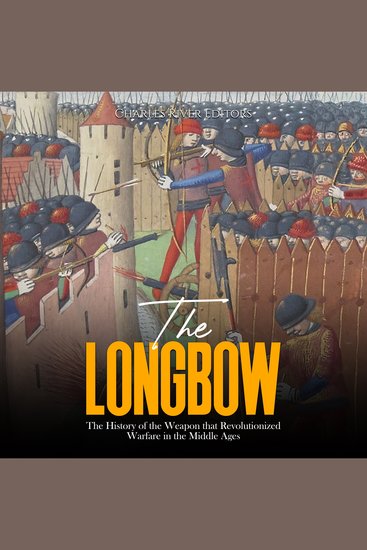
    While the bow was used throughout ancient times and the Middle Ages, on mainland Europe it was mostly replaced by the crossbow in the early 13th century, but that would change with the introduction of the longbow, a more powerful weapon than the traditional hunting bows. The original longbowmen were Welshmen recruited by King Edward I of England after he conquered Wales, and the weapon got its name from the fact that it was almost as tall as the man using it. This gave it a longer draw and therefore more force, as longbows were generally made of yew, a strong and pliable wood. The longbow was cheap and easy to make, but they required extensive training to be used well, so in England, commoners were encouraged and at times required to practice archery. A statute of Richard II dating from 1388 reads, “Servants and Laborers shall have Bows and Arrows, and use the same the Sundays and Holydays, and leave all playing at tennis or foot-ball, and other games called coits, dice, casting of the stone, kaikles [skittles], and other such importune games.” 
    	The longbow’s greatest day was at Agincourt in 1415, but the fact that this did not end the age of heavy plate cavalry indicated the longbow did have some limitations. For example, modern tests show that longbow arrows had trouble piercing plate armor, likely the main reason they were used as a massed weapon. With arrows raining down, it increased the chances of hitting a joint in the armor or an imperfection. Also, horse armor couldn’t protect the entire animal and the knights would soon find themselves dismounted. At some battles like Agincourt, the knights foundered in soft earth, and as their horses fell and the men became confused and hampered by the arrows clanking off their armor, they got mired in the mud and the English infantry could move in and finish them off. 
    Show book