Join us on a literary world trip!
Add this book to bookshelf
Grey
Write a new comment Default profile 50px
Grey
Subscribe to read the full book or read the first pages for free!
All characters reduced
Biostatistics with Python - Apply Python for biostatistics with hands-on biomedical and biotechnology projects - cover

Biostatistics with Python - Apply Python for biostatistics with hands-on biomedical and biotechnology projects

Darko Medin

Publisher: Packt Publishing

  • 0
  • 0
  • 0

Summary

This book leverages the author’s decade-long experience in biostatistics and data science to simplify the practical use of biostatistics with Python. The chapters show you how to clean and describe your data effectively, setting a solid foundation for accurate analysis and proficiency in biostatistical inference to help you draw meaningful conclusions from your data through hypothesis testing and effect size analysis.
The book walks you through predictive modeling to harness the power of Python to create robust predictive analytics that can drive your research and professional projects forward. You'll explore clinical biostatistics, learn how to design studies, conduct survival analysis, and synthesize evidence from multiple studies with meta-analysis  – skills that are crucial for making informed decisions based on comprehensive data reviews. The concluding chapters will enhance your ability to analyze biological variables, enabling you to perform detailed and accurate data analysis for biological research. This book's unique blend of biostatistics and Python helps you find practical solutions that make complex concepts easy to grasp and apply.
By the end of this biostatistics book, you’ll have moved from theoretical knowledge to practical experience, allowing you to perform biostatistical analysis confidently and accurately.
Available since: 11/29/2024.
Print length: 374 pages.

Other books that might interest you

  • Fibromyalgia and Chronic Myofascial Pain - From Suffering To Liberation - cover

    Fibromyalgia and Chronic...

    Behnay Books

    • 0
    • 0
    • 0
    If you are suffering from Fibromyalgia and Chronic Myofascial Pain, this is a must for you. 
    If you are suffering from Fibromyalgia and Chronic Myofascial Pain, this book is a must-read for you. This offers a comprehensive guide to understanding and treating these conditions. It covers everything from diagnosis to treatment, including self-care tips and tools that can help ease your pain. This is essential reading for anyone struggling with Fibromyalgia or Chronic Myofascial Pain. 
    You will understand the causes of your pain and how to relieve it. 
    If you're experiencing pain, you may be wondering what's causing it and how to relieve it. In this book, we'll explore the causes of pain and the various ways to treat it. We'll also discuss some of the warning signs that you may be in danger of developing chronic pain. You may be struggling with chronic pain, but you don't know how to treat it. In this book, we'll help you understand the causes of chronic pain and the various ways to treat it. 
    This will help you live a better life without pain. 
    Do you ever feel like you're living in pain? Do you find yourself struggling to get through the day because of the constant ache and soreness? If so, then this is for you. It will teach you how to live a better life without the constant agony and discomfort that comes with chronic pain. From teaching you how to cope with stress and anxiety to setting realistic expectations for your body, this book has everything you need to lead a more comfortable and fulfilling life. So if you're tired of feeling like your body is always punishing you, pick up "Fibromyalgia and Chronic Myofascial Pain From Suffering To Liberation" and start living like there's no pain at all.
    Show book
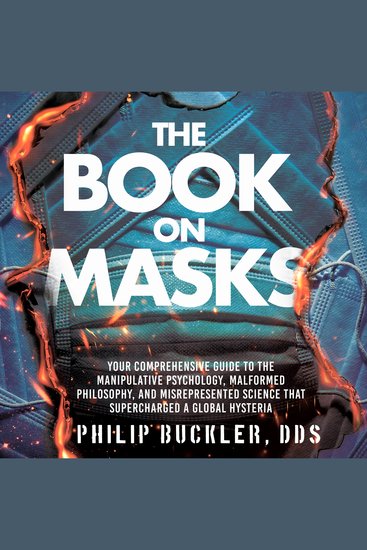
  • The Book on Masks - Your Comprehensive Guide to the Manipulative Psychology Malformed Philosophy and Misrepresented Science that Supercharged a Global Hysteria - cover

    The Book on Masks - Your...

    Philip Buckler

    • 0
    • 0
    • 0
    If you have ever worn a mask against your better judgement, this book is for you. Delve into the science, psychology, and philosophy involved in the worldwide mania for face coverings. 
    Accessible yet profoundly detailed, packed with meticulously gathered information from a diverse range of disciplines, this book earns its place as an invaluable reference in your library. Its wealth of knowledge equips you to challenge prevailing narratives and verify claims independently. Its digestible deep-dive summary of more than 330 studies and 100 years of science is only the tip of the iceberg:Tired of hearsay and third-party opinion on mask effectiveness? Get the bottom-line up front in straightforward, easily verifiable direct quotes from definitive scientific studies. A scholarly, detailed dissection of the CDC’s flagship Science Brief case for masks.Confused by contradictory or hyperbolic claims about mask side effects or lack thereof? Get consistent, hard data with results going back decades.Explore the powerful and manipulative behavioral psychology exploited to push masks.Recognize, expose, and refute the flawed underlying beliefs that support compulsory masking.A careful review of legal precedents which support your freedoms and individual rights where masks are concerned.Why some lawsuits challenging compulsory masking succeeded and others failed.Detailed, robust religious and conscientious objections to masking.More than 50 helpful charts, tables, and illustrations.Convenient source hyperlinks — follow up and decide for yourself whether or not the author got it right. 
    Concerned that mask mandates might make a comeback someday? 
    Buy The Book on Masks today! 
    Audiobook edition includes a complete copy of the book as an accompanying pdf.
    Show book
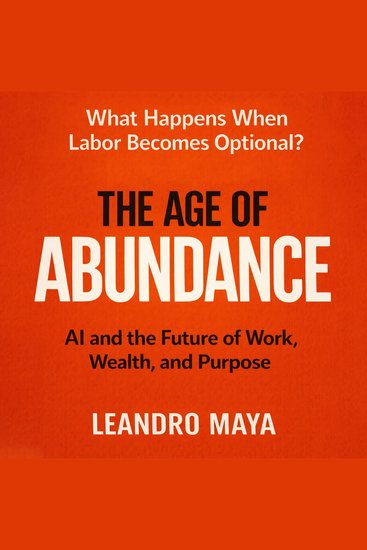
  • The Age of Abundance - AI and the Future of Work Wealth and Purpose - cover

    The Age of Abundance - AI and...

    Leandro Maya

    • 0
    • 0
    • 0
    What happens to society when machines can do almost everything, and most people no longer need to work? 
    The Age of Abundance is not a book about robots taking jobs. It is a book about what comes after. Drawing on economics, history, and decades of experience at the intersection of finance and technology, Leandro Maya argues that humanity is approaching a transformation unlike anything in recorded history, one that promises extraordinary wealth and devastating disruption in equal measure. 
    At the center of this transformation are two problems that no one is talking about. The ladder problem: automation is eliminating the entry-level positions that have always served as the first rung of career development, cutting off the path before millions of people ever get to climb it. And the purpose problem: when work becomes optional, what gives life meaning? 
    Neither blindly optimistic nor needlessly alarming, The Age of Abundance charts a more honest and more human path through the economic revolution already underway, one that finance professionals, business leaders, and curious minds cannot afford to ignore.
    Show book
  • HowExpert Guide to Sustainability - cover

    HowExpert Guide to Sustainability

    HowExpert

    • 0
    • 0
    • 0
    If you’re eager to embrace an eco-friendly lifestyle, adopt sustainable habits, and live in harmony with the planet, then "HowExpert Guide to Sustainability" is the resource for you. This handbook provides practical tips, inspiring ideas, and actionable strategies to help you reduce your environmental impact. Whether you’re just starting or refining existing practices, this guide covers every key aspect of green living, empowering you to make lasting, positive changes. 
    From adopting simple daily routines to implementing long-term sustainable strategies, this book offers a clear, step-by-step approach that’s easy to follow. Even small changes, like using reusable products, conserving energy, or reducing waste, can have a meaningful impact. Let this guide inspire you to take important steps toward a greener lifestyle, contributing to a healthier planet for future generations. 
    Inside, you’ll discover: 
    - Introduction 
    - Chapter 1: Building Eco-Friendly Habits 
    - Chapter 2: Green Lifestyle Essentials 
    - Chapter 3: Sustainable Food and Nutrition 
    - Chapter 4: Conscious Consumption 
    - Chapter 5: Eco-Friendly Transportation 
    - Chapter 6: Green Energy Solutions 
    - Chapter 7: Water Conservation 
    - Chapter 8: Reducing Waste 
    - Chapter 9: Sustainable Gardening 
    - Chapter 10: Sustainable Finances 
    - Chapter 11: Health Benefits of Sustainable Living 
    - Chapter 12: Sustainable Parenting 
    - Chapter 13: Building Sustainable Communities 
    - Chapter 14: Environmental Advocacy 
    - Chapter 15: The Future of Sustainability 
    - Conclusion 
    - Appendices 
    Whether you’re making small changes like reducing single-use plastics or committing to a zero-waste lifestyle, this book empowers you to make impactful shifts. Sustainable living not only benefits the planet but also enhances your health, finances, and overall well-being.
    Show book
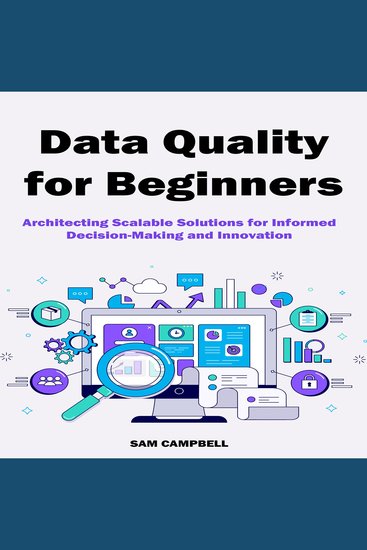
  • Data Quality for Beginners - Architecting Scalable Solutions for Informed Decision-Making and Innovation - cover

    Data Quality for Beginners -...

    SAM CAMPBELL

    • 0
    • 0
    • 0
    "Data Quality for Beginners: Architecting Scalable Solutions for Informed Decision-Making and Innovation" is an essential guide for those embarking on the journey to understand and improve the quality of data within their organizations. This comprehensive book demystifies the complexities surrounding data quality, offering readers a foundational understanding coupled with practical insights into architecting scalable solutions that foster informed decision-making and drive innovation. 
    Starting with the basics, the book explores the critical importance of high-quality data in the modern business landscape, where data-driven decisions and strategies have become paramount. It introduces readers to the key concepts of data quality, including accuracy, completeness, consistency, timeliness, and reliability, and explains why each is vital for organizational success. 
    The heart of the book is dedicated to guiding beginners through the process of establishing robust data quality management frameworks (DQMFs). It covers the steps involved in assessing current data quality, setting realistic improvement goals, and developing strategies to address identified issues. The book emphasizes the role of continuous monitoring and maintenance to ensure long-term data quality, alongside the implementation of effective data governance to support these efforts. 
    "Data Quality for Beginners" also dives into the technical aspects of architecting scalable data quality solutions, including the selection and application of data quality tools and technologies. It explores how artificial intelligence and machine learning can be leveraged to enhance data quality processes, making them more efficient and proactive. 
     
    Show book
  • Tech Monopoly - (The MIT Press Essential Knowledge series) - cover

    Tech Monopoly - (The MIT Press...

    Herbert Hovenkamp

    • 0
    • 0
    • 0
    In recent years, the astronomical rise of tech giants like Amazon, Apple, Meta, and Microsoft has been criticized as anticompetitive, and many have wondered if antitrust law can help protect workers and consumers. In Tech Monopoly, Herbert Hovenkamp explores competition problems in a wide range of high-tech firms—from those that sell purely digital products, such as video streaming, search, software, or email services, to others that sell more traditional "tactile" products, such as hardware, clothing, groceries, or rides. He offers a realistic look at the powers and limitations of antitrust law in tech markets with an assessment that is as comprehensive as it is accessible. 


    After a general introduction to antitrust law, Tech Monopoly considers how competitive harm should be assessed in these markets. Then Hovenkamp looks at the role of large digital platforms, including Amazon, Alphabet, Apple, Meta, and Microsoft, and considers whether their size alone is an antitrust problem or if the concern should be limited to market power. Finally, the author addresses the very difficult problem of remedies. Should we "break up" big tech, and if so, how? What kind of breakup of these firms would make users or others better off? And if breakups are not the only possible antitrust fix, are there more effective and less disruptive alternatives?
    Show book