
Join us on a literary world trip!
Add this book to bookshelf
Grey
Write a new comment Default profile 50px
Grey
Subscribe to read the full book or read the first pages for free!
All characters reduced
Studies in Classic American Literature - cover

Studies in Classic American Literature

D. H. Lawrence

Publisher: DigiCat

  • 0
  • 0
  • 0

Summary

In "Studies in Classic American Literature," D. H. Lawrence embarks on a deep exploration of key American literary figures, including Hawthorne, Whitman, and Melville. Through a series of essays, Lawrence employs a richly poetic style that blends personal reflection with critical analysis, encouraging readers to perceive the profound emotional and spiritual undercurrents in American literature. This work situates itself within the broader context of early 20th-century literary criticism, offering a fresh lens through which to view the moral and philosophical concerns of the American literary canon. D. H. Lawrence, an influential novelist and poet regarded for his bold exploration of human relationships and the psyche, drew inspiration from his experiences with diverse cultures and philosophies. His own writings, which often interrogate themes of individuality versus societal norms, resonate with the subjects he analyzes in this collection. Lawrence's unique transnational perspective, shaped by both his English heritage and his engagement with American culture, fuels his desire to elucidate the depths of American literary expression. This book is a must-read for literary scholars, students, and anyone interested in the intersections of culture and literature. Lawrence's innovative critiques not only illuminate the essence of classic American texts but also challenge readers to grapple with the ongoing relevance of these works in contemporary discourse.
Available since: 05/29/2022.
Print length: 147 pages.
Other books that might interest you

  • Aztec and Mayan Mythology - Quetzalcoatl Kukulkan and the Gods of Mesoamerica - cover

    Aztec and Mayan Mythology -...

    Johnny Nelson

    • 0
    • 0
    • 0
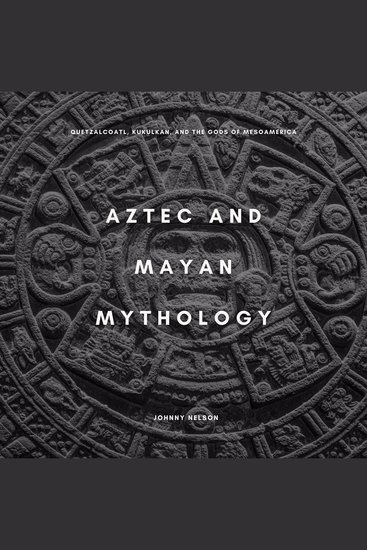
    Embark on a captivating journey into the heart of Mesoamerican civilization with Aztec and Mayan Mythology: Quetzalcoatl, Kukulkan, and the Gods of Mesoamerica. This comprehensive audiobook delves into the rich tapestry of myths and legends that have shaped the cultural and spiritual landscapes of ancient Mexico and Central America. 
    Discover the enigmatic Quetzalcoatl, the feathered serpent deity revered by the Aztecs, symbolizing wisdom, wind, and creation. Explore the tales of Kukulkan, his Mayan counterpart, whose influence permeates the sacred architecture of Chichen Itza. Uncover the stories of Tezcatlipoca, the god of the night sky and destiny, and Huitzilopochtli, the formidable god of war and the sun. 
    Delve into the Mayan pantheon, meeting deities like Itzamna, the creator god, and Ix Chel, the goddess of the moon and fertility. Understand the significance of the Popol Vuh, the Mayan creation epic, and the intricate calendar systems that guided agricultural and ceremonial life. 
    This audiobook offers more than just stories; it provides context and analysis, shedding light on the societal values, cosmology, and rituals of the Aztec and Mayan civilizations. Through engaging narratives and scholarly insights, listeners will gain a deeper appreciation for the complexities of these ancient cultures. 
    Ideal for enthusiasts of mythology, history, and anthropology, Aztec and Mayan Mythology serves as both an introduction and a detailed exploration of Mesoamerican lore. Whether you're a student, educator, or curious listener, this audiobook will enrich your understanding of the gods and legends that continue to influence modern culture. 
    With its blend of storytelling and academic rigor, this audiobook is a valuable resource for anyone seeking to connect with the profound spiritual heritage of the Aztec and Mayan peoples.
    Show book
  • Gladiators and Games - The Spectacles of Rome - cover

    Gladiators and Games - The...

    Rogan Fish

    • 0
    • 0
    • 0
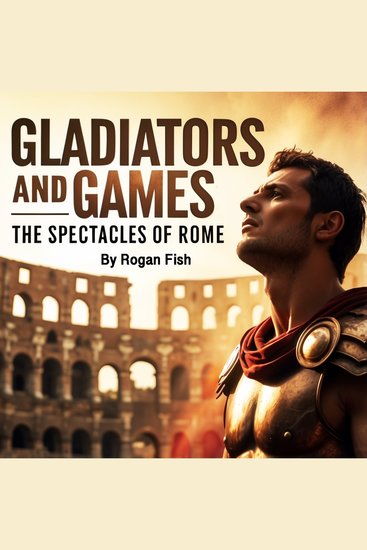
    The origins of gladiatorial games can be traced back to the ancient Roman Republic, although their roots extend even further back into earlier civilizations. While the gladiatorial contests that are iconic today were popularized by the Romans, the initial concept of such games was deeply influenced by traditions and customs from earlier societies, especially the Etruscans. In fact, the Etruscans are often credited with introducing the practice of gladiatorial combat to the Roman world. 
    The earliest gladiatorial contests were likely held as part of funeral rites. Roman aristocrats and leaders believed that these violent spectacles would honor the deceased and ensure their passage into the afterlife. These games, known as munera, were originally private events, organized by wealthy individuals to display their power and wealth, while offering a form of public entertainment. The idea was that the bloodshed and valor shown by the fighters would symbolize a tribute to the dead and possibly even appease the spirits of the departed. The number of gladiators involved in these early contests was small, and the fights were often staged in temporary arenas. 
    The practice gradually evolved from being a private funeral tradition into a state-sponsored spectacle, especially during the 3rd century BCE, as the Republic expanded and began to look for ways to solidify its control over its vast territories. The games became a tool of political propaganda, used by ambitious politicians and generals to gain favor with the masses. By the time of the Roman Empire, these gladiatorial contests had grown to monumental proportions, with arenas like the Colosseum hosting thousands of spectators.
    Show book
  • Works and Customs in Palestine Volume I 2 - The Course of the Year and the Course of the Day Second Half: Spring and Summer - cover

    Works and Customs in Palestine...

    Gustaf Dalman

    • 0
    • 0
    • 0
    Volume I; Part 2, Spring and Summer, continues dealing with agriculture in general, because the seasons of Palestine could not be described without describing the various farming tasks connected to them, and the religious customs associated with them.
    Show book
  • Stay Here - Uncovering God's Plan to Restore Your Mental Health - cover

    Stay Here - Uncovering God's...

    Jacob Coyne

    • 0
    • 0
    • 0
    Please stay. The world is so much better with you in it. 
     
    Every forty seconds, someone takes his or her life. Anxiety, depression, and suicide are at all-time highs--and they're stealing our sons, daughters, friends, and spouses. 
     
    With tender passion and bold hope, Jacob Coyne, founder of Stay Here, infuses life into the dark corners of mental health. Giving hurting souls a reason to live, he shows not only how Jesus brings life to the full, but also how anyone--regardless of their past or pain--can find healing, including how to 
     
    · attack our anxiety and calm our storms; 
    · defeat depression and live with a sound mind; 
    · overcome intrusive suicidal thoughts and enjoy life; and 
    · transform pain, trauma, suicidal thoughts, and addictions into purpose. 
     
    It's okay to not be okay--but you don't have to stay that way. It's time to shine the hope of Christ into the darkness and witness His love transform broken souls into living, breathing signs to live.
    Show book
  • The Book of Tea - cover

    The Book of Tea

    Okakura Kakuzō

    • 0
    • 0
    • 0
    The Book of Tea was written by Okakura Kakuzo in the early 20th century. It was first published in 1906, and has since been republished many times. - In the book, Kakuzo introduces the term Teaism and how Tea has affected nearly every aspect of Japanese culture, thought, and life. The book is noted to be accessible to Western audiences because though Kakuzo was born and raised Japanese, he was trained from a young age to speak English; and would speak it all his life, becoming proficient at communicating his thoughts in the Western Mind. In his book he elucidates such topics as Zen and Taoism, but also the secular aspects of Tea and Japanese life. The book emphasizes how Teaism taught the Japanese many things; most importantly, simplicity. Kakuzo argues that this tea-induced simplicity affected art and architecture, and he was a long-time student of the visual arts. He ends the book with a chapter on Tea Masters, and spends some time talking about Sen no Rikyu and his contribution to the Japanese Tea Ceremony.
    Show book
  • HO'OPONOPONO - A Christian perspective of forgiveness prayer and healing for the body and soul - cover

    HO'OPONOPONO - A Christian...

    Arcelio Hernández Mussio

    • 0
    • 0
    • 0
    Christians are called on to examine everything. Ho’oponopono may be integrated into spiritual life by Christians for soul-cleansing and self-healing purposes. There is no need to believe in reincarnation or to worship other Gods. Love, forgiveness, reconciliation, and gratefulness can only lead to a positive state of mind, which may benefit many aspects, from health to success in relationships and business. 
    Christianity and Ho’oponopono recognize that it is God who can cleanse the soul. Our job is to petition the cleaning, for which Ho’oponopono provides an effective method, which may be added to Christian soul-cleaning practices such as prayer, reading the Holy Scriptures, and listening to sermons inspired by biblical teachings. 
    In both traditions, soul-cleansing is a lifelong process. One must make this a way of life. Love, forgiveness, and gratitude bring about joy. We can choose to be free of the painful memories that burden our souls by making this mantra or prayer a habit. 
    This book goes deeply into both traditions to find similarities and insights.
    Show book