Junte-se a nós em uma viagem ao mundo dos livros!
Adicionar este livro à prateleira
Grey
Deixe um novo comentário Default profile 50px
Grey
Assine para ler o livro completo ou leia as primeiras páginas de graça!
All characters reduced
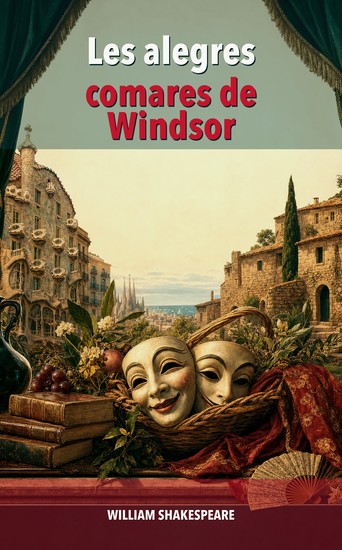
Les alegres comares de Windsor - cover
LER

Les alegres comares de Windsor

William Shakespeare

Editora: Caelwick Press

  • 0
  • 0
  • 0

Sinopse

"Les alegres comares de Windsor" by William Shakespeare is a comedy first published in 1602. The impoverished Sir John Falstaff schemes to seduce two wealthy married women for financial gain, but the clever wives turn the tables on him with a series of humiliating pranks. Meanwhile, three suitors compete for the hand of Anne Page, each with different supporters among her family. Set in Elizabethan England, the play weaves together romantic deception, jealous husbands, and escalating revenge in Shakespeare's comic portrait of middle-class life. This Catalan-language digital edition is prepared with active navigation, clean typography, a custom cover and a reading file stripped of source-site notices, donation text and unnecessary external links.
Disponível desde: 17/06/2026.
Comprimento de impressão: 91 páginas.
Outros livros que poderiam interessá-lo

  • L'Escrita - cover

    L'Escrita

    Perejaume

    • 0
    • 0
    • 0
    ¿Com exercir l'escriptura com una força còsmica més? ¿Com procurar-se un discurs en el qual, més enllà de les personals, hi dominin causes territorials o climàtiques? ¿Com accedir a una escriptura de la matèria o compartida amb la matèria, que doni alternatives i camp a la nostra creació tan cansadament humana?
    
    Perejaume (Sant Pol de Mar, 1957) és artista i escriptor. Ha publicat Ludwig Jujol (1989), Oïsme (1998), Obreda (2003), Pagèsiques (2011), Mareperlers i ovaladors (2013), Paraules locals (2015), Treure una marededéu a ballar (2018) i El sol i les fogueres (2022), entre altres llibres.
    
    «Escriure per repetició, com els arbres. Perquè tot allò que es repeteix, perdura. Per a Perejaume, escriure és una delectació constant envers la ciclicitat i el poder de reversió i erosió que hi amaga», Carla Marco (La Lectora)
    
    «Hi ha aventures literàries que creen llibres híbrids i inclassificables, amb les seves regles i coordenades. És el cas de Perejaume, que crea un espai propi i transferible, exigent però permeable, conscient que necessita fer partícip el lector», Francesc Serés (Diari Ara)
    
    «Perejaume parla com el poeta que també és, perquè la seva mirada és poètica i agrària, dos elements que queden palesos en la seva obra», Montserrat Serra (Vilaweb)
    
    «Perejaume és un pensador modern, no pas d'un nostàlgic encallat en el romanticisme», Joan Burdeus (Quadern, El País)
    
    «Semblaria que l'objectiu de Perejaume és llegir el món per primer cop amb una mirada primigènia, singular i solitària, com si el veiés realment per primera vegada i, fascinat pel que ha vist, tan sols ho pogués descriure i dir portant el llenguatge fins als límits de la densitat i el fulgor, com si la revelació de l'esperit descobert transcendís i fes explotar els recursos verbals», Ponç Puigdevall (Quadern, El País)
    
    «Hi ha obres que no existirien sense els textos, les obres i instal·lacions de Perejaume; sense la sofisticació popular de Sagarra i la delicadesa espiritual de Carner, sense Verdaguer i sense el Cançoner de Milà i Fontanals» Julià Guillamon (Cultura|s, La Vanguardia)
    
    «Qualsevol escriptor, en qualsevol moment, té una actitud solitària respecte del seu temps, però és una actitud sentida, de ser conscient de quina és la teva tradició i del teu paper aquí. Agamben diu que no escriu pels coetanis, ni pels que vindran, sinó pels morts. Jo m'hi apunto. També en Perejaume hi ha aquesta connexió, una persona amb qui he tingut la sort de tenir força relació», Toni Sala
    Ver livro
  • La bona gent: Obra en quatre actes - cover

    La bona gent: Obra en quatre actes

    Santiago Rusinol

    • 0
    • 0
    • 0
    "La bona gent: Obra en quatre actes" by Santiago Rusiñol is a theatrical play written in the early 20th century. This work explores societal dynamics through the lens of characters involved in a pawnbroking establishment, revealing the struggles and interactions among the economically deprived and the well-off. The play presents a rich tapestry of characters including Sr. Batista, the pawnbroker, who navigates the moral complexities related to his business and interactions with customers and family. The opening of the play introduces us to a bustling pawnbroker's shop where various characters come and go, each bringing their struggles and personal histories. Sr. Batista is depicted as shrewd yet sympathetic, often reflecting on the nature of poverty and human dignity as he deals with customers like a desperate woman seeking money for her sick husband. The conversations among Batista's employees and customers reflect a blend of humor and commentary on social class, loyalty, and the harsh realities of life. As the characters navigate their relationships, Rusiñol sets the stage for deeper explorations of themes such as familial obligation, societal norms, and individual aspirations. This Catalan-language digital edition is prepared with active navigation, clean typography, a custom cover and a reading file stripped of source-site notices, donation text and unnecessary external links.
    Ver livro
  • La colla d'en Pep Mata; o "Els martirs de l'Inquisicio": Sainet - cover

    La colla d'en Pep Mata; o "Els...

    Ignasi Iglesias

    • 0
    • 0
    • 0
    "La colla d'en Pep Mata; o, 'Els martirs de l'Inquisició': Sainet" by Ignasi Iglésias is a theatrical play written in the early 20th century. This work is a satirical comedy that explores themes of love, ambition, and societal norms within the context of a small Catalan town. The play is set during contemporary times, reflecting the cultural and artistic tensions of the period. The story revolves around Pep Mata, the enthusiastic director of a local theatre group, who is eagerly preparing to stage a controversial play titled "Els martirs de l'Inquisició." Among the colorful cast of characters, including the talented but young Enriqueta Vallès and the temperamental Constança, the interactions are filled with comedic moments and struggles related to artistic aspirations and personal relationships. As the opening night approaches, tensions rise when the local authorities intervene, threatening to ban the performance due to its provocative content. In a comedic climax, Pep and his friends must navigate their desires and fears while dealing with the challenges of staging their production and maintaining their dignity as amateur actors. As the curtain falls, the play leaves the audience reflecting on the value of art and the nature of resistance against oppressive authority. This Catalan-language digital edition is prepared with active navigation, clean typography, a custom cover and a reading file stripped of source-site notices, donation text and unnecessary external links.
    Ver livro
  • Lo ferrer de tall: Drama en tres actes i en vers - cover

    Lo ferrer de tall: Drama en tres...

    Frederic Soler i Hubert

    • 0
    • 0
    • 0
    Lo ferrer de tall: Drama en tres actes i en vers by Frederic Soler i Hubert is presented as a clean Catalan-language ebook in the general tradition. The edition preserves the work's literary character while preparing it for sustained digital reading with an active table of contents and clear structure. The opening pages establish the tone with this passage: Estrenat ab brillant éxit en lo TEATRO CATALÁ instalat en lo TEATRO Romea, la nit del 16 d' Abril de 1874. Repartiment PERSONATJES ACTORS La Baronesa D.ª Francisca Soler Agneta " Catarina Mirambell Rosa " Elisa Mallí Biel " Roseta Cazurro Mestre Jordi D. Joaqu The file has been rebuilt for fluent reading without source-site boilerplate or extraneous links.
    Ver livro
  • Llibre d'horas - cover

    Llibre d'horas

    Apeles Mestres

    • 0
    • 0
    • 0
    "Llibre d''horas by Apeles Mestres" is a lyrical poetry collection written in the late 19th century. Shaped like a traditional book of hours, it traces a single day from dawn to night, blending vivid nature imagery with gentle philosophical reflections on time, presence, love, and a discreet sense of the divine. The morning poems awaken with the lark and first light, urging us to seize the only sure moment—now—while counseling calm, constancy, and trust in a higher purpose. Midday celebrates sunlit fields alive with birds, blossoms, and buzzing life. Afternoon turns meditative: clouds transform and pass, losses are met with nature's renewals, melancholy lengthens yet yields to hope, and twilight hushes the landscape as mountains sleep and two vigilant cats face off in a garden. Night widens the gaze to the cosmos—the moon's silent path, the world stilled under silver light, the Angel of Sleep, the clock grinding moments into eternity, questions whispered to the stars—and closes with a luminous vision of God moving through sky, sea, and fields, affirming the quiet rhythms of life and a serene, steadfast faith. This Catalan-language digital edition is prepared with active navigation, clean typography, a custom cover and a reading file stripped of source-site notices, donation text and unnecessary external links.
    Ver livro
  • La reina del cor: Comedia lirica en un acte - cover

    La reina del cor: Comedia lirica...

    Ignasi Iglesias

    • 0
    • 0
    • 0
    "La reina del cor : Comedia lírica en un acte by Ignasi Iglesias" is a one-act lyric comedy (stage play with songs) written in the early 20th century. Set in a rural Catalan inn on Saint Anthony Abbot's day, it blends music, festivity, and romantic intrigue; the likely topic is a simple love story unfolding amid a carters' celebration. The play follows Reina, a virtuous young maid, and Tralla, a frank, big-hearted widowed carter who adores her and dreams of giving her a home and a daughter to love. Paula, the bustling innkeeper, nudges Reina to accept him, and Reina finally admits she has loved Tralla all along. As the village revels in the Tres Toms—drinking, joking, and preparing for the evening dance—Ramonet, Paula's son and a local favorite, realizes too late that he also loves Reina. Tralla publicly declares his intentions, warns Ramonet to show respect, and sets off to fetch the marriage papers. The comic bustle of Milhomes and the other carters, the musicians' lively tunes, and the promise of the ball frame the happy resolution: Reina joyfully waves her kerchief to Tralla as he departs, sealing a straightforward, affectionate union in the midst of communal merriment. This Catalan-language digital edition is prepared with active navigation, clean typography, a custom cover and a reading file stripped of source-site notices, donation text and unnecessary external links.
    Ver livro