Rejoignez-nous pour un voyage dans le monde des livres!
Ajouter ce livre à l'électronique
Grey
Ecrivez un nouveau commentaire Default profile 50px
Grey
Abonnez-vous pour lire le livre complet ou lisez les premières pages gratuitement!
All characters reduced
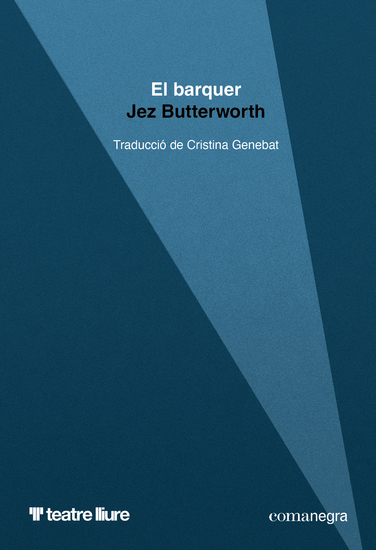
El barquer - cover

El barquer

Jez Butterworth

Traducteur Cristina Genebat

Maison d'édition: Comanegra

  • 0
  • 0
  • 0

Synopsis

Un dia de finals d'agost, a la convulsa Irlanda del Nord de l'any 1981. Mentre un grup de joves presos de l'IRA reclama l'estatus de pres polític amb una vaga de fam que ja ha deixat víctimes mortals, a la granja dels Carney se celebra el dia de la collita: un dia de festa que es veurà bruscament interromput per un esdeveniment inesperat.

L'autor anglès Jez Butterworth signa aquesta monumental història familiar: una epopeia de lleialtats i fractures, de traïcions i redempcions, que travessa el conflicte angloirlandès de l'últim quart del segle XX i n'explora les conseqüències íntimes.
Disponible depuis: 28/01/2026.
Longueur d'impression: 108 pages.
D'autres livres qui pourraient vous intéresser

  • L'Escrita - cover

    L'Escrita

    Perejaume

    • 0
    • 0
    • 0
    ¿Com exercir l'escriptura com una força còsmica més? ¿Com procurar-se un discurs en el qual, més enllà de les personals, hi dominin causes territorials o climàtiques? ¿Com accedir a una escriptura de la matèria o compartida amb la matèria, que doni alternatives i camp a la nostra creació tan cansadament humana?
    
    Perejaume (Sant Pol de Mar, 1957) és artista i escriptor. Ha publicat Ludwig Jujol (1989), Oïsme (1998), Obreda (2003), Pagèsiques (2011), Mareperlers i ovaladors (2013), Paraules locals (2015), Treure una marededéu a ballar (2018) i El sol i les fogueres (2022), entre altres llibres.
    
    «Escriure per repetició, com els arbres. Perquè tot allò que es repeteix, perdura. Per a Perejaume, escriure és una delectació constant envers la ciclicitat i el poder de reversió i erosió que hi amaga», Carla Marco (La Lectora)
    
    «Hi ha aventures literàries que creen llibres híbrids i inclassificables, amb les seves regles i coordenades. És el cas de Perejaume, que crea un espai propi i transferible, exigent però permeable, conscient que necessita fer partícip el lector», Francesc Serés (Diari Ara)
    
    «Perejaume parla com el poeta que també és, perquè la seva mirada és poètica i agrària, dos elements que queden palesos en la seva obra», Montserrat Serra (Vilaweb)
    
    «Perejaume és un pensador modern, no pas d'un nostàlgic encallat en el romanticisme», Joan Burdeus (Quadern, El País)
    
    «Semblaria que l'objectiu de Perejaume és llegir el món per primer cop amb una mirada primigènia, singular i solitària, com si el veiés realment per primera vegada i, fascinat pel que ha vist, tan sols ho pogués descriure i dir portant el llenguatge fins als límits de la densitat i el fulgor, com si la revelació de l'esperit descobert transcendís i fes explotar els recursos verbals», Ponç Puigdevall (Quadern, El País)
    
    «Hi ha obres que no existirien sense els textos, les obres i instal·lacions de Perejaume; sense la sofisticació popular de Sagarra i la delicadesa espiritual de Carner, sense Verdaguer i sense el Cançoner de Milà i Fontanals» Julià Guillamon (Cultura|s, La Vanguardia)
    
    «Qualsevol escriptor, en qualsevol moment, té una actitud solitària respecte del seu temps, però és una actitud sentida, de ser conscient de quina és la teva tradició i del teu paper aquí. Agamben diu que no escriu pels coetanis, ni pels que vindran, sinó pels morts. Jo m'hi apunto. També en Perejaume hi ha aquesta connexió, una persona amb qui he tingut la sort de tenir força relació», Toni Sala
    Voir livre
  • La brama del cérvol - Una experiència única en un marc incomparable - cover

    La brama del cérvol - Una...

    Joan Yago, La Calòrica

    • 0
    • 0
    • 0
    Un vell hotel de muntanya enmig del no-res. Alguns han vingut des de molt lluny per sentir la majestuosa brama del cérvol; totes les guies ho descriuen com una experiència única. D'altres han vingut a tancar un important negoci immobiliari o a intentar salvar el seu matrimoni. També hi ha un grup de creadors escènics que espera passar uns dies discutint sobre les possibilitats del teatre polític per transformar la societat, i dues noies perdudes al bosc, a la recerca d'una festa secreta que, segons diuen alguns, se celebra en aquella vall des de fa mil anys.
    Històries múltiples, personatges que es creuen: uns estan paralitzats pel sentiment de buidor, d'altres necessiten escapar del soroll... Però tots estan sols al món, o això és el que es pensen. Mentrestant, van passant els dies i encara ningú ha sentit la brama dels cérvols.
    Voir livre
  • Matrimonis a Montserrat o Buscant la perduda: Anada en dos actes i en diferents quadros - cover

    Matrimonis a Montserrat o...

    Conrad Roure

    • 0
    • 0
    • 0
    "Matrimonis a Montserrat ó Buscant la perduda : Anada en dos actes i en…." by Conrad Roure is a Catalan comedic play written in the late 19th century. Set during a lively excursion to the Montserrat monastery, it centers on two mismatched newlyweds—Bonifaci with the young Cándida, and the young Martí with the older Pona—and on Miquel, a peasant anxiously searching for his wife Roseta. The tone is musical and playful, with choruses, dances, and gentle satire of excursionists and petty officials as jealousy and flirtation spark comic frictions. The opening of the play begins in a crowded railway carriage bound for Montserrat, where the travelers sing, banter, and we meet the couples, the jovial Narcís, and Miquel, who admits he has "lost" Roseta. At the monastery, lodging is arranged side by side, Pona's jealousy flares, and by moonlight at the hermitage of the Apòstols a bumbling town council from the Bruch provides comic relief before everyone dances a sardana. In the restaurant scenes, excursionists toast local wine while a photographer fusses over staging a group portrait; Cándida performs a waltz, Pona needles Martí, and Miquel ruins one shot by shouting "Roseta!" as he keeps searching. On the paths to the Cova and toward Sant Jeroni, a chorus of mariners sings in a panoramic interlude, and Narcís finally brings Miquel reassuring news via a trader's message that Roseta is well, as the party prepares to continue its outing—some on donkeys, others on foot. This Catalan-language digital edition is prepared with active navigation, clean typography, a custom cover and a reading file stripped of source-site notices, donation text and unnecessary external links.
    Voir livre
  • La neboda: Comedia en tres actes en prosa - cover

    La neboda: Comedia en tres actes...

    Teodoro Baro

    • 0
    • 0
    • 0
    La neboda by Teodoro Baró is a stage comedy in three acts written in the late 19th century. Set in a Catalan village house owned by a distinguished doctor, it satirizes class pretension and the tug-of-war between romantic feeling and social ambition. The story follows the proud widow Doña Maria as she tries to block her son Mariano's love for the humble Ramoneta, even as she herself warms to the village doctor, with a chorus of quick-tongued servants fueling intrigue and humor. The opening of the play establishes the bustling country household: Miquel and Antonia haggle over provisions, while the cook Tuyas duels wittily with local tastes, and Nando boasts and flirts. Tayabas, a talkative go‑between, lets slip Maria's modest past and her determination to stop Mariano from marrying a shopkeeper's daughter, prompting comic plans like staging a "successful" hunt with released tame rabbits. Maria and Mariano clash over his intentions, and the local physician Don Tomás—once the student "Tomaset," now a retired general—arrives, rekindling a warm familiarity with Maria. At the start of the second act the salon is spruced up, a fruit basket arrives from Ramoneta, Tayabas monitors letters from Barcelona, and Mariano returns to scold him for meddling; Don Tomás privately admits he's in love, and he and Maria cautiously contemplate marriage while worrying how to break the news to family. This Catalan-language digital edition is prepared with active navigation, clean typography, a custom cover and a reading file stripped of source-site notices, donation text and unnecessary external links.
    Voir livre
  • La colla d'en Pep Mata; o "Els martirs de l'Inquisicio": Sainet - cover

    La colla d'en Pep Mata; o "Els...

    Ignasi Iglesias

    • 0
    • 0
    • 0
    "La colla d'en Pep Mata; o, 'Els martirs de l'Inquisició': Sainet" by Ignasi Iglésias is a theatrical play written in the early 20th century. This work is a satirical comedy that explores themes of love, ambition, and societal norms within the context of a small Catalan town. The play is set during contemporary times, reflecting the cultural and artistic tensions of the period. The story revolves around Pep Mata, the enthusiastic director of a local theatre group, who is eagerly preparing to stage a controversial play titled "Els martirs de l'Inquisició." Among the colorful cast of characters, including the talented but young Enriqueta Vallès and the temperamental Constança, the interactions are filled with comedic moments and struggles related to artistic aspirations and personal relationships. As the opening night approaches, tensions rise when the local authorities intervene, threatening to ban the performance due to its provocative content. In a comedic climax, Pep and his friends must navigate their desires and fears while dealing with the challenges of staging their production and maintaining their dignity as amateur actors. As the curtain falls, the play leaves the audience reflecting on the value of art and the nature of resistance against oppressive authority. This Catalan-language digital edition is prepared with active navigation, clean typography, a custom cover and a reading file stripped of source-site notices, donation text and unnecessary external links.
    Voir livre
  • Els idols: Quadre en un acte y en prosa - cover

    Els idols: Quadre en un acte y...

    Carme Karr

    • 0
    • 0
    • 0
    Els idols by Carme Karr is a one-act domestic drama written in the early 20th century. The play centers on marital infidelity and the collapse of idealized male "idols," contrasting romantic illusions with the pragmatic wisdom women use to preserve family and social respectability. Joana arrives at her parents' home in anguish after discovering a perfumed letter from Lulú, a showgirl arranging a tryst with Joana's husband, Lluís. Furious and ready to confront him and demand a divorce, she even flirts with thoughts of revenge. Her mother, Donya Maria, steadies her, insisting on dignity, the children's welfare, and the reality of social double standards. To teach her, Donya Maria reveals secret letters proving that Joana's father once betrayed her too, yet she chose to forgive and maintain peace at home for the sake of the family. Humbled, Joana agrees to take the children away briefly, return soon, and "hold the post" beside her husband, resolved to forgive. Alone, Donya Maria burns the old letters, hides Lulú's note, and, with a wry, tender irony toward the ever-fallible "idol," prepares to welcome her husband home. This Catalan-language digital edition is prepared with active navigation, clean typography, a custom cover and a reading file stripped of source-site notices, donation text and unnecessary external links.
    Voir livre