Junte-se a nós em uma viagem ao mundo dos livros!
Adicionar este livro à prateleira
Grey
Deixe um novo comentário Default profile 50px
Grey
Assine para ler o livro completo ou leia as primeiras páginas de graça!
All characters reduced
The Hidden Self - Enriched edition - cover
LER

The Hidden Self - Enriched edition

William James

Editora: DigiCat

  • 0
  • 0
  • 0

Sinopse

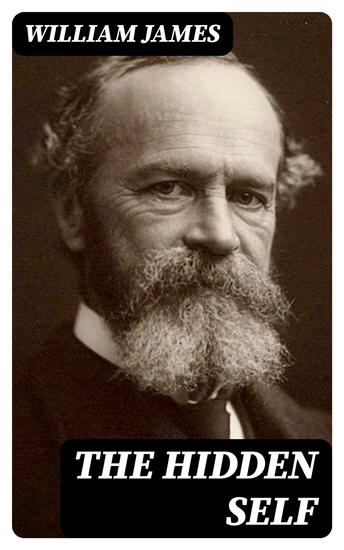
In "The Hidden Self," William James delves into the intricacies of human consciousness, exploring the duality between the public personas we project and the private selves we harbor. Employing a contemplative and engaging literary style, James intertwines philosophical inquiry with psychological analysis, inviting readers to reconsider their understanding of identity and selfhood. This work emerges from the broader literary context of the late 19th century, a period rich in psychological exploration, making James's insights particularly relevant as he grapples with the implications of a fragmented self in a rapidly modernizing world. William James, a prominent figure in the realms of psychology and philosophy, was instrumental in introducing pragmatism and functionalism to the American intellectual landscape. His extensive academic background, combined with personal reflections on his own struggles with identity, informed his exploration of the hidden aspects of the self. This dual perspective as both a scholar and a seeker of truth allows readers to appreciate the depth of his inquiry into the inner workings of the mind. "The Hidden Self" is an essential read for anyone seeking to deepen their understanding of the complexities of human identity. James's masterful prose and profound insights will resonate with readers from various disciplines, from psychology to philosophy, offering a thought-provoking journey into the layers of self and the often unseen aspects that shape our lives.

In this enriched edition, we have carefully created added value for your reading experience:
- A succinct Introduction situates the work's timeless appeal and themes.
- The Synopsis outlines the central plot, highlighting key developments without spoiling critical twists.
- A detailed Historical Context immerses you in the era's events and influences that shaped the writing.
- An Author Biography reveals milestones in the author's life, illuminating the personal insights behind the text.
- A thorough Analysis dissects symbols, motifs, and character arcs to unearth underlying meanings.
- Reflection questions prompt you to engage personally with the work's messages, connecting them to modern life.
- Hand‐picked Memorable Quotes shine a spotlight on moments of literary brilliance.
- Interactive footnotes clarify unusual references, historical allusions, and archaic phrases for an effortless, more informed read.
Disponível desde: 29/05/2022.
Comprimento de impressão: 25 páginas.


Outros livros que poderiam interessá-lo

  • Walking Towards Gold - cover

    Walking Towards Gold

    Sally Cook

    • 0
    • 0
    • 0
    Walking  Towards Gold tells the story of the author's pioneer colonist forebears who arrived in newly formed Adelaide , South Australia from Portsmouth,  in June 1838 and how thirteen years later three of them walked 580 miles from Adelaide to the Victorian goldfields pushing a wheelbarrow.. There are intrepid accounts and interesting descriptions of early Adelaide and life on the Victorian goldfields. This is part of the Downer family's story.
    Ver livro
  • The Cuban Missile Crisis - Brink of Nuclear War - cover

    The Cuban Missile Crisis - Brink...

    Nova Ashford

    • 0
    • 0
    • 0
    The Cuban Missile Crisis, one of the most critical moments in the Cold War, did not emerge in isolation but was the culmination of a decades-long geopolitical struggle between the United States and the Soviet Union. The context of this crisis lies deeply within the broader Cold War, which began shortly after the end of World War II. This period was marked by intense ideological rivalry, military standoffs, and a nuclear arms race that would define much of the second half of the 20th century. 
    The origins of the Cold War can be traced back to the conflicting political and economic ideologies of the two superpowers. The United States, championing capitalism and democracy, viewed the spread of communism, led by the Soviet Union, as a direct threat to global stability and democratic values. On the other hand, the Soviet Union, under the leadership of Joseph Stalin, sought to expand the reach of communism and solidify its control over Eastern Europe, which had been acquired as a result of the war. This division between the capitalist West and the communist East created a tense geopolitical environment that shaped every diplomatic interaction between the two powers. 
    In the early stages of the Cold War, several key events served to heighten the distrust between the U.S. and the Soviet Union. The Berlin Blockade in 1948, the Korean War in the early 1950s, and the formation of opposing military alliances like NATO (North Atlantic Treaty Organization) and the Warsaw Pact solidified the division of the world into two hostile camps. As both nations escalated their military capabilities, the nuclear arms race emerged as a central aspect of Cold War tensions. The development and stockpiling of nuclear weapons made the Cold War not just an ideological battle but also a dangerous game of survival, with the constant threat of global annihilation hanging over every political and military maneuver.
    Ver livro
  • Horizons Unbound - cover

    Horizons Unbound

    Santiago Machain

    • 0
    • 0
    • 0
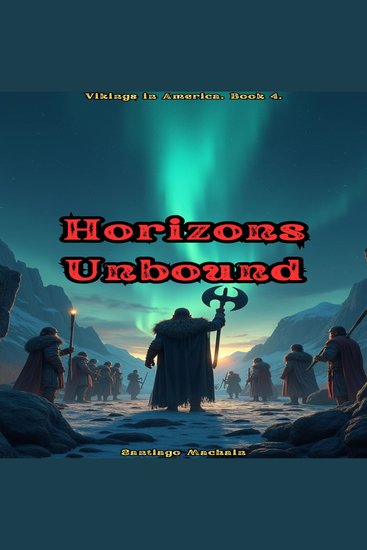
    Horizons Unbound chronicles the transformative era when daring voyages, cultural encounters, and the relentless pursuit of knowledge and wealth redrew the world's boundaries. Through vivid storytelling, the book explores the motivations behind exploration, the challenges faced by explorers, the profound impact on indigenous societies, and the exchange of goods, ideas, and diseases that reshaped continents. From the bustling markets of Tenochtitlan to the perilous return journeys of sailors, this volume delves into the triumphs and tragedies that defined an age when the world grew larger, more connected, and forever changed.
    Ver livro
  • The Chinese Fairy Book - cover

    The Chinese Fairy Book

    Frederick Martens

    • 0
    • 0
    • 0
    Step into a magical world with The Chinese Fairy Book, a timeless collection of enchanting tales gathered by Frederick Martens. This compilation brings to life the rich folklore and vibrant traditions of ancient China, filled with mythological creatures, legendary heroes, and wise sages. Each story weaves a tapestry of cultural wisdom, mystical adventures, and moral lessons that have been passed down through generations. 
    What to Expect:📚 Classic Folktales: Explore a treasure trove of stories, from heartwarming fables to epic legends, capturing the essence of Chinese heritage.🌏 Cultural Insights: Gain a deeper understanding of Chinese mythology, history, and the values embedded within these timeless tales.🎙️ Engaging Narration: Each story is brought to life with captivating storytelling, perfect for listeners of all ages who enjoy myths and folklore. 
    Why You’ll Love This Audiobook:Immersive Storytelling: Dive into narratives that take you to distant lands filled with dragons, fairies, and ancient deities.A Journey Through Time: Discover stories that reflect the wisdom, humor, and creativity of one of the world’s oldest civilizations. 
    Perfect for Fans of:Fairy tales and fables from around the worldMythology enthusiastsThose interested in Chinese culture and storytelling traditions 
    Rediscover the magic of fairy tales with The Chinese Fairy Book. It’s a literary journey you won’t want to miss!
    Ver livro
  • Clovis Culture The: The History and Legacy of the Prehistoric Paleoamericans - cover

    Clovis Culture The: The History...

    Editors Charles River

    • 0
    • 0
    • 0
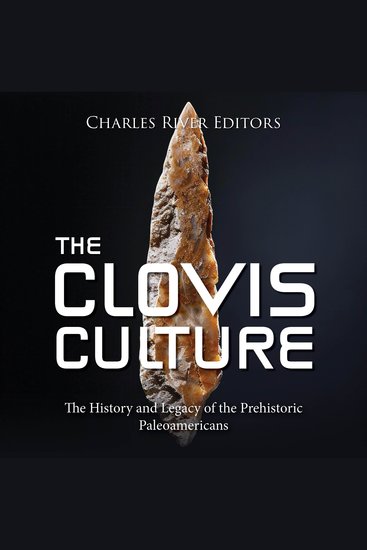
    In popular media and culture, the Paleolithic era is often depicted as a time when humans were completely savage, spoke with little more than grunts, hit women over their heads with clubs and kidnapped them, and of course, everyone lived in caves. The reality is that the Paleolithic era was a time of great change when humans coalesced into groups and developed different technologies that helped them survive and ultimately thrive in harsh environments. Among the most important technologies developed by Paleolithic humans were those helping them hunt because, after all, the Paleolithic era was when humans lived as hunters and gatherers, so human survival and advancement were contingent upon developing better tools and weapons.  
    Any examination of the Clovis culture begins with what is known. Archaeologists know the approximate chronological and geographic range of the Clovis culture, and they can identify what made the Clovis people unique. These were the projectile points the Clovis people made, setting them apart from most people that came before and after them, and it was those same tools that made them a successful people for such an extended period in the harsh climate of the Upper Paleolithic era (50,000 to 12,000 years ago). Scholars have also determined that the Clovis people were big game hunters, chasing and killing mammoths and other now-extinct animals across North America. The picture that has emerged of the Clovis people is one of an industrious, resourceful, and prolific people who became masters of the environment and North America for approximately 2,000 years. That being said, there is also much that is not known about the Clovis culture. For example, the Clovis people’s religious ideas, particularly about their views on an afterlife, remain a mystery. The lack of art at Clovis sites has also raised more questions, including if it was the result of a dearth of materials or societal norms and taboos.
    Ver livro
  • Lean on Me - A Politics of Radical Care - cover

    Lean on Me - A Politics of...

    Lynne Segal

    • 0
    • 0
    • 0
    Longtime feminist activist and writer Lynne Segal searches for hope in her own life and in the world around her, and finds it in our intimate commitments to each other and our shared collective engagements, the two being intertwined. Issues of care, intimacy, education, alongside meaningful work, and social engagement, lie at the core of our ability to understand the world and its possibilities for human flourishing. 


    Not only does our dependence on others not disappear into self-sufficient autonomy once we leave childhood behind—only to re-emerge in very old age—but ignoring human interdependence and our lifelong need for care has been part of a massive and destructive public denial that must be resisted. 


    Segal looks at our shared lifelong dependence on care and the well-being of others. In recounting from her own life the moments of motherhood, and of being on the front line of second wave feminism, Segal draws upon lessons from more than half a century of engagement in Left feminist politics, with its underlying commitment to building a more egalitarian and nurturing world. The personal and the political combine in this rallying cry to radically transform how we approach education, motherhood, and our everyday vulnerabilities of disability, aging, and enhanced needs.
    Ver livro