¡Acompáñanos a viajar por el mundo de los libros!
Añadir este libro a la estantería
Grey
Escribe un nuevo comentario Default profile 50px
Grey
Suscríbete para leer el libro completo o lee las primeras páginas gratis.
All characters reduced
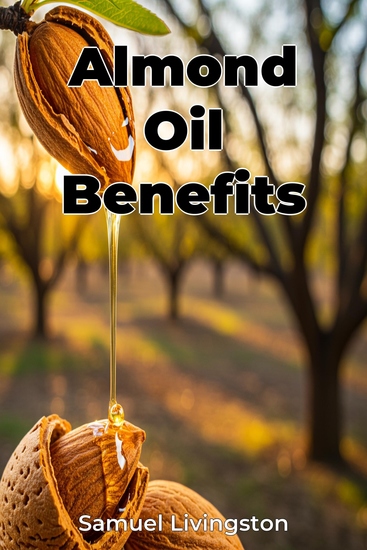
Almond Oil Benefits - cover

Almond Oil Benefits

Samuel Livingston

Traductor A AI

Editorial: Publifye

  • 0
  • 0
  • 0

Sinopsis

Almond Oil Benefits explores the extensive applications of almond oil in health and skincare, revealing its potential as a natural resource. This book examines almond oil's nutritional composition, including its vitamin E and fatty acid content, and its impact on everything from cardiovascular health to skin conditions like eczema and psoriasis. It highlights the oil's anti-inflammatory properties and moisturizing capabilities, moving beyond common perceptions to offer a scientifically grounded view.

 
The book begins by detailing almond cultivation and oil extraction, distinguishing between sweet and bitter almond oils. Subsequent chapters scrutinize its nutritional profile and skincare benefits, supported by peer-reviewed studies and clinical trials. It argues that almond oil is more than a flavoring agent, and shows how it can be integrated into daily routines.

 
Ultimately, Almond Oil Benefits provides practical guidelines for selecting high-quality almond oil, incorporating it into diets, and creating DIY skincare products. It offers a consolidated, evidence-based view, making it valuable for health-conscious individuals and skincare enthusiasts seeking natural remedies.
Disponible desde: 27/02/2025.
Longitud de impresión: 81 páginas.
Otros libros que te pueden interesar

  • Pseudoscience - A Very Short Introduction - cover

    Pseudoscience - A Very Short...

    Michael D. Gordin

    • 0
    • 0
    • 0
    Everyone has heard of the term "pseudoscience," typically used to describe something that looks like science, but is somehow false, misleading, or unproven. Given the virulence of contemporary disputes over the denial of climate change and anti-vaccination movements—both of which display allegations of "pseudoscience" on all sides—there is a clear need to better understand issues of scientific demarcation. 


    Pseudoscience: A Very Short Introduction explores the philosophical and historical attempts to address this problem of demarcation. This book argues that by understanding doctrines that are often seen as antithetical to science, we can learn a great deal about how science operated in the past and does today. This exploration raises several questions: How is the status of science shaped by political or cultural contexts? How does pseudoscience differ from scientific fraud? 


    Michael D. Gordin both answers these questions and guides listeners along a bewildering array of marginalized doctrines, looking at parapsychology (ESP), Lysenkoism, scientific racism, and alchemy, among others, to better understand the struggle to define what science is and is not. Pseudoscience: A Very Short Introduction provides a historical tour through many of these fringe fields in order to provide tools to think deeply about scientific controversies.
    Ver libro
  • Traditional Home Remedies - The Ancient Alternatives To Modern Medicines - cover

    Traditional Home Remedies - The...

    Owen Jones

    • 0
    • 0
    • 0
    I hope that you will find the information helpful, useful and profitable. 
    From long before the `medical profession` was remotely as reliable as it is today, people relied mostly on herbal cures. Most people had a rudimentary knowledge of the capabilities of of the flora that grew in their neighbourhood, and the older women tended to know more than most. These women were often referred to as wise women. By the way, they were the ones later persecuted by the established churches as witches, 
    The people who had this this superior knowledge of local herbs were heavily relied upon by the local community, and the best of the best would also `import` herbs from further afield. This knowledge has not been lost, but fewer modern men and women are in possession of it than their parents` and grandparents` generations. It could have been said to be dying out 
    However, there has been a revival of interest in the ancient cures, often referred to as traditional, alternative or natural remedies. There are many reasons for this. Some might be a breakdown of trust in the establishment and advertisers; the soaring cost of modern drugs; the increasing difficulty of getting to see a doctor; the side effects of strong chemical drugs; and even an upswell in the desire to return to a less chemical way of life. 
    Whatever the reason for your interest in this topic, I hope you enjoy this booklet. 
    The information in this ebook on various aspects of traditional home remedies and related ideas is organised into 19 chapters of about 500-600 words each.
    Ver libro
  • The Cancer Roadmap - cover

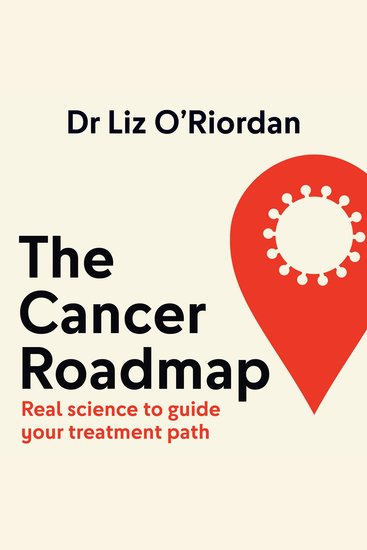
    The Cancer Roadmap

    Dr Liz O’Riordan

    • 0
    • 0
    • 0
    What is cancer? What causes it, and why do some people get it, while others don’t?  
    And with so much conflicting information now available – who can we really trust for sensible medical advice anyway?  
    ‘We wholeheartedly recommend The Cancer Roadmap’ The Bone Cancer Research Trust 
    ‘This book is essential, both a courageous no-nonsense companion and a comforting balm.’ Donna Ashworth 
    We all want certainty and hope for ourselves or those we love after a cancer diagnosis, but what we really need is honesty and truth. 
    In The Cancer Roadmap, breast cancer surgeon and three-time cancer patient Dr Liz O’Riordan confronts the big cancer truths (and myths), offering clear, evidence-based answers. She breaks down the latest research to give the facts you need to make informed treatment decisions that are right for you or your loved one. 
    She gives definitive answers to common questions such as:Is it your fault you got cancer?Do you need to stop drinking alcohol?Can you cure cancer by changing your diet?Does alternative medicine work better than chemo? 
    Dr Liz also suggests meaningful, practical steps to reduce the risk of future recurrence, even when the odds feel stacked against you. 
    Let her guide you through your cancer journey with confidence and clarity, and give you the best chance of your cure. 
    For fans of Kelly A. Turner (Radical Hope), James R. Doty (Mind Magic), Jane Mclelland (How to Starve Cancer ...without starving yourself), Deborah James (How to Live When You Could Be Dead), and Helen Bullen (Agnes, Bea, Cancer and Me).
    Ver libro
  • The End of Knowledge - cover

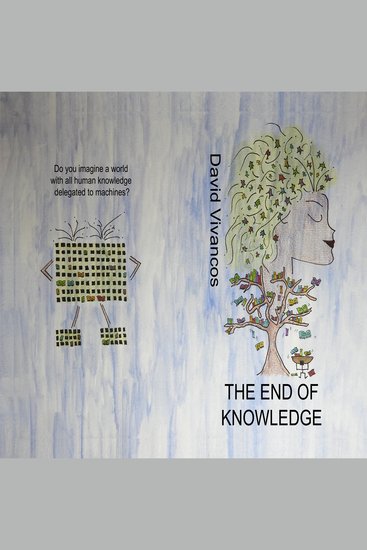
    The End of Knowledge

    David Vivancos

    • 0
    • 0
    • 0
    Is humanity ready to give up knowledge to machines?
    Ver libro
  • Early Detection - Catching Cancer When It's Curable - cover

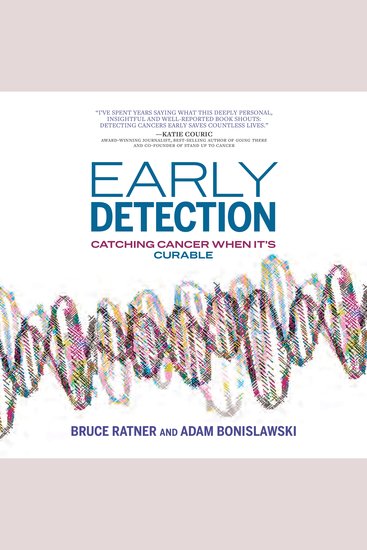
    Early Detection - Catching...

    Bruce Ratner, Adam Bonislawski

    • 0
    • 0
    • 0
    Catching cancer early remains the single best way to combat a disease that is the second-leading killer in both the US and worldwide. But the vast majority of resources in the fight against cancer are devoted to relatively ineffective late-stage treatments. Early Detection examines this important anomaly in an accessible and expertly researched survey.In a co-authorship that brings together the passion and urgency of someone touched deeply by the experience of cancer with the knowledge of a skilled science writer, Ratner and Bonislawski narrate compelling case studies across a range of screening programs and different forms of cancer. They look at the science underpinning early detection and discuss the organizational and social challenges of widespread screening, a dimension that has been shown to be especially important in the COVID-19 pandemic. And they call for the government and the medical establishment to provide resources for expanding screening, especially in economically disadvantaged communities that have traditionally been underserved.
    Ver libro
  • Civil Engineering - Systems Formulas Materials and Construction Practices for Land Development - cover

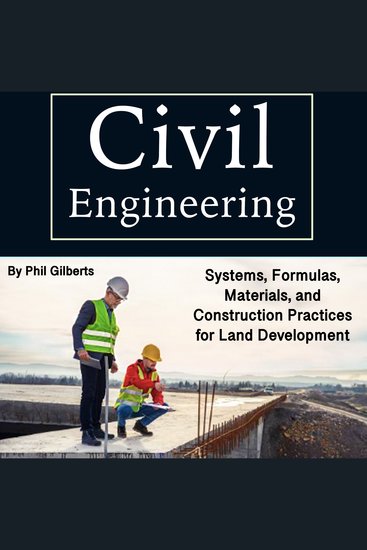
    Civil Engineering - Systems...

    Phil Gilberts

    • 0
    • 0
    • 0
    Civil engineering is a multifaceted field that intersects with many aspects of our daily lives. It involves the planning, design, construction, and maintenance of infrastructure that supports modern society, including buildings, bridges, roads, railways, airports, water supply and treatment systems, wastewater treatment plants, and more. Civil engineers collaborate with architects, urban planners, environmental scientists, and other professionals to create functional and resilient structures that meet the needs of communities while considering factors like safety, sustainability, cost-effectiveness, and environmental impact.  
    They use advanced technologies such as computer-aided design (CAD), geographic information systems (GIS), and Building Information Modeling (BIM) to optimize their designs and streamline project management processes. Moreover, civil engineering encompasses various specialized fields, including structural engineering (which focuses on designing safe and efficient structures), geotechnical engineering (which deals with soil and rock mechanics), transportation engineering (which involves designing and managing transportation systems), environmental engineering (which addresses pollution control and sustainable resource management), and water resources engineering (which focuses on water supply, flood control, and hydrology). Overall, civil engineering plays a crucial role in shaping the physical infrastructure of societies and ensuring their long-term sustainability and resilience.
    Ver libro