Junte-se a nós em uma viagem ao mundo dos livros!
Adicionar este livro à prateleira
Grey
Deixe um novo comentário Default profile 50px
Grey
Assine para ler o livro completo ou leia as primeiras páginas de graça!
All characters reduced
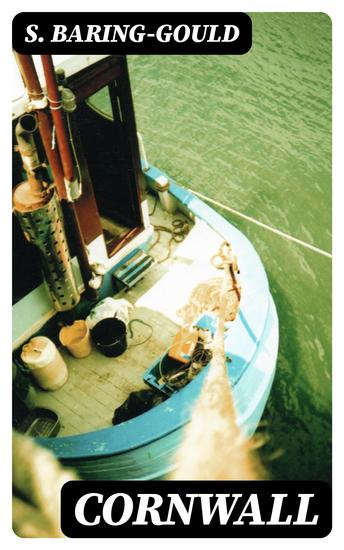
Cornwall - cover
LER

Cornwall

S. Baring-Gould

Editora: DigiCat

  • 0
  • 0
  • 0

Sinopse

In "Cornwall," S. Baring-Gould masterfully blends travel writing with rich historical exploration, immersing readers in the enchanting landscapes, folklore, and cultural intricacies of the Cornish region. His literary style is marked by an engaging narrative voice, vivid descriptions, and a meticulous attention to detail that captures the essence of Cornwall's rugged coastlines and quaint villages. Set against the backdrop of the late 19th century, the book serves as both a guide and a profound reflection on the social fabric and traditions of Cornwall, inspiring a deeper appreciation for this unique part of Britain. S. Baring-Gould was a multifaceted writer, best known for his works on folklore and his passionate interest in rural life, which undoubtedly shaped his depiction of Cornwall. A man of many talents, Baring-Gould was not only a clergyman but also a journalist, and he traveled extensively throughout his life, allowing him to gather a wealth of experiences and knowledge that permeate his writing. His deep-seated fascination with local customs and history informs his narrative, inviting readers to see Cornwall through the eyes of its people. This book is a treasure trove for travelers, historians, and lovers of literature alike. Baring-Gould's engaging prose and insightful observations elevate "Cornwall" beyond a mere travel guide, making it an essential read for anyone seeking to grasp the spirit and charm of this captivating region. It invites readers to embark on a journey of discovery, igniting curiosity and prompting a longing to explore Cornwall's landscapes and legacies.
Disponível desde: 29/05/2022.
Comprimento de impressão: 119 páginas.


Outros livros que poderiam interessá-lo

  • How to Live with a Narcissist When You Cannot Leave - A Survival Guide to Protecting Yourself from Narcissistic Abuse - cover

    How to Live with a Narcissist...

    Lena Falcon

    • 0
    • 0
    • 0
    Do you feel trapped in a toxic relationship with a narcissistic partner, family member, or colleague? Are you emotionally exhausted, manipulated, and unsure of how to regain control of your life? Living with a Narcissist is the guide you need to survive and protect yourself when walking away isn’t an immediate possibility. 
    This book offers practical strategies for navigating the emotional and psychological traps of a narcissist while preserving your self-worth and resources. Divided into three essential parts, it provides step-by-step guidance on how to: 
    - Protect Your Resources: Discover how to maintain your independence, shield yourself from further emotional and financial damage, and avoid falling into the narcissist’s manipulative traps. 
    - Rebuild Your Inner Strength: Learn how to restore your confidence, take care of your physical and emotional health, and create a plan for your future, even when leaving feels out of reach. 
    - Handle Real-Life Situations: Get practical advice for managing the everyday challenges of living with a toxic person — whether it's dealing with constant criticism, handling manipulation, or protecting your boundaries. 
    In Living with a Narcissist, you will find actionable tools to regain your sense of self, protect your well-being, and prepare for a future of emotional freedom. This book empowers you to take control of your life and reclaim your autonomy, one step at a time. 
    Your journey toward healing and self-empowerment starts here.
    Ver livro
  • Aggressive Persuasion - Using Forceful Methods to Convince Others - cover

    Aggressive Persuasion - Using...

    Cito Harder

    • 0
    • 0
    • 0
    Aggressive persuasion operates on the principle that forceful, persistent, or manipulative tactics can shape the decisions and behaviors of others. Unlike subtle persuasion, which relies on logical argumentation and emotional appeal, aggressive persuasion often leverages pressure, intimidation, and dominance to compel compliance. Understanding the psychological mechanisms behind this type of influence reveals why it is so effective and how individuals can recognize when they are being subjected to it. 
    At the core of aggressive persuasion is the exploitation of cognitive biases. Human beings are wired to respond to authority, fear, and social pressure. Persuasive individuals who employ aggressive tactics often capitalize on these tendencies, creating scenarios where the target feels obligated, intimidated, or even fearful of rejecting the proposal. This can manifest in high-pressure sales environments, political discourse, or interpersonal relationships where one party exerts dominance over another to achieve their desired outcome. 
    One of the most effective psychological tactics in aggressive persuasion is creating urgency and scarcity. When individuals believe that an opportunity is limited or that immediate action is necessary, they are more likely to comply without fully analyzing the situation. This technique is common in marketing, where customers are pressured into making impulse purchases due to time-sensitive offers. In other contexts, such as negotiations or decision-making in high-stakes situations, creating urgency can cloud judgment and force individuals into agreements they might otherwise reject.
    Ver livro
  • Drawing the Line - What to Do with the Work of Immoral Artists from Museums to the Movies - cover

    Drawing the Line - What to Do...

    Erich Hatala Matthes

    • 0
    • 0
    • 0
    Recent years have proven rife with revelations about the misdeeds, objectional views, and, in some instances, crimes of popular artists. Given more access than ever thanks to social media and the internet in general, the public has turned an alert and critical eye upon the once-hidden lives of previously cherished entertainers. But what should we members of the public do, think, and feel in response to these artists' actions or statements? It's a predicament that many of us face: whether it's possible to disentangle the deeply unsettled feelings we have toward an artist from how we respond to the art they produced. As consumers of art, and especially as fans, we have a host of tricky moral question to navigate: do the moral lives of artists affect the aesthetic quality of their work? Is it morally permissible for us to engage with or enjoy that work? Can we separate an artist from their art? 


    In Drawing the Line, Erich Hatala Matthes offers insight and clarity to the ethical questions that dog us. He argues that it doesn't matter whether we can separate the art from the artist, because we shouldn't. Matthes argues both that the lives of artists can play an important role in shaping our moral and aesthetic relationship to the artworks that we love and that these same artworks offer us powerful resources for grappling with the immorality of their creators.
    Ver livro
  • Sipahi The: The History and Legacy of the Ottoman Empire’s Elite Cavalry - cover

    Sipahi The: The History and...

    Editors Charles River

    • 0
    • 0
    • 0
    Among those who were responsible for the projection of Ottoman power, few deserve as much credit as the Sipahi. Civilizations across the steppes and the Middle East relied heavily on cavalry, and the Sipahi were elite cavalry units during medieval times for a couple of powers. That said, they were a massive contributor to the success of Ottoman warfare, and during good times for the empire, the Sipahi were rewarded, to the extent that they became their own social class, much like the Janissaries. In fact, much the way the Janissaries became less effective over time as being one denoted social status, the Sipahi and Janissaries had class resentments among each other, one of the various cracks in the Ottoman Empire that would help bring about its decline.  
    	As a result, the Sipahi’s private lives in the Ottoman Empire were varied and complex, depending on their social status, wealth, education, and religion. Their homes were often luxuriously decorated, and they were usually portrayed as highly-educated and sophisticated people. The Sipahi frequently had several wives and concubines, and their houses were equipped to accommodate their many guests. They had harems, where they kept their concubines and slaves, and the maintenance of their harems was important for each Sipahi's reputation and status. Their wives and concubines were often confined to the harem, and they did not have much freedom, but in some cases, especially in wealthier families, the women were educated and had an active social life. Furthermore, the Sipahi were often involved in art, music, and writing poetry. They had castles and villas they used for parties and social events, and they were also known for organizing hunts and other sporting activities. Many of them were also highly educated and engaged in the sciences, such as mathematics, astronomy, and philosophy.
    Ver livro
  • Dispositionalism in Musculoskeletal Care - Understanding and Integrating Unique Characteristics of the Clinical Encounter to Optimize Patient Care - cover

    Dispositionalism in...

    Michael Vianin MSc DC

    • 0
    • 0
    • 0
    “The experts in pain are the patients.”Chiropractor, lecturer, expert federal chiropractic examiner, and supervising clinician, Michael Vianin (MSc, DC), is committed to ensuring clinicians and other healthcare professionals involved in the management of musculoskeletal disorders and pain syndromes have access to practical tools allowing them to apply a dispositionalism model of musculoskeletal care.In this book, Michael discusses the components of the model, their significance, and how to address them with patients. Topics covered include:    the clinical encounter    pain catastrophizing    depression    sleep quality    self-efficacy    clinician disposition    communication.In-depth and evidence-based, Michael advocates for a patient-centered and collaborative approach to pain management and treatment.Dispositionalism in Musculoskeletal Care provides a comprehensive understanding of the dispositionalism model of care and the tools that can be readily applied in the implementation of the model.
    Ver livro
  • Soothing Sounds for Relaxing Deep Sleep - cover

    Soothing Sounds for Relaxing...

    EasyTube Zen Studio

    • 0
    • 0
    • 0
    In the modern-day world, it can often prove difficult to step back, relax, and have GOOD sleep.Soothing Sounds for Deep Sleep with Binaural Beats are used by many to allow an individual's mind to release stress and enter a meditative state and rapidly increase sleep quality.We are YouTube channel specialize on producing video music for overcoming anxiety, depression, sleep disorder and also spirituality music.All our content is produced originally in our studio in New York and we are committed to help you improve your sleep and relax with our music.This eBook is free because the sounds are available on Audible where you can download this book for Free if you’re a new customer in Audible (please see details in the eBook)Over 20 hours of produce an array of gentle, pleasant, and very calming sensations.What are the benefits of Binaural Beats?    increase focus and concentration    reduce anxiety    lower stress    increase relaxation    foster positive moods    promote creativity    help manage painInside you'll find:    Ocean Sounds    Soothing Sounds for Deep Sleep    High Quality Binaural Beats    Delta Waves    Calming Nature Sounds    And much much more....!Don't hesitate, and start listening now!
    Ver livro