¡Acompáñanos a viajar por el mundo de los libros!
Añadir este libro a la estantería
Grey
Escribe un nuevo comentario Default profile 50px
Grey
Suscríbete para leer el libro completo o lee las primeras páginas gratis.
All characters reduced
Psychofinance - cover

Psychofinance

Rosario Stefanelli

Editorial: Rosario

  • 0
  • 0
  • 0

Sinopsis

Theatre. Drama in one act.
Dramatic investigation into the effects of panic on investment management; and how emotional ignorance can be a source of errors in maintaining strategic objectives in a financial portfolio
Disponible desde: 22/12/2022.

Otros libros que te pueden interesar

  • Pink Flamingos - A Screenplay - cover

    Pink Flamingos - A Screenplay

    John Waters

    • 0
    • 0
    • 0
    The return of a spectacular, reviled, and iconic classic of American filth—listen as Waters himself acts out each role!John Waters takes us back to the scene of his original crime against good taste. Listen as Babs Johnson fights to hold on to her title as “Filthiest Person Alive,“ fending off the craven attempts to dethrone her by her nemeses Connie and Raymond Marble.Waters takes us on a romp through his filthy vision of Baltimore, from a child’s playpen occupied by an egg-worshipping grandmother to unhinged kangaroo courts, to the film’s iconic and revolting coup de grace (no spoilers, but it is just as stomach-churning on the page more than fifty years later!). Pink Flamingos is John Waters at his provocative, disgusting, piety-puncturing best, with the hellish and hilarious trash masterpiece that first made him a household name.A Macmillan Audio production from Farrar, Straus and Giroux.
    Ver libro
  • Birdman - The Ultimate Trivia Collection - From The Movie Directed By Alejandro G Iñarritu - cover

    Birdman - The Ultimate Trivia...

    Film Trivia Metaverse

    • 0
    • 0
    • 0
    BIRDMAN 
    THE ULTIMATE TRIVIA COLLECTION 
      
    FROM THE MOVIE DIRECTED BY ALEJANDRO G. IÑÁRRITU 
      
    CREATED BY FILM TRIVIA METAVERSE 
      
    ABOUT THE FILM 
    Birdman (2014), directed by Alejandro G. Iñárritu, follows Riggan Thomson, a faded Hollywood actor known for his role as the superhero "Birdman." Struggling with his past fame, Riggan attempts to reinvent himself by writing, directing, and starring in a Broadway play. The film explores themes of identity, self-worth, and the pressures of fame, blurring the lines between reality and fantasy. Shot in long takes to create the illusion of a single continuous scene, Birdman delves into the complexities of artistic expression, personal redemption, and the challenges of escaping the shadows of past successes. 
      
    TRIVIA SAMPLES: 
      
    "The movie was rehearsed and shot in sequence, so the editing process only took two weeks." 
      
    "Only sixteen visible cuts can be found in the entire film." 
      
    "During filming, Edward Norton and Michael Keaton kept track of the actors' flubs, with Emma Stone making the most errors and Zach Galifianakis the fewest." 
      
    "Much of the film was shot inside Broadway's St. James Theatre, where the actors had to deliver up to fifteen pages of dialogue in one take while hitting precisely choreographed marks." 
      
    "Edward Norton's character parodies his own reputation for being difficult to work with, similar to the way Michael Keaton's Birdman mirrors his earlier role as Batman."
    Ver libro
  • Woven Tapestry - Art and Practice - cover

    Woven Tapestry - Art and Practice

    Louise Martin, Ros Bryant

    • 0
    • 0
    • 0
    Woven Tapestry is an in-depth practical guide to the technique of this unique art form, and to finding creative expression within it.
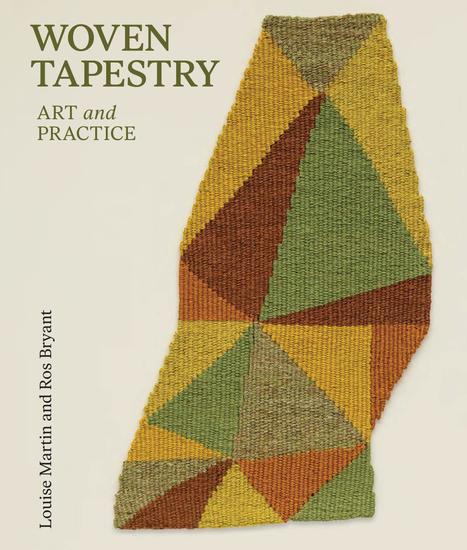
    Progressive exercises based on the authors' combined 50 years' experience are used to explain technique from making a first sample through to finished pieces. These are illustrated by over 400 specially woven samples and diagrams. The underlying principles are outlined and applied in a contemporary and creative way. Full-page images illustrate the qualities of line, colour, pattern and texture unique to woven tapestry, and the rich and exciting range of yarns available. Exercises in making and interpreting designs guide the developing weaver towards making individually creative work. Woven Tapestry offers the reader the technical skills and understanding needed to make expressive and beautiful work of their own. By working with several weft threads simultaneously, tapestry weaving becomes highly nuanced and is capable of complex imagery. Exercises in design show how to make use of the unique qualities that woven tapestry has to offer. The initial techniques are fundamentally simple and are clearly explained using only basic equipment and readily available yarns. The reader is encouraged to take time in learning, and to look closely whilst working. The continuous slow under over rhythm of weft passing through warp can promote a mental space in which to think and feel more deeply, and ultimately to create.
    Right from the first exercise there are creative choices to be made. By progressing to more advanced techniques, and working with many types and combinations of yarns, the expressive freedom available to the developing weaver soon becomes endless.
    Ver libro
  • Egg and Spoon - cover

    Egg and Spoon

    Rosie Blake

    • 0
    • 0
    • 0
     In Egg and Spoon, the artist and illustrator Rose Blake tells the story of a childhood fuelled on art and creativity, infused with travel and steeled by the more quotidian aspects of family life growing up with the artist Peter Blake. Surrounded by a cast of originals and eccentrics and taking in backdrops such as London, L.A. and Paris, Blake creates poetic snapshots of a family, with the joys of a life dedicated to art and the inevitable fragilities and poignancy of age and, pertinently, ill health. The effect is that of a literary photo album, with all the charm and character and emotional intensity those documents communicate.
    Ver libro
  • Ultimate Guide to Music Monetization - A Complete Breakdown of the Strategies Platforms & Tools That Pay Artists - cover

    Ultimate Guide to Music...

    Shawn Folk

    • 0
    • 0
    • 0
    The Ultimate Guide to Music Monetization 
    A Practical Breakdown of How Artists Earn in the Modern Music Industry 
    In today’s music industry, making great music isn’t enough—understanding how money is made is just as essential. The Ultimate Guide to Music Monetization is a practical, research-driven resource created to help artists, managers, and independent creatives make sense of the evolving monetization landscape. 
    This guide breaks down the many different ways artists can earn income, not to promise riches, but to help you understand how each model actually works, where its limitations lie, and how artists are using them today. 
    Inside, you'll find:Clear explanations of streaming, licensing, NFTs, catalog advances, social tokens, direct sales, subscriptions, and moreAnalysis of the platforms and companies leading each monetization modelInsights into the incentives behind industry messaging—from distributors to marketers to creatorsReal-world pros and cons of each path, so you can make informed decisions based on your goals and circumstances 
    Written by Gif of Payusnomind, an artist, marketer, and founder of the first YouTube channel offering comparative analysis of music distribution platforms, this guide offers an unbiased look at the business side of music, free from hype, and focused on helping you understand the options available. 
    If you're trying to find the right path, build sustainable systems, or just want to know what’s behind the curtain, this book is a valuable starting point.
    Ver libro

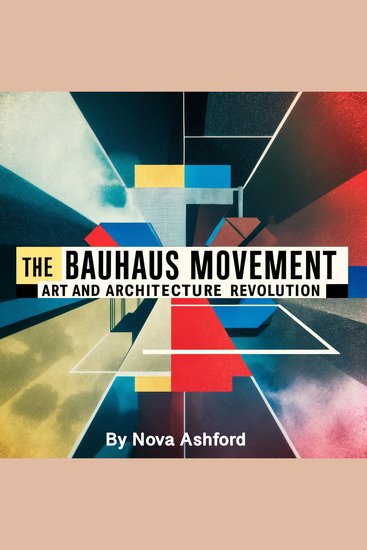
  • The Bauhaus Movement - Art and Architecture Revolution - cover

    The Bauhaus Movement - Art and...

    Nova Ashford

    • 0
    • 0
    • 0
    The Bauhaus Movement is one of the most influential art and design movements of the 20th century, shaping not only the world of architecture, but also industrial design, graphic design, and education. Founded in 1919 in Weimar, Germany, the Bauhaus school represented a radical shift in the way artists and designers approached their work, bridging the gap between art and industrial production. The term "Bauhaus," which translates to "building house," symbolized the school's fundamental belief in the fusion of craftsmanship and design with new technological advances. It advocated for an integrated, functional approach to design, emphasizing simplicity, clean lines, and the use of modern materials such as steel, glass, and concrete. 
    At the heart of the Bauhaus movement was the idea of total design, an approach that sought to unify art, craft, and industry into a single cohesive whole. The Bauhaus school emphasized collaboration between artists, architects, and designers, breaking down the traditional boundaries between fine arts and applied arts. This approach was revolutionary at a time when art was still often considered a separate entity from industrial production. The school encouraged students to experiment with new techniques and materials, while maintaining a commitment to functional design that was both aesthetically pleasing and usable in the modern world. 
    One of the defining features of the Bauhaus movement was its focus on the intersection of art and technology. The early 20th century saw rapid advancements in industrial production and materials science, which gave rise to new possibilities in design. Bauhaus educators believed that the application of these new technologies should be at the core of creative work. This philosophy led to the creation of iconic pieces of modern furniture, groundbreaking architectural designs, and revolutionary typography that defined the aesthetic of the era.
    Ver libro