Junte-se a nós em uma viagem ao mundo dos livros!
Adicionar este livro à prateleira
Grey
Deixe um novo comentário Default profile 50px
Grey
Assine para ler o livro completo ou leia as primeiras páginas de graça!
All characters reduced
The Prairie Traveler: A Hand-book for Overland Expeditions - cover
LER

The Prairie Traveler: A Hand-book for Overland Expeditions

Randolph Barnes Marcy

Editora: DigiCat

  • 0
  • 0
  • 0

Sinopse

In "The Prairie Traveler: A Hand-book for Overland Expeditions," Randolph Barnes Marcy presents a meticulous guide to the American frontier during the mid-19th century. Through a blend of practical advice and personal narratives, Marcy offers invaluable insights into the challenges of overland travel, including navigation, terrain, supplies, and interpersonal dynamics among travelers. His style, characterized by clarity and detail, reflects the burgeoning interest in westward expansion, serving both as a prescriptive manual and a vivid portrayal of the rugged American landscape. Randolph Barnes Marcy, a seasoned military officer and veteran of various campaigns, drew upon his extensive experiences in the field to compose this seminal work. His firsthand observations of the Great Plains, coupled with his knowledge of military logistics, provided him a unique perspective on the intricacies of travel during an era marked by migration and exploration. Marcy's pragmatic approach was guided not only by personal experience but also by an earnest desire to prepare future pioneers for the perilous journey ahead. This book is an essential read for historians, enthusiasts of the American West, and anyone intrigued by the art of exploration. Marcy's blend of narrative richness and practical guidance makes it a timeless resource for understanding the spirit of adventure and the practicalities of frontier life.
Disponível desde: 15/09/2022.
Comprimento de impressão: 1536 páginas.

Outros livros que poderiam interessá-lo

  • Ancient Iran: A Captivating Guide to Persia from the Elamites through the Medians Achaemenids Seleucid Empire Parthia and Sasanian Dynasty to the Arab Conquest - cover

    Ancient Iran: A Captivating...

    Captivating History

    • 0
    • 0
    • 0
    Discover the history of Ancient Iran that spans from Iran’s mysterious origins to the Islamic conquest. 
    Ancient Persia conjures images of extravagant palaces, beautiful gardens, mighty armies, and all-powerful kings, queens, and princes. The beginnings of Iranian antiquity are enigmatic, but from the cradle of the western Zagros Mountains came the greatest empires the world has ever known. The Elamites, Medians, Achaemenids, Parthians, and Sassanids all sprang from interlinked cultural origins that could trace their roots back through each successive empire. 
    The ancient Persians experienced cultural mingling over time, such as the Mediterranean Hellenistic era, which brought the Greeks and Romans. Much later, the Muslim Arabs disrupted the last of the ancient empires and imprinted their new religion, Islam, across Greater Iran. But the Persian culture held firm for millennia, and after five thousand years of imperial conquests, Iran retains the ancient identity of its first people. 
    In this audiobook, you will learn: More about the prehistoric ancestors of Iran and their tribal originsWhat is meant by “Persia” and how this changed over timeAbout the mighty Iranian Empires that dominated half of EurasiaThe influence of foreign empires and why they didn’t lastHow the Persian kings impacted major world religionsThe complexity of Iranian culture and why it survived for millenniaHow ancient causes have inspired Iran’s national identity 
    Scroll up and click the “add to cart” button to learn more about Ancient Iran!
    Ver livro
  • Moneyless Society - The Next Economic Evolution - cover

    Moneyless Society - The Next...

    Matthew Holten

    • 0
    • 0
    • 0
    IT'S TIME FOR AN ECONOMIC EVOLUTION. 
    The evidence is all around us: Humans are squandering natural resources and destroying the environment. There is no real debate about climate change. And with an ever-widening wealth gap, inequality is destabilizing many regions and worsening famine, disease, and civil unrest. 
    We must change, fast - and yet we hesitate. 
    Moneyless Society: The Next Economic Evolution explores how capitalism throttles Earth's capacity to sustain life and undermines our deep longing to live in peace and prosperity. Fortunately, it also provides a blueprint to innovative thinking and new structures to replace our outmoded monetary system. In short, Moneyless Society illuminates just how much our lives and those of future generations could improve with a new kind of freedom: freedom from money. 
    We are at a crossroads: we can choose abundance, community, and prosperity, or we can continue down the path toward collapse. The choice is ours. 
    NOTE: Be sure to download the free supplemental materials (PDF) here or on MoneylessSociety.com.
    Ver livro
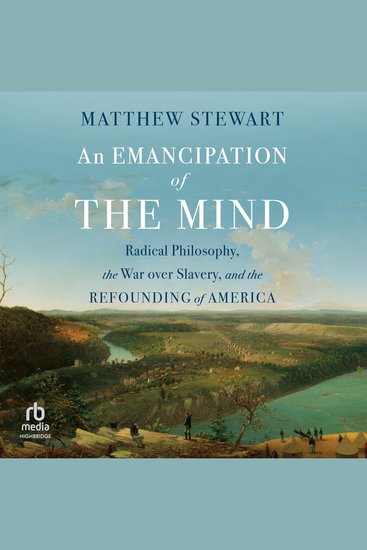
  • Emancipation of the Mind An - Radical Philosophy the War Over Slavery and the Refounding of America - cover

    Emancipation of the Mind An -...

    Matthew Stewart

    • 0
    • 0
    • 0
    How a band of antislavery leaders recovered the radical philosophical inspirations of the first American Revolution to defeat the slaveholders' oligarchy in the Civil War. 


    In their struggle against the slaveholding oligarchy of their time, America's antislavery leaders found their way back to the rationalist, secularist, and essentially atheist inspiration for the first American Revolution. Frederick Douglass's unusual interest in radical German philosophers and Abraham Lincoln's buried allusions to the same thinkers are but a few of the clues that underlie this propulsive philosophical detective story. With fresh takes on forgotten thinkers like Theodore Parker, the excommunicated Unitarian minister who is the original source of some of Lincoln's most famous lines, Matthew Stewart tells the story of the battle between America's philosophical radicals and the conservative counterrevolution that swept the American republic in the first decades of its existence and persists in new forms up to the present day. In exposing the role of Christian nationalism and the collusion between northern economic elites and slaveholding oligarchs, An Emancipation of the Mind demands a significant revision in our understanding of the origins and meaning of the struggle over slavery in America—and offers a fresh perspective on struggles between democracy and elite power today.
    Ver livro
  • Democratic Delusions - How the Media Hollows Out Democracy and What We Can Do About It 1st Edition - cover

    Democratic Delusions - How the...

    Natalie Fenton

    • 0
    • 0
    • 0
    A free media is inextricably linked to a healthy democracy, but in many parts of the world liberal democracies are deemed to be dying or on the demise—a demise that many forms of media have enabled while heralding themselves as democracy's savior. The hollowing out of democracy in these ways has left many people questioning the value of (neo)liberal democratic societies. What can we do about it? 


    Democratic Delusions explores the potential of our media and tech systems to be democratic and contribute to a just and transformative democracy. This is only possible, Natalie Fenton argues, by first situating our political systems and mediated worlds within global capitalism. By interrogating different media and their relationship to seven key elements of democracy—power, participation, freedom, equality, public good, trust, and hope—the book asks: What is the response of society when the ability of news media to speak truth to power has been restricted by corporate logic? And, how do we tackle a deep-rooted market logic that shifts public debate towards private interest and marginalizes progressive perspectives? The book explores how these elements can be reimagined through newly conceived media and tech landscapes and, ultimately, what democracy might be in a future mediated world that places more power in the hands of more people.
    Ver livro
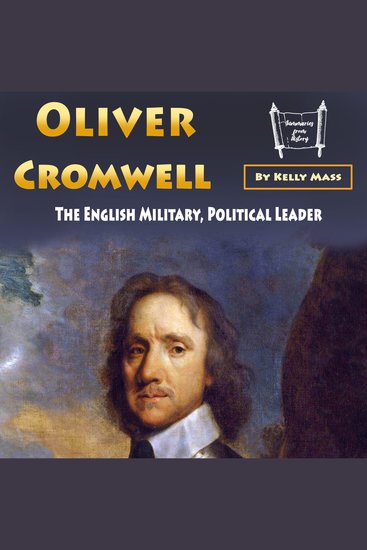
  • Oliver Cromwell - The English Military Political Leader - cover

    Oliver Cromwell - The English...

    Kelly Mass

    • 0
    • 0
    • 0
    Oliver Cromwell was an English army and statesman who led Parliamentary armies against King Charles I throughout the English Civil War. From 1653 till his death in the year 1658, he lead the British army in the British Islands area. 
    Why was he so hated by so many? And is this image of him historically correct? 
    Even though we cannot go back in time 450 years ago, we can certainly try to find the answers in the sources we have. 
    The reason why people thought he was so evil, is because of his brutality against the Irish at that time. Several Irish and English scholars agree that Cromwell was too cruel in Ireland. Other academics blame him of 'ethnic cleansing,' or the systematic expulsion of a certain ethnic population from a territory. It typically entails the execution and deportation of Catholics, and that he is despised by Irish Catholics. 
    Is this true? And why did he do this? 
    Find out more about his time, his life, his circumstances and his legacy.
    Ver livro
  • The Burma Wars - 1824-1886 - cover

    The Burma Wars - 1824-1886

    George Bruce

    • 0
    • 0
    • 0
    Between 1824 and 1885 Britain and Burma fought in three deadly struggles. 


    The first was the longest and most expensive war in British Indian history, the second was criticized at the time as being caused by gunboat diplomacy, and the third led to the removal of Burma's Konbaung dynasty and the incorporation of Burma into the British Raj. 


    These wars were fraught with military blunders and incompetence. 


    Why did the tensions arise initially and how did the first battles begin? How were Burmese forces able to resist the powerful armaments of their opponents for so long? And what were the implications of this controversial war for the British? 


    The Burma Wars: 1824–1886 uses a vast assortment of contemporary sources to build up a vivid picture of the clashes, highlighting the courage and perseverance of the men who fought for both sides in difficult conditions. 


    The Times described Bruce's books as "well researched, with a keen eye for historical detail." 


    The Burma Wars: 1824–1886 is a brilliant account of one of the conflicts that led to the formation of the British Empire. It is part of the series Conflicts of Empire, which also includes Retreat from Kabul and Six Battles for India.
    Ver livro