Junte-se a nós em uma viagem ao mundo dos livros!
Adicionar este livro à prateleira
Grey
Deixe um novo comentário Default profile 50px
Grey
Assine para ler o livro completo ou leia as primeiras páginas de graça!
All characters reduced
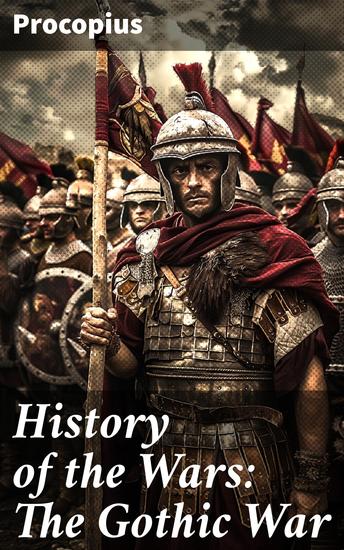
History of the Wars: The Gothic War - Insights into ancient warfare and Byzantine geopolitics - cover
LER

History of the Wars: The Gothic War - Insights into ancient warfare and Byzantine geopolitics

Procopius

Tradutor H. B. Dewing

Editora: Good Press

  • 0
  • 0
  • 0

Sinopse

In "History of the Wars: The Gothic War," Procopius intricately weaves a narrative rich in detail and political intrigue, chronicling the protracted conflicts between the Eastern Roman Empire and the Goths during the 6th century. Written in a sophisticated prose style that reflects classical historiography, this work is notable for its vivid descriptions and critical perspectives, showcasing Procopius's dual role as both a court historian and an astute observer of the tumultuous events of his time. The text situates itself within the broader context of Byzantine military history, illustrating not only the military strategies employed but also the cultural ramifications of these wars, making it an essential resource for understanding the era's complexities. Procopius, a major historian of the Byzantine Empire and a contemporary of Emperor Justinian I, gained first-hand experience of the period'Äôs political machinations and conflicts. His societal position afforded him a unique perspective, allowing him to capture both the glory and the brutality of war. His writings reflect a blend of admiration and criticism towards the ruling elite, fueled by his commitment to documenting the truth of his age amidst its chaos. For scholars and enthusiasts of Byzantine history alike, Procopius's "History of the Wars: The Gothic War" is an indispensable volume that offers profound insights into the socio-political fabric of the time. This work not only enhances our understanding of the Gothic conflicts but also serves as a compelling exploration of the human experience within the arena of war.
Disponível desde: 22/08/2023.
Comprimento de impressão: 189 páginas.
Outros livros que poderiam interessá-lo

  • África y Roma: La historia y el legado del Imperio romano en el continente africano - cover

    África y Roma: La historia y el...

    Charles River Editors

    • 0
    • 0
    • 0
    En su apogeo, el Imperio Romano abarcaba grandes extensiones de Europa occidental, Oriente Medio, Egipto y el norte de África, y aunque mucha gente conoce la influencia y el legado de Roma en Europa y Oriente Medio, a menudo se sabe menos de los asentamientos romanos en la costa mediterránea del norte de áfrica. No obstante, esta fue una zona que produjo varios emperadores (incluidos los únicos emperadores negros), algunas de las ciudades más sofisticadas del imperio y ruinas romanas que ofrecen algunas de las mejores pruebas del modo de vida romano que se pueden encontrar en cualquier parte del mundo.  
    	Aparte de la naturaleza complicada de los sistemas administrativos en evolución en la zona, otro reto importante para los investigadores modernos del periodo romano en la historia del norte de África es que el entorno natural era muy diferente al actual. Se suele suponer que la región solo era fértil en la costa y que el interior no podía proporcionar los recursos necesarios para mantener poblaciones numerosas y ricas. Sin embargo, en la antigüedad, el norte de África era una región fértil, y los científicos creen que la vasta zona de praderas escarpadas que cubría la mayor parte de lo que hoy es el desierto del Sáhara comenzó a secarse hace unos 5000 años, y que el proceso de transformación de las praderas en desiertos fue lento. Aunque existe un considerable debate sobre el tiempo que duró el proceso y si las técnicas agrícolas a pequeña escala utilizadas en la región contribuyeron al proceso de desecación, está claro que la zona alrededor de Cartago, por ejemplo, tenía una amplia extensión de tierras bien cultivadas, y que dicho cultivo se prolongó hasta bien entrada la Edad Media. 
    Ver livro
  • Patton's Push - The Bold Tactics of General George S Patton in Europe - cover

    Patton's Push - The Bold Tactics...

    Sage Winters

    • 0
    • 0
    • 0
    General George S. Patton was one of the most influential military leaders of the 20th century, his name forever linked with boldness, aggression, and relentless pursuit of victory. His legacy as a tactical genius in World War II is undisputed, particularly for his innovative strategies and dynamic leadership during key campaigns in Europe. Patton’s approach to warfare, characterized by rapid movement, audacity, and the application of psychological warfare, was a departure from traditional military doctrine and left an indelible mark on modern military tactics. 
      
    Patton’s leadership was grounded in his deep understanding of warfare, which was built upon a combination of formal training, historical knowledge, and an innate sense of battlefield dynamics. Unlike many of his contemporaries, he believed in the power of initiative, often taking risks to strike the enemy when and where they least expected it. His emphasis on speed and maneuverability — particularly through the use of tanks and combined arms tactics — allowed his forces to outpace and outflank the enemy, creating chaos and forcing decisive confrontations on his terms. This ability to maintain the initiative and exploit weaknesses in enemy lines was a hallmark of Patton's genius.
    Ver livro
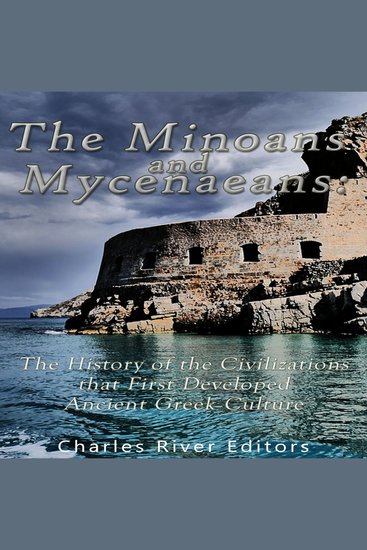
  • Minoans and Mycenaeans The: The History of the Civilizations that First Developed Ancient Greek Culture - cover

    Minoans and Mycenaeans The: The...

    Editors Charles River

    • 0
    • 0
    • 0
    Nearly 2,500 years after the Golden Age of Athens, people across the world today continue to be fascinated by the Ancient Greeks. But who did the Ancient Greeks look up to? The answer to that question can be found in Homer’s The Odyssey, in which Odysseus makes note of “a great town there, Cnossus, where Minos reigned.” It was perhaps the earliest reference to the Minoan civilization, a mysterious ancient civilization that historians and archaeologists still puzzle over, but a civilization that renowned historian Will Durant described as "the first link in the European chain.” 
    Nearly 2,000 years before Homer wrote his epic poems, the Minoan civilization was centered on the island of Crete, a location that required the Minoans to be a regional sea power. And indeed they were, stretching across the Aegean Sea from about 2700-1500 BCE with trade routes extending all the way to Egypt. 
    The Minoans may have been the first link in the “European chain”, leading to the Ancient Greeks and beyond, but questions persist over the origins of the civilization, the end of the civilization, and substantial parts of their history inbetween, including their religion and buildings.  
    In the wake of the Minoans, a Greek culture flourished and spread its tentacles throughout the western Mediterranean region via trade and warfare. Scholars have termed this pre-Classical Greek culture the Mycenaean culture, which existed from about 2000-1200 BCE, when Greece, along with much of the eastern Mediterranean, was thrust into a centuries long dark age. However, before the Mycenaean culture collapsed, it was a vital part of the late Bronze Age Mediterranean system and stood on equal footing with some of the great powers of the region, such as the Egyptians and Hittites. At the same time, the Mycenaeans had more in common with their neighbors from the island of Crete.
    Ver livro
  • Queering the Runes - Reclaiming Ancestral Wisdom in Rune Magic and Mythology - cover

    Queering the Runes - Reclaiming...

    Siri Vincent Plouff

    • 0
    • 0
    • 0
    Queering the Runes is a contemporary, inclusive, and forward-thinking approach to the runes that focuses on finding queer experience, life, and joy in the Elder Futhark. Siri comes to the runes as a queer, nonbinary reader, and presents a path for reclaiming the ancestral wisdom and mystery of the runes in a way that can provide insight and understanding of their sacred nature for masculine, feminine, and nongendered aspects of self. Written as a love letter to the runes, the gods, and the people who follow the Nordic path, Queering the Runes presents an alternative approach to the runes—one that creates a gentle container for those who want to follow this heathen path. Based on the author’s personal gnosis, as well as deep academic research on runes and Nordic culture, this book explores the root culture of the runes, both in terms of myth and of lived, real folkloric experience, and paves the way for understanding how to work with runes disencumbered from patriarchy and white supremacy.   Siri Vincent Plouff presents the traditional meanings of the runes, then helps the reader to queer the runes in their own way. Included are the lore associated with each rune, exercises to apply them to modern life, activities to engage with the runes (layouts, castings, and galdr), and advice on how to use the runes for divination. Throughout, the author provides journal prompts meant to help the reader channel the energy of specific runes, to get to know their energy, as well as to use the runes to help them move forward in a journey of self-discovery.  Queering the Runes seeks to blow open perceptions of the runes, exploring them as active, living symbols available to all, as well as the inherent connection with ancestral magic that comes with rune work.
    Ver livro
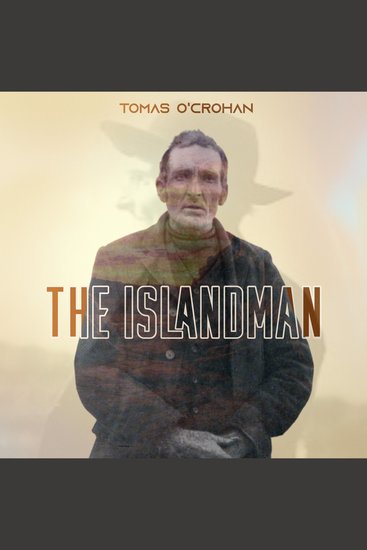
  • The Islandman - cover

    The Islandman

    Tomas O'Crohan

    • 0
    • 0
    • 0
    Tomas O'Crohan was born on the Great Blasket Island in 1865 and died there in 1937, a great master of his native Irish. He shared to the full the perilous life of a primitive community, yet possessed a shrewd and humorous detachment that enabled him to observe and describe the world. His book is a valuable description of a now vanished way of life; his sole purpose in writing it was in his own words, 'to set down the character of the people about me so that some record of us might live after us, for the like of us will never be again'. 
    The Blasket Islands are three miles off Irelands Dingle Peninsula. Until their evacuation just after the Second World War, the lives of the 150 or so Blasket Islanders had remained unchanged for centuries. A rich oral tradition of story-telling, poetry, and folktales kept alive the legends and history of the islands, and has made their literature famous throughout the world. The 7 Blasket Island books published by OUP contain memoirs and reminiscences from within this literary tradition, evoking a way of life which has now vanished.
    Ver livro
  • Italy's Paradise - A History of Tuscany - cover

    Italy's Paradise - A History of...

    Alistair Moffat

    • 0
    • 0
    • 0
    'A delicious trip through the geography, history and culture of the region' – Sunday Telegraph
    Ever since the days of the Grand Tour, Tuscany has cast its magic spell on foreign vistiors. Attracted by the perfect combination of history, art, architecture, superb natural beauty and weather – not to mention magnificent traditions of food and drink – British visitors and residents have been at times so numerous that the local word for foreigners was simply 'gli inglesi' – 'the English'.
    What is it that makes this exquisite part of Italy so seductive? Alistair Moffat embarks on a journey into Tuscany's past. From the flowering of the Etruscan civilization in the seventh century bc through the rise of the powerful medieval communes of Arezzo, Luca, Pisa and Florence, and the role the area played as the birthplace of the Renaissance, he underlines both the area's regional uniqueness as well as the vital role it has played in the history of the whole of Italy. Insightful, readable and imbued with the author's own enthusiasm for Tuscany, this book includes a wealth of information not found in tourist guides.
    'A sun-drenched meditation on the character of the place and its people' – The Scotsman
    Ver livro