¡Acompáñanos a viajar por el mundo de los libros!
Añadir este libro a la estantería
Grey
Escribe un nuevo comentario Default profile 50px
Grey
Suscríbete para leer el libro completo o lee las primeras páginas gratis.
All characters reduced
The Leopard Gecko Manual - Expert Advice for Keeping and Caring for a Healthy Leopard Gecko - cover

The Leopard Gecko Manual - Expert Advice for Keeping and Caring for a Healthy Leopard Gecko

Philippe De Vosjoli, Brian Viets, Roger J. Klingenberg, Thomas Mazorlig, Ron Tremper

Editorial: CompanionHouse Books

  • 0
  • 1
  • 0

Sinopsis

The leopard gecko has fast become the reptilian version of the parakeet or goldfish. Considered to be the first domesticated species of lizard, the leopard gecko is attractive, perfectly sized, and easy to breed. Leopard Gecko Manual takes a close look at all the characteristics that have made these attractive lizards so amazingly popular in the pet world. Written by a team of herpetoculture experts and gecko specialists, this up-to-date and authoritative guide provides reliable guidelines for keepers who wish to add a gecko to their vivarium and maintain their pet in excellent health and condition. This second edition is revised and expanded to include new sections on Gecko nutrition and feeding, housing, breeding, and banded Geckos. Inside the Leopard Gecko Manual: How to select leopard geckos as pets or for breeding Understanding the anatomy and behavior of these fascinating lizards Feeding your leopard gecko a nutritionally sound diet, with the latest insights on feeder insects and prepared foods How to design and maintain the ideal naturalistic habitat for your leopard gecko Detailed information on all aspects of breeding, egg-laying, and incubation What you need to know about skin shedding cycles and tail loss Recognizing signs of disease and how to handle health issues Special chapters on African fat-tailed geckos and other eublepharids
Disponible desde: 03/10/2017.
Longitud de impresión: 184 páginas.

Otros libros que te pueden interesar

  • Where There Is No Dentist - cover

    Where There Is No Dentist

    Murray Dickson

    • 0
    • 0
    • 0
    Community health workers, educators and individuals from around the world use Where There Is No Dentist to help people care for their teeth and gums. This book's broad focus makes it an invaluable resource. The author uses straightforward language and careful instructions to explain how to examine patients: * Diagnose common dental problems* make and use dental equipment* use local anesthetics* place fillingsand remove teethThere is also a special chapter on oral health and HIV/AIDS, which provides the dental worker with a detailed, well-illustrated discussion of the special problems faced by people living with HIV/AIDS, and appropriate treatment.
    Ver libro
  • Shingles - Causes Symptoms Diagnosis and Solutions - cover

    Shingles - Causes Symptoms...

    Lilly Richardsen

    • 0
    • 0
    • 0
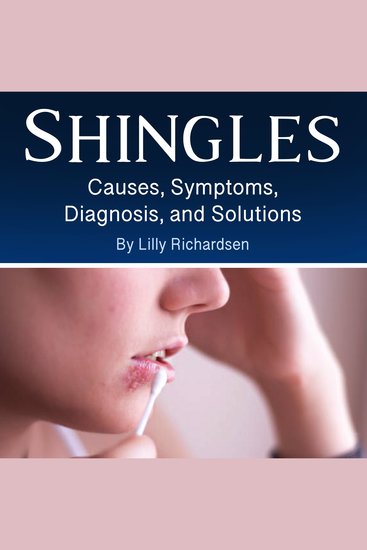
    Shingles, also known as herpes zoster, is a viral infection caused by the reactivation of the varicella-zoster virus (VZV), the same virus responsible for chickenpox. Once a person recovers from chickenpox, the virus remains dormant in nerve tissues and can reactivate years or even decades later, leading to shingles. This condition is characterized by a painful rash that typically appears on one side of the body or face, often in a band-like pattern. While shingles is not a life-threatening illness, it can cause significant discomfort and, in some cases, lead to long-term complications such as postherpetic neuralgia (PHN), a persistent nerve pain that can last for months or even years after the rash has healed. 
    The history of shingles dates back to ancient times, with early descriptions found in medical texts from different cultures. However, it was not until the 20th century that researchers discovered its link to the varicella-zoster virus. The introduction of the chickenpox vaccine in the 1990s significantly reduced the number of new chickenpox cases, which in turn is expected to lower the incidence of shingles over time. Nevertheless, shingles remains a common condition, particularly among older adults and individuals with weakened immune systems. 
    Understanding who is at risk for shingles is essential for prevention and early intervention. While anyone who has had chickenpox can develop shingles, the likelihood increases with age. The immune system naturally weakens as people grow older, making those over the age of 50 particularly vulnerable. Individuals with compromised immune systems, such as those undergoing chemotherapy, people with HIV/AIDS, or patients on long-term immunosuppressive medications, are also at an increased risk. Additionally, factors such as stress, chronic illness, and certain medical conditions can contribute to the reactivation of the virus.
    Ver libro
  • What a Bee Knows - Exploring the Thoughts Memories and Personalities of Bees - cover

    What a Bee Knows - Exploring the...

    Stephen Buchmann

    • 0
    • 0
    • 0
    For many of us, the buzzing of a bee elicits panic. But the next time you hear that low droning sound, look closer: the bee has navigated to this particular spot for a reason using a fascinating set of tools. She may be using her sensitive olfactory organs, which provide a 3D scent map of her surroundings. She may be following visual landmarks or instructions relayed by a hive-mate. She may even be tracking electrostatic traces left on flowers by other bees. What a Bee Knows: Exploring the Thoughts, Memories, and Personalities of Bees invites us to follow bees' mysterious paths and experience their alien world. 


    Although their brains are incredibly small—just one million neurons compared to humans' one hundred billion—bees have remarkable abilities to navigate, learn, communicate, and remember. In What a Bee Knows, entomologist Stephen Buchmann explores a bee's way of seeing the world and introduces the scientists who make the journey possible. We travel into the field and to the laboratories of noted bee biologists who have spent their careers digging into the questions most of us never thought to ask (for example: Do bees dream? And if so, why?). With each discovery, Buchmann's insatiable curiosity and sense of wonder is infectious.
    Ver libro
  • The Flood Prevention Handbook - How to Protects Your Home & Family When Waters Rise - cover

    The Flood Prevention Handbook -...

    Ryan Lee Price

    • 0
    • 0
    • 0
    Keep your peace of mind by learning proven safety methods to help you prepare your home, evaluate damage, and recover after a flood.In a world where extreme weather events are increasingly unpredictable, being ready for natural disasters is a necessity for every homeowner. The Flood Prevention Handbook is a comprehensive guide that covers each phase of flood safety, so that you can know exactly how to prepare yourself for every stage of the storm. Using step-by-step instructions and expert tips, you'll have the resources to act quickly and effectively to protect what matters most.In this book, you'll learn about water-related disaster statistics; how to navigate flood insurance policy; what to look for before renting or purchasing; practical methods to prepare your home and family for a flood; how to minimize damage during a flood; post-flood recovery and restoration; and more. 
    Stay calm during the storm. The Flood Prevention Handbook will equip you with practical advice and reliable resources to ensure you’re ready for anything, no matter the circumstance. Take control, stay informed, and stay safe.
    Ver libro
  • Sustainable Agriculture - Balancing Environmental and Economic Concerns - cover

    Sustainable Agriculture -...

    Ruchini Kaushalya

    • 0
    • 0
    • 0
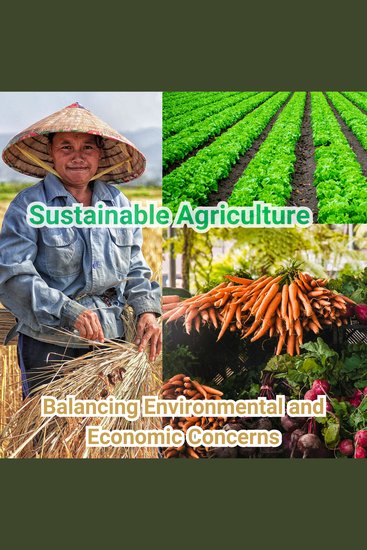
    Dive into the urgent realm of sustainable agriculture with "Sustainable Agriculture: Balancing Environmental and Economic Concerns." In a world grappling with climate change and food security, this comprehensive eBook serves as your guide to understanding, embracing, and promoting sustainable farming practices. 
    Unveil the transformative potential of sustainable agriculture as you explore its core principles and historical context. From the consequences of unsustainable practices to the solutions fostering ecosystem restoration, each chapter empowers you to take action. 
    Delve into a tapestry of sustainable farming methods, from crop rotation to regenerative agriculture, and discover their crucial role in ensuring long-term agricultural viability. Explore modern innovations like precision farming and vertical agriculture, alongside the economic feasibility and environmental impact they bring. 
    Learn how organic farming contributes to reduced chemical usage, increased biodiversity, and enhanced nutritional content in our food. Engage with practical steps for individuals, communities, and governments to support sustainable farming practices and foster a harmonious coexistence of humanity and the environment. 
    Whether you're a farmer seeking regenerative practices or a concerned consumer striving for informed choices, this eBook is your roadmap to a more sustainable future. Join the transformative movement today.
    Ver libro
  • Toxicology - The Science of Poisons Venoms Vaccines and Hidden Chemicals - cover

    Toxicology - The Science of...

    Kevin Thorley

    • 0
    • 0
    • 0
    Toxicology is the scientific study of the adverse effects of chemical substances on living organisms. It encompasses a broad range of disciplines, including biology, chemistry, pharmacology, and environmental science, and is essential for understanding the impact of toxins on human health and the environment. The origins of toxicology can be traced back to ancient civilizations, where herbal remedies and poisons were used in medicine and warfare. Over the centuries, this field has evolved significantly, particularly with advancements in analytical techniques and a greater understanding of biological systems. 
      
    The fundamental principle of toxicology is that the effect of a substance depends not only on its inherent toxicity but also on the dose, duration of exposure, and the route by which it enters the body. This is often summarized by the phrase "the dose makes the poison," attributed to the Swiss physician Paracelsus in the 16th century. Paracelsus emphasized that even substances considered beneficial can be harmful in excessive amounts, highlighting the importance of understanding dosage in toxicological assessments.
    Ver libro