¡Acompáñanos a viajar por el mundo de los libros!
Añadir este libro a la estantería
Grey
Escribe un nuevo comentario Default profile 50px
Grey
Suscríbete para leer el libro completo o lee las primeras páginas gratis.
All characters reduced
Theatrics and Encyclopedias in the Renaissance - cover

Theatrics and Encyclopedias in the Renaissance

Pasquale De Marco

Editorial: Publishdrive

  • 0
  • 0
  • 0

Sinopsis

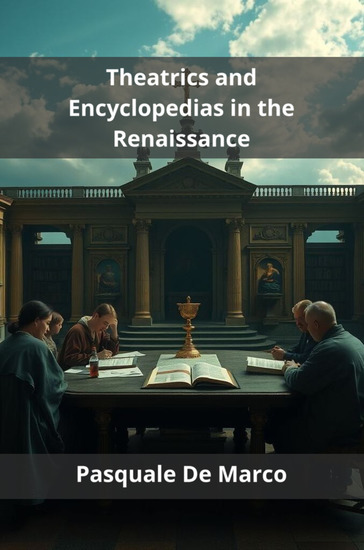
In the vibrant tapestry of the Renaissance, two seemingly disparate worlds converged in a captivating dance of knowledge and creativity: the theater and the encyclopedia. This book explores the fascinating interplay between these domains, shedding light on the profound influence they exerted on each other during this transformative era.

The theater, with its captivating performances and evocative storytelling, served as a powerful platform for disseminating knowledge and ideas. Playwrights, drawing inspiration from encyclopedias and other sources of learning, wove intricate narratives that brought history, mythology, and philosophy to life. These theatrical productions transported audiences to distant lands, introduced them to diverse cultures, and sparked their curiosity about the world around them.

Conversely, encyclopedias, with their systematic organization of knowledge, provided a rich source of material for theatrical adaptation. Playwrights found in these compendia a treasure trove of stories, characters, and themes that they could transform into compelling performances. By adapting encyclopedic knowledge for the stage, they made it accessible to a wider audience, fostering a spirit of inquiry and intellectual exploration.

The relationship between theater and encyclopedias was not merely one-directional. The theater, in turn, influenced the development of encyclopedias. Playwrights often incorporated contemporary knowledge and ideas into their works, contributing to the expansion and enrichment of encyclopedic content. This exchange of knowledge and perspectives fostered a dynamic and mutually beneficial relationship between the two domains.

This book delves into the specific ways in which theater and encyclopedias intersected and influenced each other during the Renaissance. It examines how playwrights utilized encyclopedias as source material, how theatrical performances shaped the content and structure of encyclopedias, and how the interplay between these two domains contributed to the broader intellectual and cultural landscape of the period.

Through a close analysis of primary sources and a comprehensive examination of the historical context, this book offers a fresh perspective on the cultural and intellectual significance of theater and encyclopedias in the Renaissance. It reveals the profound impact that these two domains had on each other, and demonstrates how they worked in tandem to shape the intellectual and artistic landscape of the period.


If you like this book, write a review!
Disponible desde: 02/06/2025.
Longitud de impresión: 164 páginas.

Otros libros que te pueden interesar

  • From Ego to Empathy: How To Stop Being A Toxic Narcissist: Transform Destructive Patterns Nurture Authentic Self-Esteem and Foster Meaningful Bonds without Sacrificing Personal Growth - cover

    From Ego to Empathy: How To Stop...

    Lena Winters

    • 0
    • 0
    • 0
    If you've always wanted genuine connections and self-assurance but find yourself trapped in a cycle of self-centered behavior, then keep reading… 
    Are you sick and tired of pushing people away with your need for admiration and control? 
    Have you tried to change, only to fall back into destructive patterns that leave you feeling empty and alone? 
    Do you finally want to say goodbye to toxic relationships and discover authentic self-worth? 
    If so, then you've come to the right place. 
    You see, overcoming narcissistic tendencies doesn't have to be an insurmountable challenge. 
    Even if you've spent years building a false sense of superiority or believe you're incapable of true empathy. 
    In fact, transforming from ego-driven to empathy-centered is easier than you think. 
    Here's just a tiny fraction of what you'll discover:The 7 hidden signs of toxic narcissism and how to address them with self-compassionWhy your constant need for admiration is driving others away – and what to do insteadHow to build genuine self-esteem without relying on external validation5 harmful myths about success and self-worth that fuel narcissistic behaviorsHow to save years of interpersonal conflict with one simple shift in perspectiveThe 3 best strategies to maintain healthy self-confidence while fostering deep connections 
    …and much, much more! 
    So even if you're convinced you're "too far gone" or that vulnerability is a weakness, you can transform your patterns and experience the richness of authentic connections with the insights in this life-changing guide. 
    And if you have a burning desire to shed the mask of narcissism and finally experience the warmth of genuine intimacy while maintaining a healthy sense of self, then scroll up and click "add to cart".
    Ver libro
  • Unholy Traffic An - Slave Trading in the Civil War South - cover

    Unholy Traffic An - Slave...

    Robert K. D. Colby

    • 0
    • 0
    • 0
    The Confederate States of America was born in defense of slavery. Between Fort Sumter to Appomattox, Confederates bought and sold thousands African American men, women, and children. These transactions in humanity made the internal slave trade a cornerstone of Confederate society, a bulwark of the Rebel economy, and a central part of the experience of the Civil War for all inhabiting the American South. 


    As An Unholy Traffic shows, slave trading helped Southerners survive and fight the Civil War, as well as to build the future for which they fought. They mitigated the crises the war spawned by buying and selling enslaved people, using this commerce to navigate food shortages, unsettled gender roles, the demands of military service, and other hardships on the homefront. Some Rebels speculated wildly in human property, investing in slaves to ward off inflation and to buy shares in the slaveholding nation they hoped to create. Others traded people to counter the advance of emancipation. 


    Offering an original perspective on the intersections of slavery, capitalism, the Civil War, and emancipation, Robert K. D. Colby illuminates the place of the peculiar institution within the Confederate mind, the ways in which it underpinned the CSA's war effort, and its impact on those attempting to seize their freedom.
    Ver libro
  • Women in Ancient Rome - Roles and Influence - cover

    Women in Ancient Rome - Roles...

    Rogan Fish

    • 0
    • 0
    • 0
    In Ancient Rome, women’s roles were predominantly shaped by social class, family status, and cultural expectations. Their daily lives varied significantly based on whether they were elite, freeborn, or enslaved, but a common thread was their primary responsibility within the household. Roman society placed great emphasis on the domestic sphere, where women were expected to manage the home, care for children, and support their husbands. Despite limited political power, women played crucial roles within their families and communities. 
    Elite women, often from patrician families, had access to wealth and social influence, but their activities were still largely confined to the private domain. These women managed large households, supervised slaves, and ensured the proper upbringing of their children. They also engaged in weaving, spinning, and other domestic crafts, which were considered virtuous pursuits even among the wealthy. While they did not hold formal political roles, elite women could indirectly influence public affairs through their relationships with powerful men, including husbands, fathers, and sons. Their ability to host social gatherings allowed them to form networks that could subtly shape political alliances. 
    For women of the lower classes, life was markedly different. These women often worked outside the home as vendors, laborers, or artisans, contributing to their family's income. Unlike elite women, who enjoyed a degree of protection within their households, working-class women faced the challenges of manual labor and financial insecurity. Some even managed small businesses or worked as midwives, nurses, or seamstresses. Despite the hardships, these women exhibited resilience and resourcefulness, balancing work and family responsibilities in a demanding social environment.
    Ver libro
  • A Rare Recording of President Franklin D Roosevelt's Fourth Inaugural Address - cover

    A Rare Recording of President...

    President Franklin D. Roosevelt

    • 0
    • 0
    • 0
    Franklin Delano Roosevelt (January 30, 1882 - April 12, 1945), also known as FDR, was the 32nd president of the United States, serving from 1933 until his death in 1945. The longest-serving U.S. president, he is the only president to have served more than two terms. His initial two terms were centered on combating the Great Depression, while his third and fourth saw him shift his focus to America's involvement in World War II. The following recording is from his fourth inaugural address delivered on January 20, 1945.
    Ver libro
  • The Children of Terezin and the Monster in a Mustache - cover

    The Children of Terezin and the...

    Henriette Chardak

    • 0
    • 0
    • 0
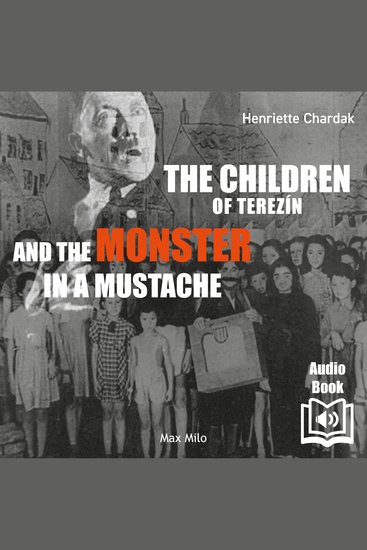
    At Terezín, many children sang for the Nazi officials and the Red Cross. They were used as propaganda tools, between 1943 and 1944, to make the world believe that Hitler had given a "paradise" to the Jews. Only around 100 of the 15,000 innocent people who passed through this transit camp survived.
    Ela Stein Weissberger, deported at the age of 11, is one of the few survivors. In Hans Krása's opera Brundibár (The Bumblebee) performed at the camp, she played the role of the Cat, the rebellious animal who attacks the mustached monster in the hope of winning the war! Her poignant testimony gives voice once again to the courageous, hopeful children who left 4,500 drawings, diaries and poems at Terezín.
    Like an internal road movie, the author offers a parallel narrative—she looks back on her own family history, her search for Ela, her anecdotes from the shooting of a documentary film, and she speaks up for all children targeted by hatred.
    Ver libro
  • AI 2041: Book Summary & Analysis - cover

    AI 2041: Book Summary & Analysis

    Briefly Summaries

    • 0
    • 0
    • 0
    This is a concise summary and analysis of AI 2041, by Kai-Fu Lee and Chen Qiufan.
     
    It is not the original book and is not affiliated with or endorsed by Kai-Fu Lee and Chen Qiufan.
     
    Ideal those seeking a quick and insightful overview.
    
     
    AI 2041 offers a thought-provoking exploration of the future of artificial intelligence and its impact on society. Through a series of engaging stories set in 2041, the book imagines how AI will reshape various aspects of life, from healthcare and education to work and relationships. It combines fiction and non-fiction to present both the promises and challenges of a future where AI plays a central role in shaping human progress and global dynamics.
    Ver libro