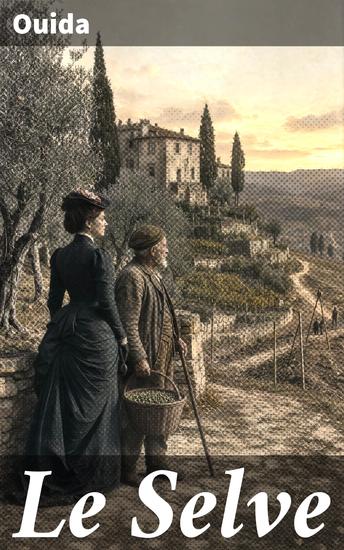
Le Selve
Ouida
Casa editrice: Good Press
Sinossi
In *Le Selve*, Ouida turns from the cosmopolitan spectacle and melodramatic intrigue of her more famous fiction toward a work steeped in rural Italy, moral reflection, and the pressures of modernity upon traditional life. The novel evokes the Tuscan landscape with painterly precision, using the estate of the Selve as both setting and symbol: a world of inherited values, beauty, and obligation threatened by social ambition, materialism, and emotional misjudgment. Its style is characteristically ornate yet controlled, combining lyrical description with sharp ethical observation, and it belongs to the late nineteenth-century tradition of the social novel in which questions of class, property, and spiritual integrity are inseparable. Ouida, born Maria Louise Ramé, was an English novelist whose long residence in Italy profoundly shaped her imagination. Her attachment to Italian scenery, peasant life, and aristocratic decline informs *Le Selve*, as does her recurrent distrust of commercial civilization and fashionable vulgarity. Writing in the aftermath of European social transformation, she brought to fiction a cosmopolitan sensibility fused with an almost elegiac defense of beauty, loyalty, and cultivated feeling. This is a rewarding book for readers interested in fin-de-siècle fiction, women's writing, and literary representations of Italy. *Le Selve* deserves attention not merely as a period piece, but as a serious meditation on culture, stewardship, and the moral cost of progress.
Disponibile da: 29/06/2026.
Lunghezza di stampa: 64 pagine.