




RIPRODURRE CAMPIONE

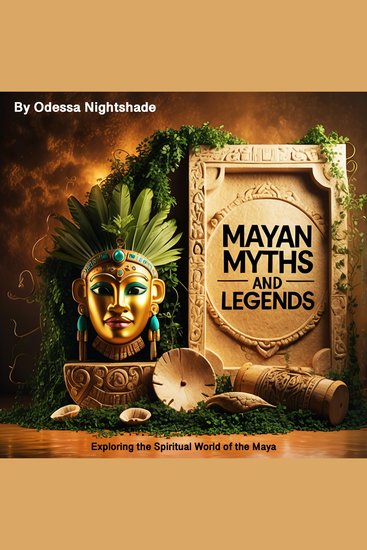
Mayan Myths and Legends - Exploring the Spiritual World of the Maya
Odessa Nightshade
Narratore Selene Virelle
Casa editrice: Aurora Edens LLC
Sinossi
The Maya civilization is one of the most enigmatic and awe-inspiring cultures of the ancient world. Flourishing for thousands of years in the dense jungles of Mesoamerica, the Maya built vast cities, developed a sophisticated writing system, and mapped the heavens with astonishing accuracy. Yet, beyond their architectural and scientific achievements, the Maya were a deeply spiritual people, weaving a rich tapestry of myths, legends, and sacred beliefs that connected them to the cosmos. Their mythology was not mere storytelling—it was a living force, shaping their rituals, governance, and daily existence.
At the heart of Maya spirituality was a complex pantheon of gods and supernatural beings, each governing different aspects of life, death, and the afterlife. Unlike many Western traditions that separate the divine from the earthly realm, the Maya believed that the gods were intimately involved in every facet of existence. Deities such as Itzamná, the creator god, and Chaac, the bringer of rain, were both revered and feared, their influence reflected in ceremonies, offerings, and astronomical observations. The legendary Popol Vuh, often referred to as the “Maya Bible,” preserved many of these sacred stories, including the epic journey of the Hero Twins, Hunahpú and Xbalanqué, who overcame the lords of the underworld, Xibalba, to restore cosmic order.
Maya mythology was deeply intertwined with their concept of time and destiny. Their intricate calendar system, which included the Tzolk’in (a sacred 260-day calendar) and the Long Count, was not merely a tool for marking days but a means of understanding cosmic cycles and divine will. Priests and scribes interpreted these calendars to determine auspicious dates for everything from coronations to warfare. Prophecies and celestial events were seen as messages from the gods, guiding the fate of individuals and entire kingdoms.
Durata: circa 2 ore (02:25:30)
Data di pubblicazione: 16/03/2025; Unabridged; Copyright Year: — Copyright Statment: —




