¡Acompáñanos a viajar por el mundo de los libros!
Añadir este libro a la estantería
Grey
Escribe un nuevo comentario Default profile 50px
Grey
Suscríbete para leer el libro completo o lee las primeras páginas gratis.
All characters reduced
Software Architecture for Web Developers - An introductory guide for developers striving to take the first steps toward software architecture or just looking to grow as professionals - cover

Software Architecture for Web Developers - An introductory guide for developers striving to take the first steps toward software architecture or just looking to grow as professionals

Mihaela Roxana Ghidersa

Editorial: Packt Publishing

  • 0
  • 0
  • 0

Sinopsis

Large-scale web applications require you to write code efficiently following business and architectural considerations. They require web developers to understand the impact of their work on the system and how they can evolve the product.
With this handbook, every developer will find something to take away. This book will help web developers looking to change projects or work on a new project in understanding the context of the application, along with how some design decisions or patterns fit better in their application’s architecture. It acts as a guide, taking you through different levels of professional growth with a focus on best practices, coding guidelines, business considerations, and soft skills that will help you gain the knowledge to craft a career in web development. Finally, you’ll work with examples and ways of applying the discussed concepts in practical situations.
By the end of this book, you’ll have gained valuable insights into what it means to be a web architect, as well as the impact architecture has on a web application.
Disponible desde: 25/10/2022.
Longitud de impresión: 116 páginas.


Otros libros que te pueden interesar

  • Mastitis - Causes Symptoms and Treatment - cover

    Mastitis - Causes Symptoms and...

    Lilly Richardsen

    • 0
    • 0
    • 0
    Mastitis is an inflammation of the breast tissue that often results from an infection. It is a condition that primarily affects women, especially those who are breastfeeding, although it can also occur in non-lactating women and, in rare cases, men. The inflammation associated with mastitis is typically caused by bacteria entering the breast tissue through a cracked or sore nipple, though other factors such as blocked milk ducts, hormonal changes, or injury to the breast can also contribute. Mastitis is not only physically painful but can also cause significant emotional distress, particularly for new mothers who may already be dealing with the challenges of breastfeeding and caring for an infant. 
    The importance of understanding mastitis lies in its ability to impact both the physical and emotional well-being of those affected. When left untreated, mastitis can lead to complications such as breast abscesses, which may require surgical intervention. Additionally, untreated or recurrent mastitis can cause long-term issues with breastfeeding, leading to early weaning or, in some cases, chronic breast pain. Early recognition and appropriate treatment are critical for preventing these complications and ensuring the best possible outcome for the individual. 
    While mastitis is most commonly associated with breastfeeding, it is essential to recognize that the condition can affect women and men in other contexts as well. For non-lactating women, mastitis can sometimes be linked to hormonal changes, particularly during pregnancy or menopause. Men, though rarely affected, can also experience mastitis, often as a result of an infection or other underlying health issue. Understanding the different causes, symptoms, and risk factors of mastitis can help individuals identify the condition early and seek appropriate medical care before it progresses into something more serious.
    Ver libro
  • Saving Ourselves from Big Car - cover

    Saving Ourselves from Big Car

    David Obst

    • 0
    • 0
    • 0
    Cars are killing people and making the planet uninhabitable. Crashes take the lives of more than a million people each year. Air pollution linked to motor vehicles contributes to even more untimely deaths. Highways and unsafe streets have devastated cities, yet traffic congestion still swallows up countless hours. And carbon emissions from transportation are a key driver of climate change, which threatens to make the world unlivable. Why do we still worship at the altar of the car? How can we find alternatives that are healthier for the planet and ourselves? 
      
    This book exposes how "Big Car"—the complex of companies in the automobile, oil, insurance, media, and concrete industries that promote and entrench car dependence—has pursued profit at the expense of the common good. David Obst explores how Big Car gained almost immeasurable influence over our lives, weighing the benefits and the costs of reliance on private automobiles. He details how industry covered up the harms of lead additives, fought against seatbelts, and continues to fund climate-change denialism. Obst considers the future of mobility, surveying how cities are experimenting with forms of transportation that offer alternatives to the dominance of cars. Provocative and comprehensive, Saving Ourselves from Big Car is a wake-up call for us to change how we use cars before it's too late.
    Ver libro
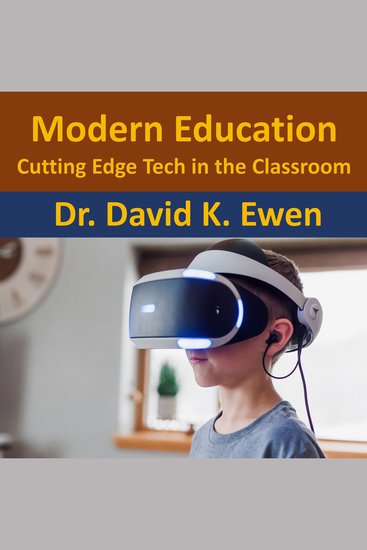
  • Modern Education - cover

    Modern Education

    Dr. David K. Ewen

    • 0
    • 0
    • 0
    Get ready to embark on an adventure that will shatter the conventional boundaries of learning and transport you to a world of immersive experiences that will awaken your curiosity and deepen your understanding. Discover how these immersive learning experiences can revolutionize your educational journey, transforming the way you engage with complex subjects and unlocking your full potential.In this book, we put personalized learning in the spotlight, giving you the power to shape your educational experience according to your unique needs and preferred learning style. With customized instruction and adaptive content, you'll have the tools to explore and master subjects at your own pace, unleashing your true learning capabilities.While the possibilities of immersive learning are thrilling, we understand that challenges may arise during implementation. But don't be discouraged - this book equips you with valuable insights and strategies to overcome any obstacles. By addressing concerns related to accessibility, costs, and potential disorientation, you can confidently navigate the path towards immersive education.We dive deeper into the extraordinary potential of virtual field trips, medical education, language learning, and engineering education. Prepare to be transported to historical landmarks, witness complex medical procedures firsthand, engage in interactive language conversations, and dive into the world of virtual engineering design. Through real-life examples and case studies, you'll witness how these immersive experiences enrich learning, empower exploration, and cultivate vital skills.But the adventure doesn't end there. This book offers a glimpse into the future of VR/AR in education, allowing you to envision the limitless possibilities that lie ahead. As technology evolves, we explore the emerging trends, advancements, and pedagogical approaches that will shape the educational landscape. Join us as we unlock the door to the future, where immersive ex
    Ver libro
  • From 1960 to 2060 The History Of The Internet Bits and Bobs and Beyond - cover

    From 1960 to 2060 The History Of...

    Gustavo Morale

    • 0
    • 0
    • 0
    Embark on an enlightening journey through the digital age with Gustavo Morale's "The History of the Internet, bits and bobs and beyond." Born under the vibrant skies of São Paulo, Brazil, in 1981, Gustavo, affectionately known as Gut, has lived parallel to the rapid evolution of the Internet. This book is his first, blending a deep-rooted fascination with digital technology with personal anecdotes and historical facts, offering readers a unique perspective on the Internet's transformative journey from 1960 to a speculative 2060. 
    Gustavo's narrative weaves through the dawn of connectivity, the digital revolutions of successive decades, and ventures into the future with forecasts on augmented reality, brain-computer interfaces, and beyond. Through 31 meticulously crafted chapters, readers are treated to a comprehensive chronicle that spans a full century, marked by in-depth research, personal insights, and a seamless integration of technological, cultural, and economic narratives. 
    This book targets tech enthusiasts, historians, cultural analysts, futurists, and general readers alike, promising educational insights, inspirational stories, and a glimpse into future technological advancements. Gustavo offers a narrative rich in analytical depth and warmth, bridging the gap between technical intricacies and the personal stories that give the Internet life. "The History of the Internet, bits and bobs and beyond" is an essential read for anyone seeking to understand the forces that have shaped our digital world and those that will continue to define our future. 
    Join Gustavo Morale on this immersive journey through time, exploring the intricate tapestry of the digital age.
    Ver libro
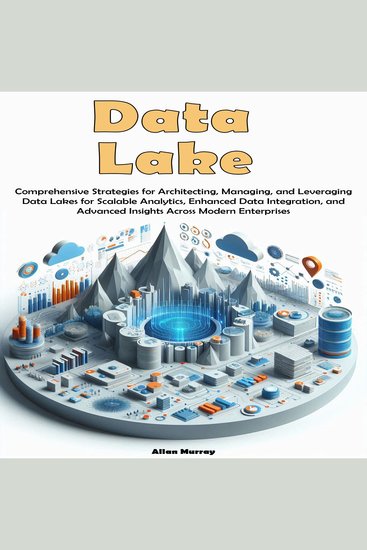
  • Data Lake - Comprehensive Strategies for Architecting Managing and Leveraging Data Lakes for Scalable Analytics Enhanced Data Integration and Advanced Insights Across Modern Enterprises - cover

    Data Lake - Comprehensive...

    Alan Murray

    • 0
    • 0
    • 0
    "Data Lakes: Comprehensive Strategies for Architecting, Managing, and Leveraging Data Lakes for Scalable Analytics, Enhanced Data Integration, and Advanced Insights Across Modern Enterprises" 
    In the age of big data, organizations are increasingly turning to data lakes as a powerful solution for managing and analyzing vast amounts of diverse information. "Mastering Data Lakes" provides an in-depth exploration of this essential technology, offering readers a thorough understanding of how to effectively build, manage, and leverage data lakes to drive business success. 
    This comprehensive guide takes you on a journey through the fundamental concepts of data lakes, contrasting them with traditional data warehouses to reveal their unique advantages. You’ll learn how to design and implement a data lake architecture tailored to your organization’s needs, including strategies for data ingestion, storage, and metadata management. 
    Delve into the intricacies of data quality, governance, and security to ensure that your data lake remains reliable and compliant. Explore advanced topics such as real-time analytics, machine learning integration, and the emerging data lake house paradigm, which blends the best features of data lakes and data warehouses. 
    With practical insights and real-world case studies, this book illustrates how data lakes can be effectively used across various industries, from retail to healthcare. You’ll gain valuable knowledge on overcoming common challenges, optimizing performance, and adopting best practices to maximize the value of your data assets. 
    "Data Lakes" equips you with the tools and expertise to harness the full potential of data lakes, transforming your organization’s data into actionable insights and competitive advantage. 
     
    Ver libro
  • Technology and Social Change - How Digital Innovations Transform Society - cover

    Technology and Social Change -...

    Fred Grandsen

    • 0
    • 0
    • 0
    Technology has always played a fundamental role in shaping human societies, influencing how people communicate, work, and interact with the world around them. Social change, in turn, refers to the transformation of cultural, economic, and political structures over time. The relationship between technology and social change is deeply intertwined, as technological innovations can drive profound shifts in society, while social needs and challenges often inspire new technological developments. 
    Throughout history, technological advancements have acted as catalysts for change, altering the way people live and interact. The agricultural revolution, for example, enabled the transition from nomadic lifestyles to settled civilizations, fostering population growth and social organization. The industrial revolution transformed economies by introducing mechanization, mass production, and urbanization, dramatically reshaping labor markets and social structures. More recently, the digital revolution has revolutionized communication, education, and business through the rise of computers, the internet, and artificial intelligence. 
    One key aspect of understanding technology and social change is recognizing that technological progress is not inherently neutral.
    Ver libro