¡Acompáñanos a viajar por el mundo de los libros!
Añadir este libro a la estantería
Grey
Escribe un nuevo comentario Default profile 50px
Grey
Suscríbete para leer el libro completo o lee las primeras páginas gratis.
All characters reduced
The Woman of Mystery - cover

The Woman of Mystery

Maurice Leblanc

Editorial: Phoemixx Classics Ebooks

  • 0
  • 0
  • 0

Sinopsis

The Woman of Mystery Maurice Leblanc - There was a development among the group. Everyone assembled around the exit. An overall official, joined by two confidants, ventured out into the station-yard, where an engine vehicle stood sitting tight for him. The strains were known about a tactical band; a legion of light infantry walked as it were. Next came a group of sixteen ponies, driven by mounted guns men and hauling a gigantic attack piece which, regardless of the heaviness of its carriage, looked light, in view of the limit length of the firearm. A group of bullocks followed.
Disponible desde: 24/12/2021.

Otros libros que te pueden interesar

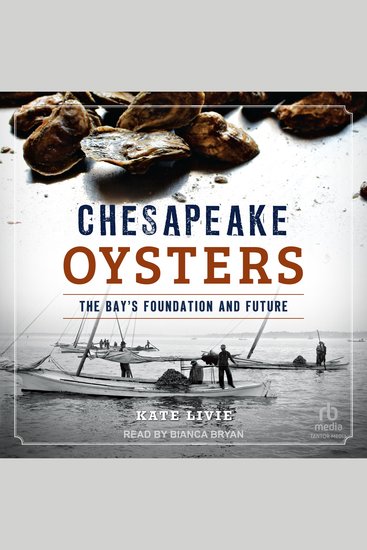
  • Chesapeake Oysters - The Bay's Foundation and Future - cover

    Chesapeake Oysters - The Bay's...

    Kate Livie

    • 0
    • 0
    • 0
    Chesapeake oysters are part of the legacy of the area, history on the half-shell. Hear of their beginning (foot-long bivalves!) through cultivation today. 


    The eastern oyster, the humble bivalve and delicious treat, are the living bones of the Chesapeake, as well as the ecological and historical lifeblood of the region. When colonists first sailed these impossibly abundant shores, they described massive shoals of foot-long oysters but the bottomless appetite of the Gilded Age and great fleets of skipjacks took their toll. Disease, environmental pressures and overconsumption decimated the population by the end of the twentieth century. While Virginia turned to bottom-leasing, passionate debate continues in Maryland among scientists and oystermen whether aquaculture or wild harvesting is the better way forward. Today, boutique oyster farming in the Bay is sustainably meeting the culinary demand of a new generation of connoisseurs. With careful research and interviews with experts, author Kate Livie presents this dynamic story and a glimpse of what the future may hold.
    Ver libro
  • Honesty: The Light of Truth - Living Authentically and Transparently - cover

    Honesty: The Light of Truth -...

    Esther Jameson

    • 0
    • 0
    • 0
    Honesty is often considered a fundamental virtue, a cornerstone upon which trust, respect, and meaningful relationships are built. At its core, honesty means being truthful with oneself and others. It is the practice of aligning our words, actions, and thoughts with the truth, regardless of how uncomfortable or inconvenient it may be. Without honesty, connections with others become shallow, and personal integrity is compromised. In this chapter, we explore the foundational aspects of honesty and its significance in both our personal lives and society. 
    To understand honesty fully, we must first examine what it entails. It is not merely about avoiding lies; it is about living in alignment with the truth, expressing ourselves openly, and being transparent in our actions. Honesty goes beyond just telling the truth when asked—it involves a deep commitment to truth in every aspect of our lives. This means that our words, our actions, and our thoughts should reflect what is genuinely real, without embellishment or deceit. 
    The importance of honesty cannot be overstated. When we are honest, we cultivate trust—both with others and within ourselves. Trust is the bedrock of any healthy relationship, whether personal or professional. Without honesty, trust erodes, leading to misunderstandings, broken relationships, and a sense of disconnection. Moreover, honesty fosters a sense of clarity and peace within ourselves. When we live truthfully, we are no longer burdened by the weight of deceit or the need to maintain false facades. We are free to be ourselves, unencumbered by the fear of being exposed or found out.
    Ver libro
  • Plenty Good Room - Co-creating an Economy of Enough for All - cover

    Plenty Good Room - Co-creating...

    Andrew Wilkes

    • 0
    • 0
    • 0
    Plenty Good Room lays out in clear terms the hope of democratic socialism for a world ravaged by intensifying racial capitalism and social injustice. Unleash your ingenuity for systems that offer plenty good room—not for just a few but for all. 
     
    Economic inequality yawns as wide as ever. Capitalism is working as it was designed: replicating an uneven balance of power, constraining life chances, and limiting imaginations. Those of us concerned about injustice often confine ourselves to issue-by-issue activism. The end result? Owners, investors, and a politics of inequality win. 
     
    But what if there's another way to organize our common life—and what if it's as homegrown as sweet potato pie? What if we could become moral engineers who co-create the world we all deserve? 
     
    Plenty Good Room helps readers understand Black Christian socialism, a stream of the Black radical tradition, from the perspective of a Brooklyn pastor and political scientist's civic awakening. As the former director of the Drum Major Institute, founded by America's most famous democratic socialist, Dr. Martin Luther King Jr., Rev. Andrew Wilkes mounts a challenge to the endless greed, inequality, and profiteering of racial capitalism. 
     
    Tugging on the threads of history and scripture and pointing to the work of Black radicals like W. E. B. Du Bois, Rev. Addie Wyatt, and Fannie Lou Hamer, Wilkes weaves a narrative of "plenty good room moments": times in which communities and individuals had sufficient resources, human rights, and beauty. He invites us to join a movement that a day-laboring Christ initiated as he organized the dispossessed, the disinherited, and those pushed to the edges of society. Wilkes also introduces contemporary efforts pushing for reparations, community ownership, participatory democracy, and solidarity economies. These stories show us that we can create a world of care and reciprocity by envisioning an economy of enough for all—one rooted in justice, equity, and the God whose spirit falls on all flesh.
    Ver libro
  • It's What You Do Next - The Fall and Rise of Nashville's First Female Mayor - cover

    It's What You Do Next - The Fall...

    Megan Barry

    • 0
    • 0
    • 0
    In 2015, after a historic run-off election, Megan Barry became the first female mayor of Nashville, Tennessee. Quickly becoming one of the most popular progressive politicians in the Bible Belt, Barry was a beloved leader with a sky-high approval rating and an unshakable hope for a new, forward-thinking, modern South. For her first few years in office, she was one of the most important voices at the table—until she became the most notorious. 


    Barry loved three things the most in the world—her son, Max, her husband, Bruce, and her job as the mayor of Nashville . . . until she lost two of them. Her monumental lapse in judgment led to a painful public reckoning and the fall of her rising political career. A battle with substance-use disorder robbed her of her only child. Grief, pride, shame, longing, and resentment nearly destroyed her marriage. Barry has to start again, the right way, with humility, hope, and a wicked sense of humor. 


    It's What You Do Next is a deeply honest book about womanhood at home, in politics, and in the spaces between.  Warm, funny, and uncompromisingly honest, Barry speaks to women as their close friend, not their fearless leader, her true self, not always her best self. She gives listeners permission to come as they are and leave knowing that what matters most, is what happens next.
    Ver libro
  • What you say to yourself? - Your self talk is everything - cover

    What you say to yourself? - Your...

    Parshwika Bhandari

    • 0
    • 0
    • 0
    What you say to yourself is way more powerful,than you think off,your self talk is key to your success or key to get everything that you want in your life,note down what you say to yourself and change it if you don't like it, so much more in this book to help you with this
    Ver libro
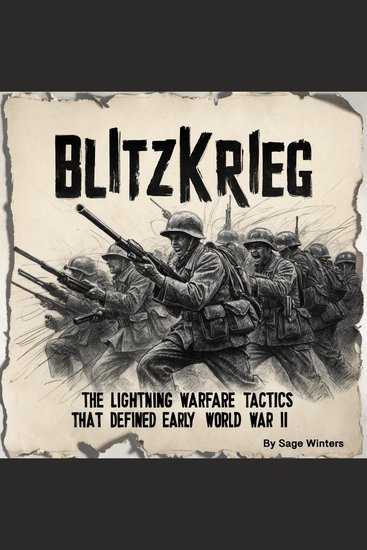
  • Blitzkrieg - The Lightning Warfare Tactics That Defined Early World War II - cover

    Blitzkrieg - The Lightning...

    Sage Winters

    • 0
    • 0
    • 0
    The outbreak of World War II in 1939 heralded the arrival of a new era in military strategy, characterized by speed, surprise, and relentless coordination. At the heart of this revolution was Blitzkrieg, or "lightning warfare," a doctrine developed and executed primarily by Nazi Germany. Blitzkrieg was a military strategy that sought to overcome the static, trench-based warfare that had defined World War I. The tactics were designed to strike quickly and decisively, bypassing traditional defenses and causing maximum disruption. Its goal was not just to win battles but to create a psychological shock, overwhelming the enemy with rapid, coordinated strikes before they could mount a defense. 
      
    Unlike previous strategies that relied heavily on prolonged engagements and entrenched frontlines, Blitzkrieg emphasized speed and flexibility. The term itself was popularized by the media, but it aptly described the essence of the tactics: a rapid, forceful onslaught combining armored vehicles, infantry, and air support in a synchronized fashion. The Wehrmacht, under the leadership of figures like General Heinz Guderian, adapted the lessons of the past and fused them with new technology, creating a military machine that was faster and more mobile than any seen before. 
      
    The strategy was grounded in the belief that modern warfare required more than just brute force; it needed precision, rapid maneuvering, and the element of surprise. The mechanized forces, including tanks (Panzer divisions) and aircraft (Luftwaffe), worked in tandem to create an unstoppable offensive. They would punch through enemy lines with armored columns and then encircle and isolate units, preventing them from retreating or reinforcing. The Luftwaffe, meanwhile, would provide air superiority, neutralizing enemy air forces and bombing key infrastructure.
    Ver libro