Junte-se a nós em uma viagem ao mundo dos livros!
Adicionar este livro à prateleira
Grey
Deixe um novo comentário Default profile 50px
Grey
Assine para ler o livro completo ou leia as primeiras páginas de graça!
All characters reduced
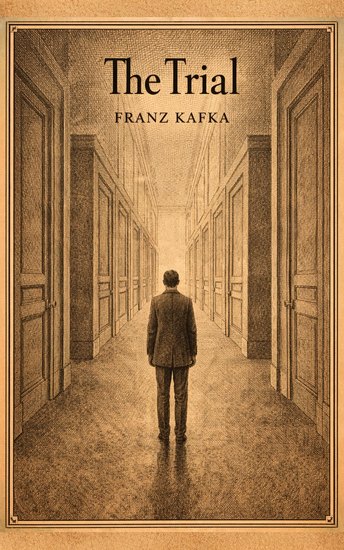
The Trial - cover
LER

The Trial

Franz Kafka

Editora: CLXBX

  • 0
  • 0
  • 0

Sinopse

The Trial by Franz Kafka is a haunting and thought-provoking masterpiece of twentieth-century literature that explores guilt, power, and the unsettling nature of modern bureaucracy. First published posthumously in 1925, this profound and unsettling novel tells the story of a man trapped in a mysterious legal system that operates beyond logic, transparency, or mercy.

The novel opens with a startling event: Josef K., an ordinary bank official, is arrested one morning without being informed of the crime he has allegedly committed. Though he is not taken into custody, he is suddenly entangled in a shadowy judicial process that seems to exist everywhere and nowhere at once. Court officials appear in attics and tenement buildings, hearings take place in suffocating rooms filled with onlookers, and legal procedures unfold according to rules that no one fully understands.

As Josef K. attempts to defend himself, he encounters a series of enigmatic characters—warders, clerks, lawyers, painters, and strangers—each offering vague guidance but no clarity. The deeper he ventures into the system, the more incomprehensible and oppressive it becomes. The court's authority is absolute, yet its structure remains invisible, creating a world governed by anxiety, ambiguity, and silent judgment.

Kafka masterfully captures the psychological strain of living under constant accusation. Josef K.'s growing sense of isolation and helplessness reflects broader themes of alienation in modern society. The novel examines the individual's struggle against faceless institutions, questioning the nature of justice, authority, and personal responsibility. Is Josef K. truly innocent, or does guilt exist independently of wrongdoing? Kafka leaves the answer deliberately unresolved, heightening the novel's existential tension.

Written in a stark yet surreal style, The Trial blends realism with nightmarish absurdity. Everyday settings—boarding houses, offices, and courtrooms—take on a dreamlike quality, emphasizing the fragile boundary between normal life and irrational fear. Kafka's exploration of bureaucracy and power has made the term "Kafkaesque" synonymous with situations that are illogical, oppressive, and disorienting.

More than a legal drama, The Trial is a profound meditation on the human condition. It confronts readers with unsettling questions about freedom, accountability, and the search for meaning in a world governed by hidden forces. With its timeless themes and chilling atmosphere, The Trial remains one of the most influential and enduring works of modern literature.
Disponível desde: 14/02/2026.
Comprimento de impressão: 280 páginas.

Outros livros que poderiam interessá-lo

  • A Dead Body - cover

    A Dead Body

    Anton Chekhov

    • 0
    • 0
    • 0
    "Dead Body" is one of the stories by Anton Chekhov, a classic of world literature. The story is about two men serving and protecting a dead man. This story is based on an incident that happened to the author of the story in Zvenigorod.
    Ver livro
  • The Lesser Key of Solomon - cover

    The Lesser Key of Solomon

    Aleister Crowley, S. L....

    • 0
    • 1
    • 0
    The Lesser Key of Solomon, also known as Lemegeton Clavicula Salomonis or simply Lemegeton, is an anonymously authored grimoire on demonology. It was compiled in the mid-17th century, mostly from materials several centuries older. It is divided into five books: the Ars Goetia, Ars Theurgia-Goetia, Ars Paulina, Ars Almadel, and Ars Notoria. 
    ''Like anything else of this nature its interesting from a historical point to see things the way antiquity did''
    Ver livro
  • Clarissa Harlowe Volume 1 - cover

    Clarissa Harlowe Volume 1

    Samuel Richardson

    • 0
    • 0
    • 0
    In "Clarissa Harlowe," Samuel Richardson unfolds the intricate narrative of Clarissa, a virtuous young woman facing societal constraints. Imprisoned by familial expectations, Clarissa navigates love, betrayal, and societal scrutiny, revealing a poignant portrayal of 18th-century England's moral complexities and gender dynamics.
    Ver livro
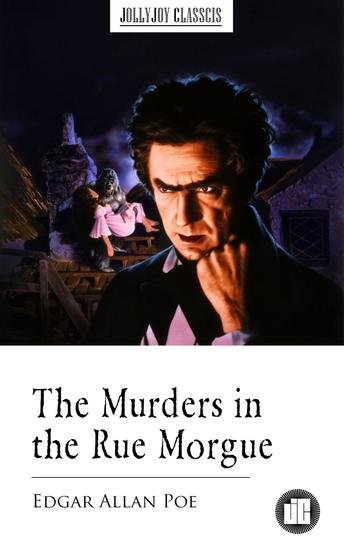
  • The Murders in the Rue Morgue - cover

    The Murders in the Rue Morgue

    Edgar Allan Poe

    • 0
    • 0
    • 0
    "The Murders in the Rue Morgue" is a short story by Edgar Allan Poe published in Graham's Magazine in 1841. It has been described as the first modern detective story; Poe referred to it as one of his "tales of ratiocination". C. Auguste Dupin is a man in Paris who solves the mystery of the brutal murder of two women.
    Ver livro
  • Père Goriot - cover

    Père Goriot

    Honoré de Balzac

    • 0
    • 0
    • 0
    Set against the vivid and unforgiving backdrop of post-Napoleonic Paris, Père Goriot is one of Honoré de Balzac's most powerful and enduring masterpieces. First published in 1835 as part of his monumental series La Comédie Humaine, this novel is a penetrating exploration of ambition, love, sacrifice, and the corrosive influence of social ambition.
    
    The story unfolds in a shabby boarding house run by the calculating Madame Vauquer, where residents from various walks of life coexist in quiet desperation. Among them is the aging and impoverished Père Goriot, a once-successful vermicelli manufacturer who has sacrificed his entire fortune for the happiness and social advancement of his two daughters, Anastasie and Delphine. Blinded by paternal devotion, Goriot fails to see that his daughters, now married into aristocratic families, are ashamed of his humble origins and exploit his unconditional love for their own gain.
    
    Sharing the boarding house is Eugène de Rastignac, a young law student from the provinces who arrives in Paris with dreams of success and refinement. As he navigates the glittering yet ruthless world of Parisian high society, Rastignac becomes increasingly aware of the moral compromises required to rise within it. Guided by the enigmatic and dangerous Vautrin—another resident with a shadowy past—Rastignac faces a crucial choice: uphold his integrity or embrace ambition at any cost.
    
    Through the tragic decline of Père Goriot and the moral awakening of Rastignac, Balzac paints a stark portrait of a society driven by money, status, and power. Paris itself becomes a living character—glittering on the surface yet merciless underneath. The novel exposes the fragile bonds of family, the illusions of social mobility, and the price of unchecked ambition.
    
    At its heart, Père Goriot is a profound meditation on paternal love and societal corruption. Goriot's unwavering devotion stands in painful contrast to his daughters' cold indifference, creating one of literature's most moving portrayals of selfless love betrayed. Meanwhile, Rastignac's journey marks the emergence of a new kind of modern hero—one who must confront the moral ambiguities of a world where success often demands sacrifice of conscience.
    
    Rich in psychological depth and social insight, Père Goriot remains a timeless exploration of human desire and the complexities of the heart. Balzac's keen observations and unforgettable characters ensure that this novel continues to resonate with readers, offering a compelling glimpse into the ambitions, heartbreaks, and moral dilemmas that define both 19th-century Paris and the human condition itself.
    Ver livro
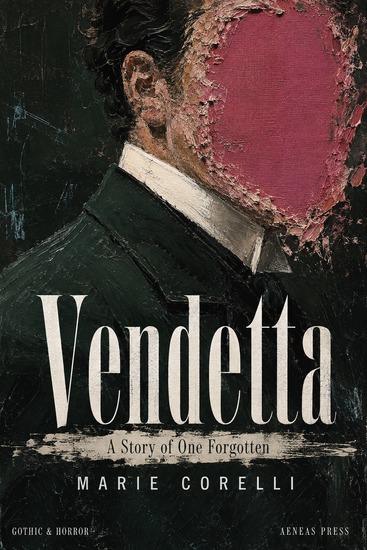
  • Vendetta - A Story of One Forgotten - cover

    Vendetta - A Story of One Forgotten

    Marie Corelli

    • 0
    • 0
    • 0
    A Neapolitan nobleman is buried alive during a cholera epidemic, digs himself out, and returns to find his wife and his friend have not waited. Corelli outsold Doyle, Wells and Kipling combined and was despised by every reviewer in England, which she noted in her prefaces. This edition is bound with a gallery of 59 plates of painting, 1850–1924, among them works by Edvard Munch, Giuseppe De Nittis and Giulio Aristide Sartorio.
    Ver livro