¡Acompáñanos a viajar por el mundo de los libros!
Añadir este libro a la estantería
Grey
Escribe un nuevo comentario Default profile 50px
Grey
Suscríbete para leer el libro completo o lee las primeras páginas gratis.
All characters reduced
Vote Pairing - Strategic Alliances in Electoral Strategy - cover

Vote Pairing - Strategic Alliances in Electoral Strategy

Fouad Sabry

Editorial: One Billion Knowledgeable

  • 0
  • 0
  • 0

Sinopsis

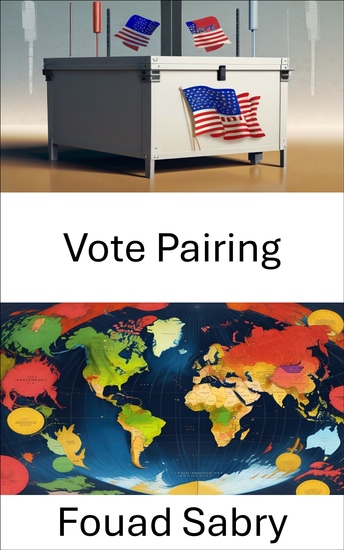
Delve into the strategic world of voting with "Vote Pairing," a key addition to the "Political Science" series. This book examines how voting alliances shape election outcomes, offering insight into the complexities of modern democracies. Ideal for professionals, students, and enthusiasts, it presents crucial strategies for understanding electoral dynamics.
 
Chapters Overviews:
 
1: Vote Pairing - Explore the concept and its global political implications.
 
2: 2000 US Presidential Election - Analyze vote pairing's potential impact on one of the closest elections.
 
3: 2000 US Election Recount in Florida - Investigate the aftermath and its effects on voting alliances.
 
4: Reform Party of the USA - Assess third-party movements’ influence on vote pairing.
 
5: David Cobb - Learn about Cobb's role in promoting strategic voting.
 
6: 2004 Election Timeline - Review key moments where vote pairing may have altered outcomes.
 
7: 2004 Debates - Examine debates’ influence on voter strategies.
 
8: Ralph Nader 2004 Campaign - Evaluate third-party effects on vote pairing in key states.
 
9: 2004 Election - Analyze how vote pairing shaped election results.
 
10: 2004 Election in California - Study vote pairing’s effect on statewide strategies.
 
11: 2004 Election in Texas - Explore the influence of vote pairing on voter turnout.
 
12: 2004 Election in Florida - See how post-2000 strategies evolved.
 
13: 2004 Election in Iowa - Investigate the impact in this critical swing state.
 
14: 2004 Election in Connecticut - Analyze local dynamics and vote pairing effects.
 
15: 2004 Election in New Hampshire - Examine strategic alliances formed through vote pairing.
 
16: 2004 Election in Missouri - Explore how vote pairing affected candidate strategies.
 
17: 2004 Election in Virginia - Assess vote pairing's role in statewide results.
 
18: 2004 Election in Kansas - Examine the influence on voter turnout.
 
19: 2004 Election in West Virginia - Investigate the battleground state’s vote pairing strategies.
 
20: Ralph Nader 2000 Campaign - Compare Nader’s tactics in 2000 and later elections.
 
21: 2016 US Presidential Election - Reflect on how vote pairing has evolved in recent elections.
 
Discover how these strategies have shaped modern democracy, providing insights into the electoral process. "Vote Pairing" is a guide to understanding the intricate alliances that define political landscapes.
Disponible desde: 16/10/2024.
Longitud de impresión: 301 páginas.
Otros libros que te pueden interesar

  • Napoleon's Europe - Empire and Conflict - cover

    Napoleon's Europe - Empire and...

    Nova Ashford

    • 0
    • 0
    • 0
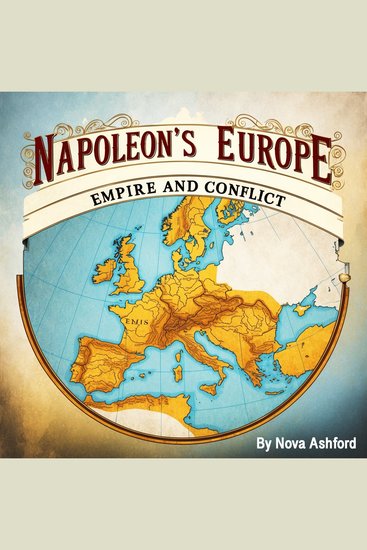
    Napoleon Bonaparte, one of the most influential figures in world history, rose from modest beginnings to become the emperor of France and the master of much of Europe. Born on August 15, 1769, on the island of Corsica, Napoleon came from a relatively modest family. His father, a lawyer, was part of the minor nobility, but the family’s wealth was limited. Despite these humble origins, Napoleon's extraordinary ambition, sharp intellect, and relentless drive would propel him into the center of European politics, shaping the future of the continent. 
    Napoleon’s early life was marked by education at military academies, where his talent for strategy and leadership quickly became apparent. At the age of 16, he was commissioned as a second lieutenant in the French army. His rise through the ranks coincided with the turmoil of the French Revolution, which fundamentally altered France and its political landscape. In 1789, the French Revolution erupted, dismantling the monarchy and challenging traditional structures of power. It was in this chaotic period that Napoleon saw his opportunity. 
    During the Revolution, Napoleon initially made his name through his military prowess, especially during the Italian Campaign in the late 1790s. His innovative tactics and leadership were crucial in securing French victories against Austria and its allies. These victories not only increased Napoleon’s reputation but also solidified his status as one of France’s most brilliant generals. By 1799, France was embroiled in political instability, and the government—the Directory—was weakened by corruption and poor leadership. Amid this instability, Napoleon seized the moment to take control.
    Ver libro
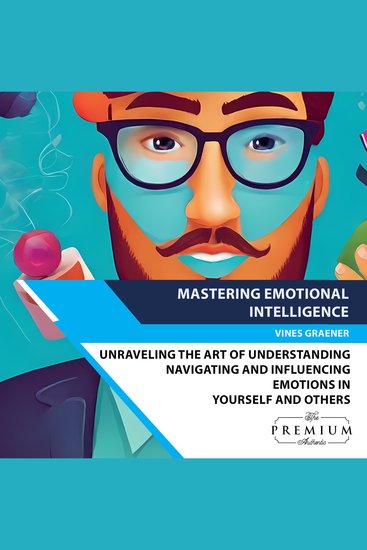
  • Mastering Emotional Intelligence - Unraveling the Art of Understanding Navigating and Influencing Emotions in Yourself and Others - cover

    Mastering Emotional Intelligence...

    Vines Graener

    • 0
    • 0
    • 0
    Since the latter part of the twentieth century, breakthroughs in science, like advancements in brain imaging, have sparked a growing fascination with the intersection of emotions and neurobiology. Researchers have come to acknowledge the close connection between the brain and the immune system, the detrimental impact of chronic stress on the human body, and the significant correlation between emotions and health issues such as heart disease. 
    Before this scientific awakening, there was an undue emphasis on academic intelligence by researchers. This bias ignored the reality that intelligence is not a reliable predictor of success and happiness. Instead, emotional intelligence emerges as a more accurate indicator of life trajectory. It encompasses psychological resilience, the ability to persevere in the face of challenges, impulse control, and social skills like empathy. 
    Contrary to earlier beliefs that emotional intelligence was an inherent trait, recent research has revealed it to be a capacity rather than an absolute characteristic. Nevertheless, the formative stage for emotional intelligence is primarily in early childhood. A baby receiving nurturing care is more likely to develop a positive outlook, while a neglected baby may struggle with challenges later in life. Although tendencies toward optimism or pessimism take root early, they can still evolve later on, influenced by one's social network, as emotions tend to be contagious. 
    It's crucial to recognize that complete control over emotions is not feasible. Emotions are a result of the brain processing external feedback and are not consciously regulated. However, individuals can control how they respond to their emotions. The initial step in effective emotional management is being aware of one's emotions, forming the foundation for emotional intelligence.
    Ver libro
  • Brothers of Olympus The: The History of the Ancient Greek Pantheon’s Most Powerful Gods - cover

    Brothers of Olympus The: The...

    Charles River Editors

    • 0
    • 0
    • 0
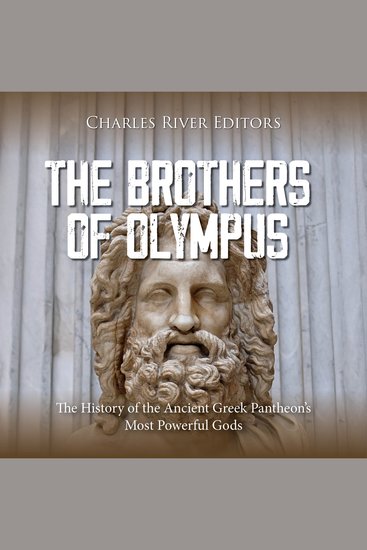
    Zeus is a god of apparent paradox: sublimely regal yet ridiculously fickle, a giver of laws but a slave to his own passions, a being of incredible power who is desperate to possess that which he cannot have. As the leader of the Greek pantheon on Mount Olympus, Zeus was the god of kingship (and the associated elements of law, oaths, the state and the protection of property) and the god of storms, controlling lightning, wind and thunder.  
    	In many ways, one of ancient Greece’s most complex gods is also the most understandable, since he seems so human, and because there is plenty of information about him that survived, including the original legends about his birth, his early deeds and his many relationships with other gods, lovers, and humans. Furthermore, scholars have been able to analyze the historical roots of "Zeus" as a concept, identifying what gods he is related to among other cultures, where the legends of Zeus originated, and what this information says about the ancient Greeks.  
    	One of the reasons Zeus remains one of the most recognizable gods in history is because of the spread of his influence. Due to the conquests of Alexander the Great, Zeus was brought along with other elements of Hellenization to Egypt and the Near East, and a few centuries later, Rome all but adopted him as their own chief god, Jupiter. From there, he was exported around the Roman Empire and fused with numerous other local gods in the process. Ultimately, Zeus was a prominent god from the period of pre-recorded history until the Christianization of Greece, which was complete by the early 7th century A.D. 
    Ver libro
  • Unlocking Language - From Syntax to Semantics: A Comprehensive Exploration - cover

    Unlocking Language - From Syntax...

    Liam Connors

    • 0
    • 0
    • 0
    Embark on a captivating journey into the heart of human communication with "Unlocking Language: From Syntax to Semantics - A Comprehensive Exploration." This groundbreaking book invites you to delve deep into the intricacies of language, unraveling the mysteries of syntax and semantics that form the bedrock of our daily interactions. 
    Discover the rich historical tapestry of language evolution, from its humble origins to its pivotal role in shaping cultures and societies worldwide. Explore the dynamic interplay between syntax and semantics, gaining insights into how the structure of sentences and the meanings of words profoundly influence our thoughts, actions, and perceptions. 
    As you navigate through the pages, witness the synergy between syntax and semantics and how they transcend linguistic boundaries. Develop a keen understanding of the universal principles governing language while appreciating the cultural nuances that make communication a genuinely diverse and vibrant experience. 
    Equip yourself with practical insights into effective communication bolstered by a comprehensive grasp of syntax and semantics. From enhancing language skills to navigating the ever-evolving landscape of artificial intelligence and cross-cultural interactions, "Unlocking Language" empowers you to apply newfound knowledge in both personal and professional realms.
    Ver libro
  • Homegrown - Guidance and Inspiration for Navigating Your Homeschooling Journey - cover

    Homegrown - Guidance and...

    Amber O'Neal Johnston

    • 0
    • 0
    • 0
    Warm and wise, grounded and liberating, Homegrown offers clarity and encouragement to homeschooling parents, asking what it means to build a life where learning and love grow side by side. 
     
    Homeschooling is the fastest-growing form of education in America, and it's here to stay. If you're a homeschool veteran, finishing up your first year, or are just homeschool curious, Homegrown is destined to become a go-to resource. 
     
    This collection of 30 original, thought-provoking pieces from a diverse group of contributors covers common questions such as 
     
    · What fuels families to educate children at home? 
    · How do relationships, culture, and vision affect the decision to homeschool? 
    · What roles do spouses, friends, extended family, and communities play in our ability to homeschool? 
    · How do culture, heritage, history, and legacy seamlessly intertwine with reading, writing, and arithmetic? 
    · Why is raising our kids this way so important, and how do we prioritize it? 
     
    Whether your aim is to nurture your child's passions, support their individual learning style, or connect with a community of like-minded families, this book will be your trusted companion every step of the way. Spanning age, race, ethnicity, political beliefs, geography, religion, family size, educational philosophy, and more, the essays in Homegrown provide parents with guidance and inspiration to kickstart or refine their homeschooling practice with creativity, connection, and confidence. 
     
    Features essays from Ainsley Arment, Sally Clarkson, Greta Eskridge, Julie Bogart, Ginny Yurich, Leslie Martino, Yvette Henry, Sonya Shafer, Leah Boden, Rea Berg, Alberta Stevens, Trisha Vuong, Susan Seay, Delina Pryce McPhaull, Erin Loechner, Richard M. Smith, Jennifer Pepito, Rachel Devenish Ford, Mandy Davis, Jason B. Esters, Elsie Iudicello, Alisha Roth, Torrie Oglesby, Erika Alicea, Brytni McNeil, Nicole Cottrell, Brenaea Fairchild, Julie Ross, Min Hwang, and editor Amber O'Neal Johnston.
    Ver libro
  • Feel Heal & Let That Sh*t Go - Your Guide to Emotional Resilience and Lasting Self-Love - cover

    Feel Heal & Let That Sh*t Go -...

    Rachel Kaplan

    • 0
    • 0
    • 0
    A psychotherapist and hit podcaster brings empathy and humor to her first book, a radical reimagining of the self-help genre that teaches readers how to “process their emotional sh*t,” let it go, and enjoy the life they’re living 
     
    After suffering through her own cycle of tragedy, suppressed emotion, professional study, therapy, and eventual breakthrough, Rachel Kaplan knows from experience that many of us avoid actually feeling our feelings. Instead, we store them in a kind of emotional constipation, chasing distraction, addiction, consumption, and other forms of suppression. The only way to heal from traumatic experiences and difficult feelings, to live healthier and happier lives, is to move the emotions through our bodies—to let that sh*t go. 
     
    Heal, Feel, and Let That Sh*t Go is a revolutionary and irreverent approach to personal transformation and self-care that teaches readers precisely how to (and why they should) feel emotions to move them through the body as nature intended. Kaplan calls this modality “emotional potty training,” and the revolutionary community she’s nurturing, the Feelings Movement. Her approach helps readers heal themselves deep down, eliminate doubt about their own self-worth and value, and importantly, enjoy the journey. 
     
    To accomplish this, Kaplan guides readers to: 
    • reconnect and reintegrate with their younger selves who suppressed emotion because they needed connection and approval from parents in order to survive 
    • access the inner pain resulting from the experience of feeling unlovable and other traumas that were not emotionally processed at the time 
    • engage in self-care practices and step-by-step physical and mental exercises to work through and release these pent-up feelings 
     
    Restoring the ability to process emotion is the only effective means for reducing our backlog of emotional pain, establishing a baseline of well-being and self-trust, and overcoming the debilitating effects of core wounds, chronic stress, depression, and misery. By letting that sh*t go, readers can enjoy the life they’re living and know their worth, no matter what.
    Ver libro